
Which Fourth Generation Fighters Were Weakest in Combat? Comparing the Mirage 2000, JF-17 Block 1, Kowsar and More
Military Watch Magazine Editorial Staff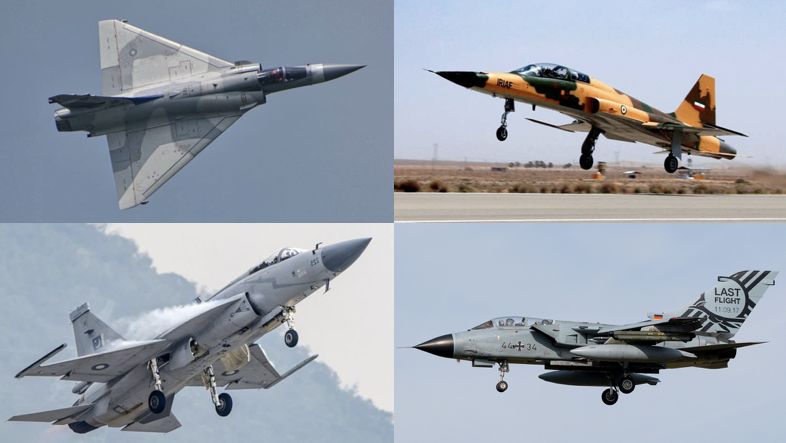
(clockwise from top left) Mirage 2000, Kowsar, Tornado, JF-17 Block 1
Military aviation has advanced considerably since the first fourth generation fighter, the U.S. Navy’s F-14 Tomcat, entered service in 1974, with multiple '5+' and sixth generation programs currently under development and several of them set to make their first flights in the coming decade. While several ‘4+ generation’ fighters such as the French Rafale and Russian Su-30, and ‘4++ generation’ fighters such as the Chinese J-15B and J-10C are either in service or under development, few fourth generation fighters remain in production today - the only major examples being the Sino-Pakistani JF-17 Block 2, the Russian MiG-29 and the South Korean F-50. It is unlikely that many further fourth generation fighters will be developed in future without meeting at least a ‘4+ generation’ standard, although the launching of the Iranian Kowsar fighter in 2018, a very basic fourth generation design, indicates some may still be under development. While many assessments have been made regarding which fourth generation fighter designs are considered the strongest and most successful, an assessment of the weakest and least capable can potentially provide valuable insight into this chapter in military aviation history.
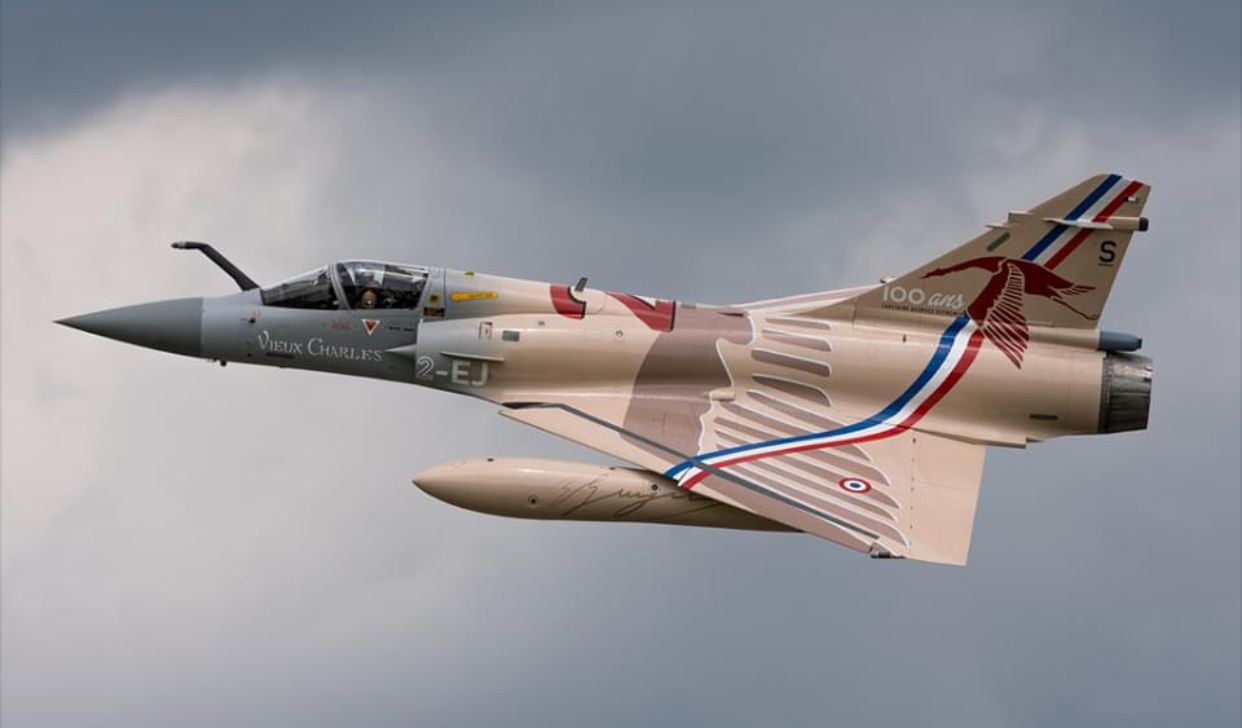
Mirage 2000 - France
The French analogue to the F-16 Fighting Falcon - an American jet considered the gold standard of the fourth generation and the most widely produced aircraft of its time - the Mirage 2000 was designed as a lightweight multirole jet with a similar role. The single engine fighter was exported to Taiwan and a number of clients in the third world, and until the late 2000s formed the mainstay o the French Air Force. The aircraft have suffered from a high crash rate, had limited air to air capabilities to begin with, and have been extremely constrained in their ability to integrate upgrades particularly when compared to the F-16. The fighter is not compatible with advanced beyond visual ranged air to air missiles comparable to the American AIM-120C or Russian R-77, and relies instead on the French MICA with much shorter range and weaker performance.
The Mirage 2000 suffers from a considerably lower manoeuvrability and poorer thrust/weight ratio relative to most other fourth generation jets, including not only twin engine platforms such as the MiG-29 and F-18 but also to single engine platforms such as the F-16 and J-10, with its single SNECMA M53-P2 turbofan being much weaker than its foreign counterparts such as the Chinese WS-10 and American F110 powering other major single engine fourth generation designs. The quality of the French airframes has also left much to be desired, and Taiwan’s Air Force in particular has reported cracks due to poor manufacturing standards and a very high crash rate. In Taiwan it is likely that the French jets will be out served by the third generation F-5E, which was far from expected when Taiwan first invested in the costly fourth generation jets, due to the older platform’s greater reliability and its ability to easily incorporate upgrades including new electronics and air to air missiles.
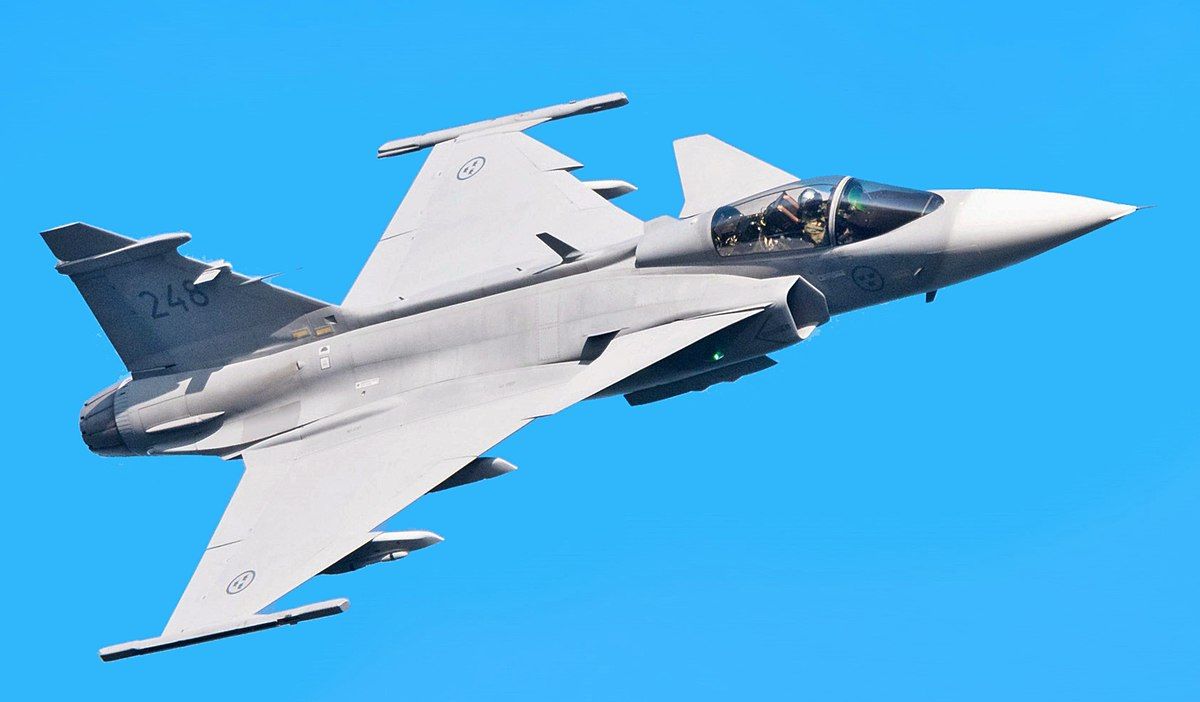
Gripen A - Sweden
The other lightweight single engine European fighter of its generation, the Gripen was less of a fully indigenous design than the Mirage 2000 and benefitted from access to superior American missiles including the AIM-120 AMRAAM. The fighter was lighter and less manoeuvrable than the F-16, and made use of a considerably weaker F404 engine providing half the thrust of the F-18A Hornet - which integrated the same engine in a twin configuration. The fighter lacked an in flight refuelling capability and made use of relatively basic electronics and sensors, with its situational awareness limited by the small size of its PS-05/A pulse doppler radar. The Gripen A was not an ambitious fighter, and was a below average performer across the spectrum. It was prized, however, for its low maintenance requirements, cheap operating costs and its ability to land on roads without the need for specialised runways. The Gripen design would later be improved drastically under the Gripen E program, which included integration of a powerful F414 engine and a new AESA radar, although this was a latecomer to the fourth generation military aviation industry and only began to enter service from 2019.
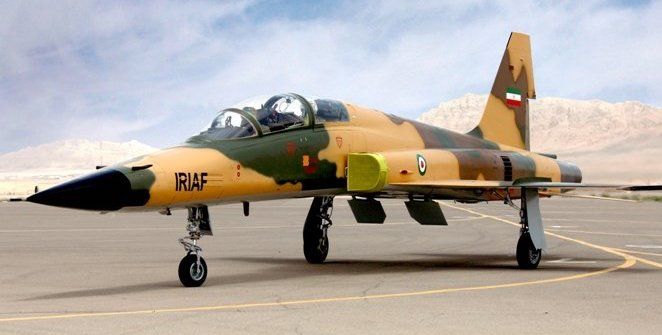
Kowsar - Iran
Entering production in 2018, the Kowsar was a heavily modernised derivative of the F-5E Tiger II third generation lightweight design and incorporated fourth generation technologies. The program was far from the first which attempted to modernise the F-5 design for fourth generation warfare, with the American F-20 and Taiwanese AIDC Tiger 2000/2001 being the most prominent other examples - although neither of these ever entered serial production. Features of the Iranian jet included new avionics, sensors and electronic warfare systems, a heads up display, a full glass cockpit, digital data networks and a smart mapping system. Unlike other fourth generation lightweight designs such as the Gripen and JF-17, the Kowsar did not rely heavily on foreign technologies for its engines, sensors and missiles - and was built entirely in Iran. While the F-5E was a versatile and low maintenance fighter, it was extremely light meaning its endurance, weapons payload and the size of its radar were all very limited - issues inherited by the Kowsar design. Unlike Taiwanese or Singaporean F-5Es, those in Iranian service do not have access to AIM-120 or Sky Sword 2 active radar guided air to air missiles - which is perhaps the most serious restriction on their performance. The capabilities of the fighter's radar, while unknown, are thought to be inferior to those of Thailand's F-5TH - a new variant of the Tiger II which was unveiled over a year after the Kowsar and integrated a powerful AESA radar. Experience developing fully indigenous fighters is nevertheless a valuable asset for Iran, and one which very few countries have, and is expected to be a stepping stone to more ambitious fighter programs in future.
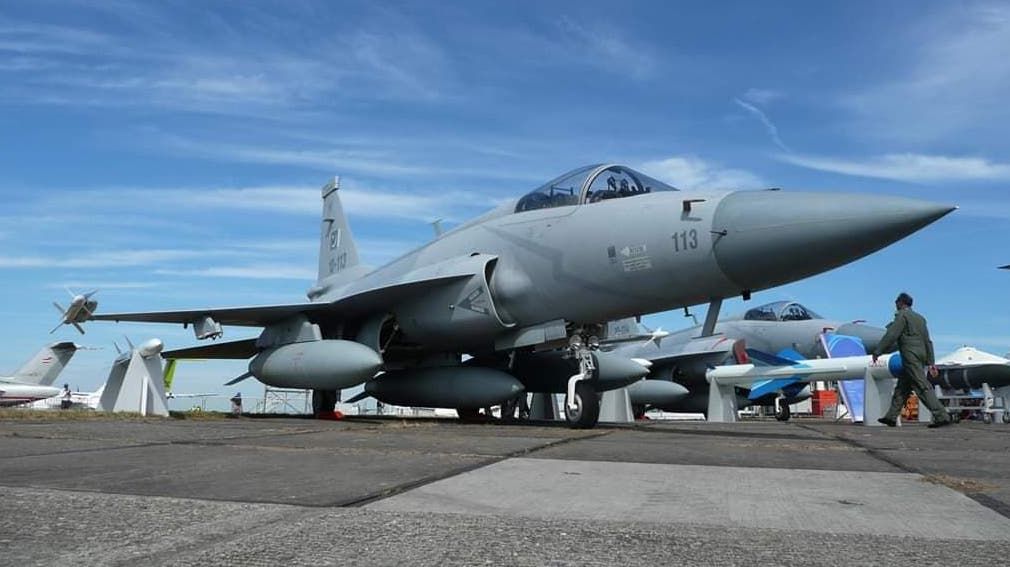
JF-17 Block 1 - China and Pakistan
A design which conceptually in some ways resembled the Gripen, the JF-17 Block 1 was also intended as a lightweight low maintenance fighter with unremarkable flight characteristics built around a single engine from a Cold War twin engine medium fighter - in this case the MiG-29’s RD-33 rather than the F-18’s F404. The fighter’s electronics and sensors were at a very basic early-mid fourth generation level, but the aircraft was not designed to excel - rather to kickstart the JF-17 program which would lead to the development of other more advanced fourth and ‘4+ generation’ variants. Only around 50 Block 1 variants of the JF-17 were manufactured.
Equipped with high end munitions including the C-802 anti ship cruise missile and PL-12 air to air missile, the fighter still represented a very considerable upgrade for the Pakistani Air Force over the vast majority of its fleet - comprised of Mirage III, Mirage 5 and J-7 second and third generation jets. The JF-17 Block 1 is unlikely to see a long service life, with the aircraft being rapidly upgraded to the Block 2 standard and potentially integrating more advanced electronics, AESA radars and more advanced long range missiles in future.
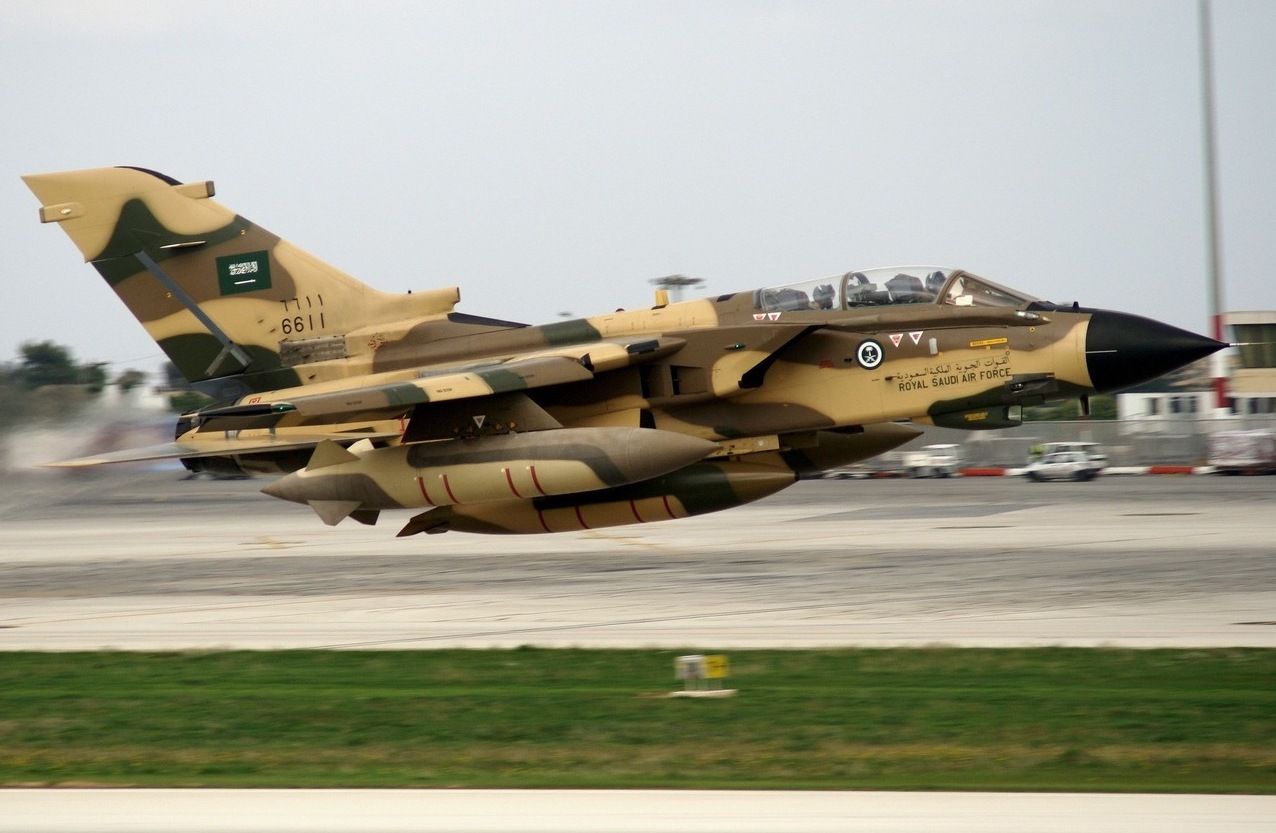
Panavia Tornado - Britan, Germany and Italy
One of the first fourth generation fighters to enter service, the Tornado was one of the few to use a variable swept wing design alongside the F-14 Tomcat and Soviet Su-24M Fencer. Where the Tomcat, as the heavily enhanced F-14D,, was considered the most capable fighter of the Cold War, with an extremely powerful sensor suite and advanced beyond visual range air to air capabilities, and the Su-24M was a formidable dedicated strike fighter, the Tornado was neither of these. The aircraft blurred the line between a fighter and an attack jet, and while it could perform reasonably well in the latter role - deploying bombs and basic standoff munitions from low altitude - its air to air capabilities left much to be desired as did its range.
The Tornado's maintenance requirements were high, but its manoeuvrability and maximum altitude were both very low - with a thrust/weight ratio of 0.77 and service ceiling of around 15km. While some variants could be equipped with AIM-120 air to air missiles, and others carried formidable AIM-9 short ranged missiles, the aircraft’s air to air capabilities were inferior to those of even medium range third generation designs such as the MiG-23MLD and F-4E. The Tornado may have been considered a greater success if classified from the start as an attack jet, in some way similar to the American A-10 and Soviet Su-25, but under the designation of a fighter it was outclassed almost across the spectrum in its capabilities.
