
Vietnam War Era F-5 Tigers Will Outserve Elite French Mirage 2000 Fighters in Taiwan’s Air Force; Why Operating the European Jets Has Become Impractical
Military Watch Magazine Editorial Staff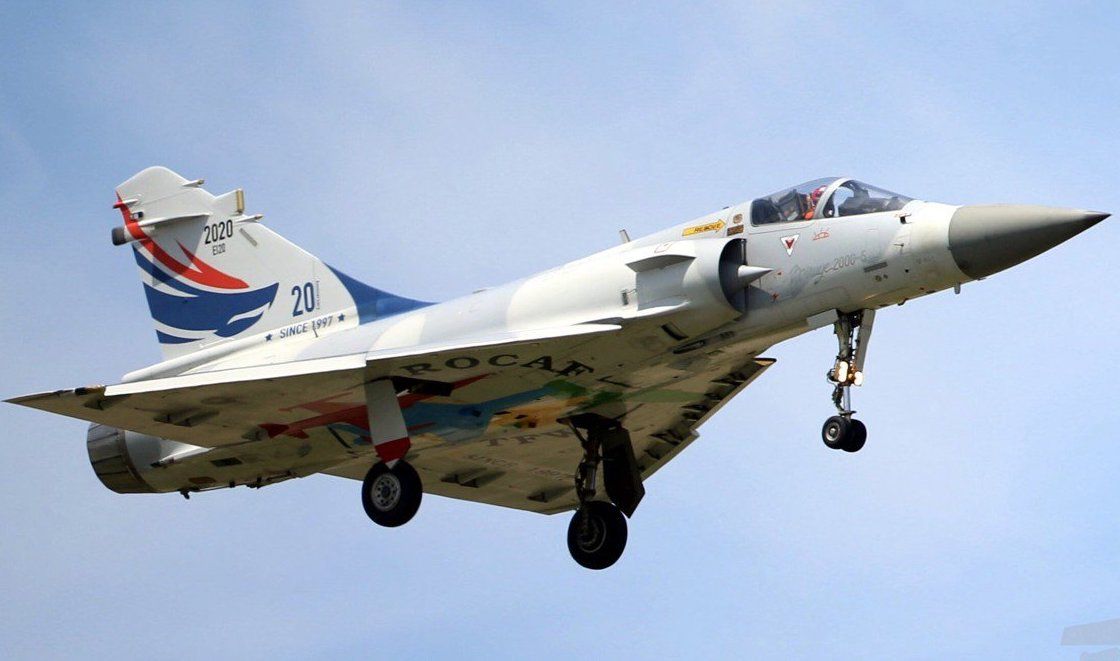
Taiwanese Mirage 2000 Single Engine Fighter
Taiwan’s Air Force (officially the Republic of China Air Force - ROCAF) currently relies on four fighter classes between them compromising six squadrons - totalling approximately 400 aircraft. These include the American F-16A Fighting Falcon and indigenous F-CK Ching Kuo, each of which comprise two squadrons, alongside the French Mirage 2000 and the older F-5E Tiger. According to Taipei’s Republic of China Armed Forces Museum, the Mirage 2000 was long considered the Air Force’s most capable combat aircraft - with a single squadron forming the elite of the country’s aerial warfare capabilities. Taiwan acquired sixty of the French fighters in the 1990s alongside over 140 American F-16s in an attempt to modernise its aerial warfare capabilities. While new the American F-16C was arguably considerably more capable than the Mirage, Taiwan’s acquisition of the older A variant - which first entered service in 1978 - meant that the French aircraft was considerably more sophisticated.
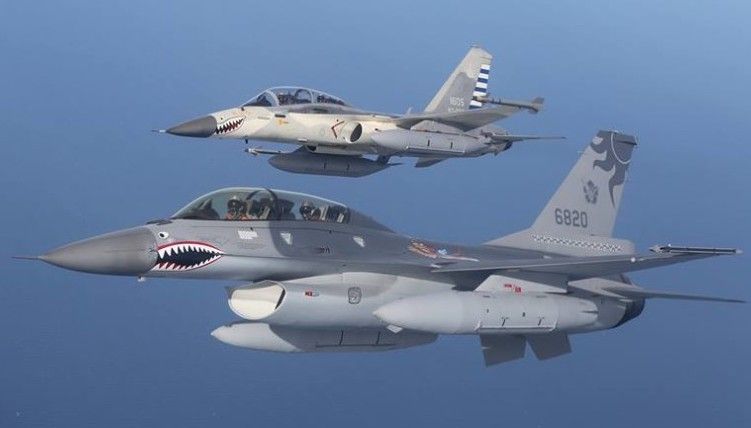
ROCAF F-16A and F-CK Ching Kuo
While the Mirage was previously considered to be Taiwan’s most elite fighter, its usefulness is fast coming to an end and the fighter could likely see an end to its service in the near future - outlived not only by the F-16 and Ching Kuo, but also by the F-5E. The ROCAF currently deploys 55 Mirage 2000 fighters, and the French platforms have not aged well relative to their American and Taiwanese manufactured counterparts. The aircraft have been prone to accidents and malfunctions, suffered from fast rising maintenance costs and have proven far more difficult to modernise than other aircraft deployed by Taiwan. The Mirage 2000’s inability to incorporate upgrades as readily has left the French platform at the lower end of the ROCAF’s fighter fleet, while its inability to deploy the same high end munitions deployed by other Taiwanese jets has seriously impaired its beyond visual range capabilities.
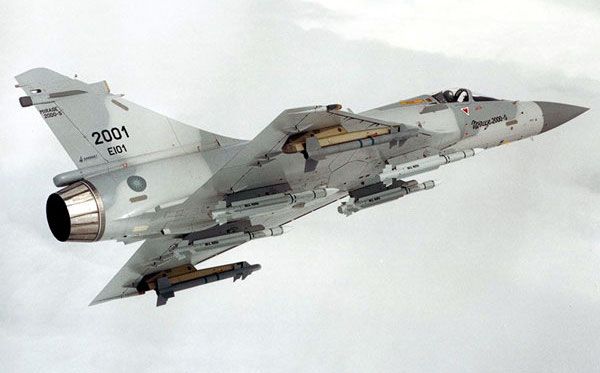
ROCAF Mirage 2000 Single Engine Light Fighter
The Mirage can deploy a single long range air to air munition, the MICA, of which each can carry six. 960 of these missiles were initially purchased to equip Taiwanese Mirage 2000 fighters, with their 80km range at the time representing the longest ranged air to air capability in the ROCAF. With the MICA having entered service in 1996 however, and the Mirage not compatible with more advanced American munitions which have since entered service, the French made jets are increasingly unable to contend with fighters armed with modern long range air to air munitions as the AIM-120C armed F-16 and Sky Sword II armed Ching Kuo can. At Mach 4, the French munition is not only shorter ranged but also considerably slower than its indigenous counterpart - with the Sky Sword able to engage targets at Mach 5 and at ranges of 100km. The fighter further suffers from a considerably lower manoeuvrability and poorer thrust/weight ratio relative to both the F-16 and Ching Kuo, with its SNECMA M53-P2 turbofan is far less capable than its counterpart powering the F-16.
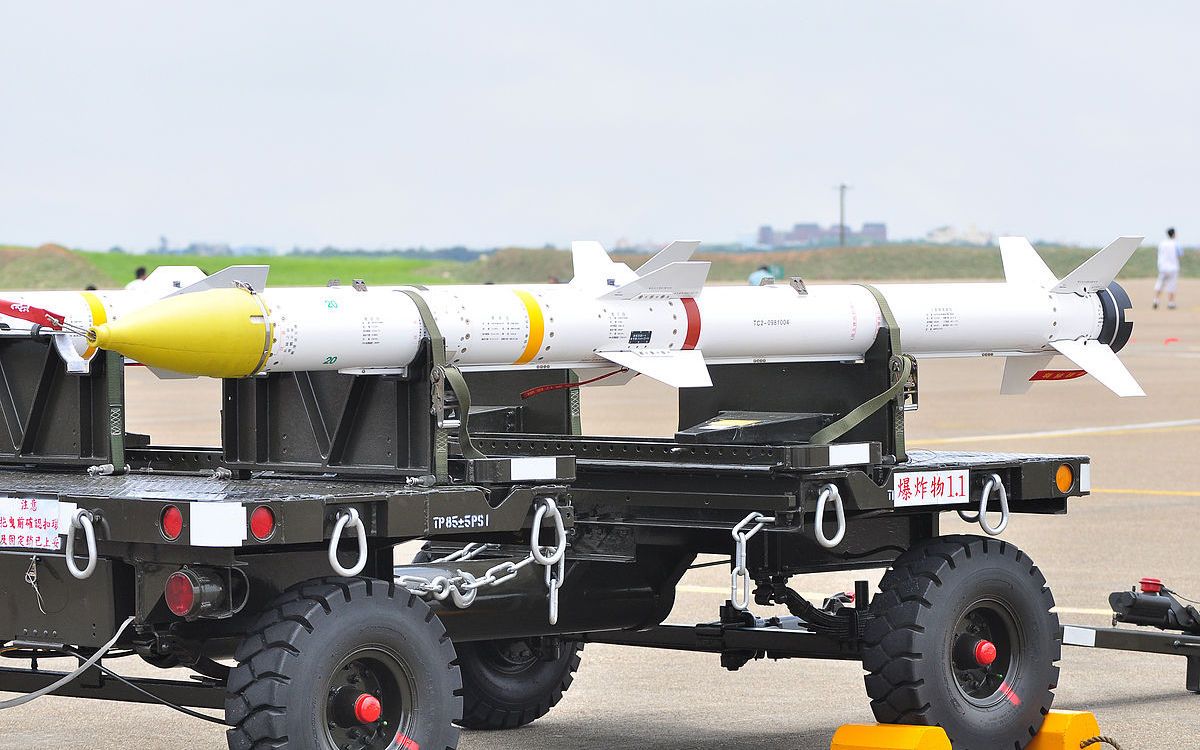
ROCAF Sky Sword II Air to Air Missile
The Mirage 2000’s heavy weight and single engine configuration leaves it at a disadvantage to the more nimble Ching Kuo. The Mirage further suffers from considerable reliability issues, a considerable proportion of the jets ordered having since crashed. These factors have led the ROCAF to consider retiring the Mirage 2000 in the near future in favour of a larger contingent of F-16 Fighting Falcons - namely the F-16V. The new elite variant of the F-16 retains capabilities well above and beyond those of the Mirage, and older F-16A fighters in the Taiwanese inventory are set to be modernised to the F-16V standard leaving the French aircraft far behind in performance. Not only has the Mirage fallen behind the F-16, but even the Vietnam War era F-5E Tiger is set to outlive the European fighter in its usefulness. Despite its age, the F-5 retains a number of advantages over the Mirage for Taiwan’s Air Force. The fighter was manufactured in large numbers in Taiwan itself, and its maintenance need remain low and use domestically manufactured parts. The Tiger's lack of complexity and reliability are key assets which the Mirage lacks, as are their ability to integrate advanced long range air to air munitions such as the AIM-120 and Sky Sword II. While the fighter’s sensors are somewhat lacking relative to the French fighter, when fielded in a supporting role alongside the E-2 Hawkeye Airborne Warning and Control System - which can guide the Tigers’ munitions towards their targets and compensate for their relatively week radars, they remain a potentially highly lethal asset.
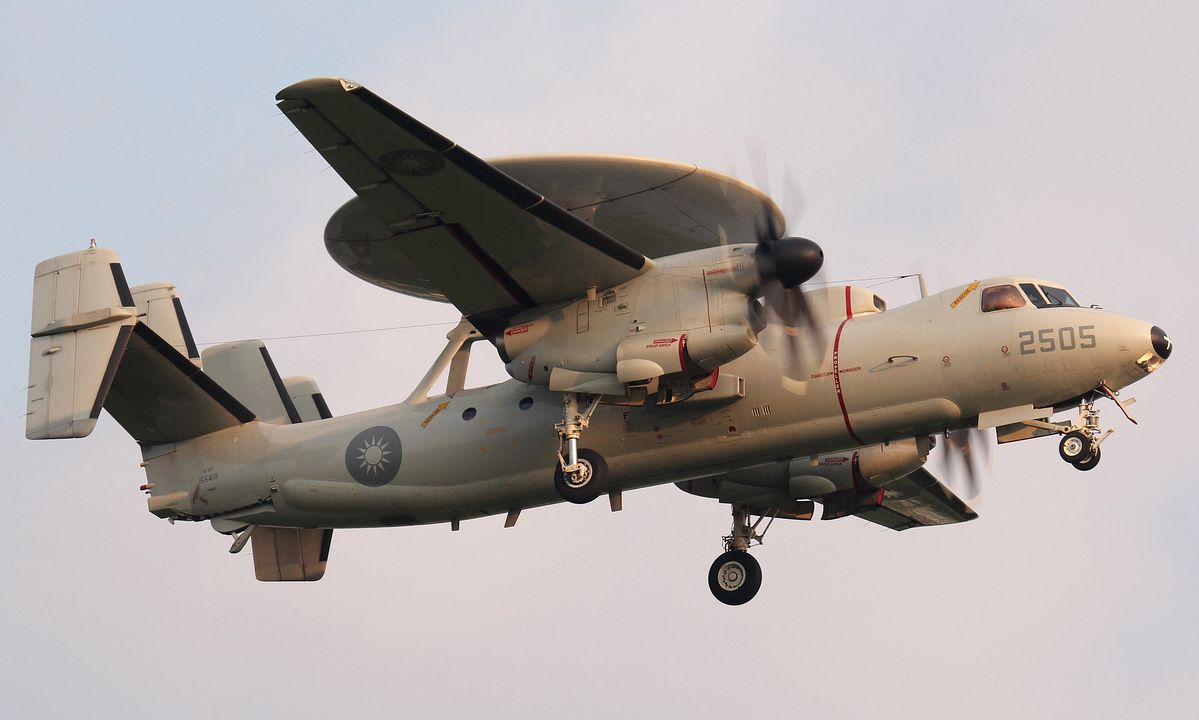
ROCAF E-2 Hawkeye
Ultimately the continued viability of the F-5 and F-16A, where the Mirage 2000 is set to see an early retirement, demonstrate the importance of versatility, reliability and upgradability - all traits for which American combat aircraft are widely prized in which French fighters have often fallen short. With the Mirage 2000 unable to integrate advanced new American air to air munitions such as the AIM-120C, and France having yet to manufacture a comparable platform of its own - and unlikely to do so given its considerably smaller investments in research and development, the fighter will be unable to contend in beyond visual range combat against the Chinese mainland’s own combat aircraft. Chinese jets in the People's Liberation Army Air Force fielding advanced air to air munitions such as the PL-12 and PL-15 will overwhelmingly outmatch the capabilities of the MICA armed Mirage 2000. France’s failure to offer a comparable upgrade program for the Mirage 2000, where the U.S. has since 2015 offered the F-16V which is set to considerably augment capabilities of older F-16 variants, further seriously limits its usefulness.
