
F-16V vs. F-35; Why Taiwan Has Settled for an Enhanced Fighting Falcon Over America’s Latest Stealth Platform
Military Watch Magazine Editorial Staff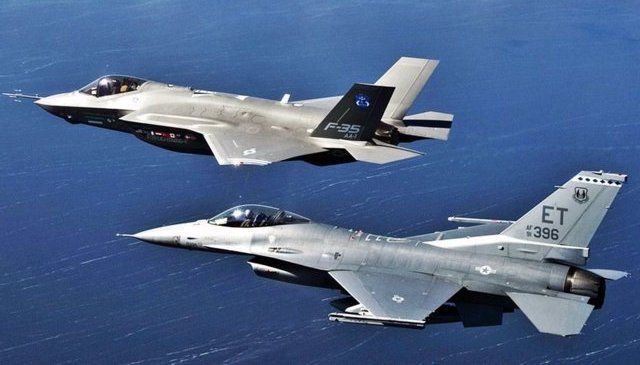
F-16 and F-35
Taiwan’s Air Force has reportedly ceased its efforts to acquire Lockheed Martin’s F-35 fifth generation stealth fighter, and is instead set to expand its fleet of F-16 Fighting Falcons with acquisitions of the new F-16V variant. The F-16 currently forms the backbone of the Taiwanese fighter fleet alongside the indigenous F-CK Ching Kuo - a fourth generation platform derived from the Vietnam War era F-5E Tiger which was itself manufactured in large numbers by Taiwan. Taiwan’s armed forces are currently planning a massive upgrade program for the F-16 fleet, with the F-16A Fighting Falcons acquired in the 1990s increasingly obsolete in the face of elite fighter jets fielded by the Chinese mainland such as the J-16 and J-10C. The Air Force’ plans to upgrade the F-16A fighters to the F-16V standard domestically with U.S. assistance - ensuring they remain at least somewhat viable against a modern adversary and considerably extending their service lives.
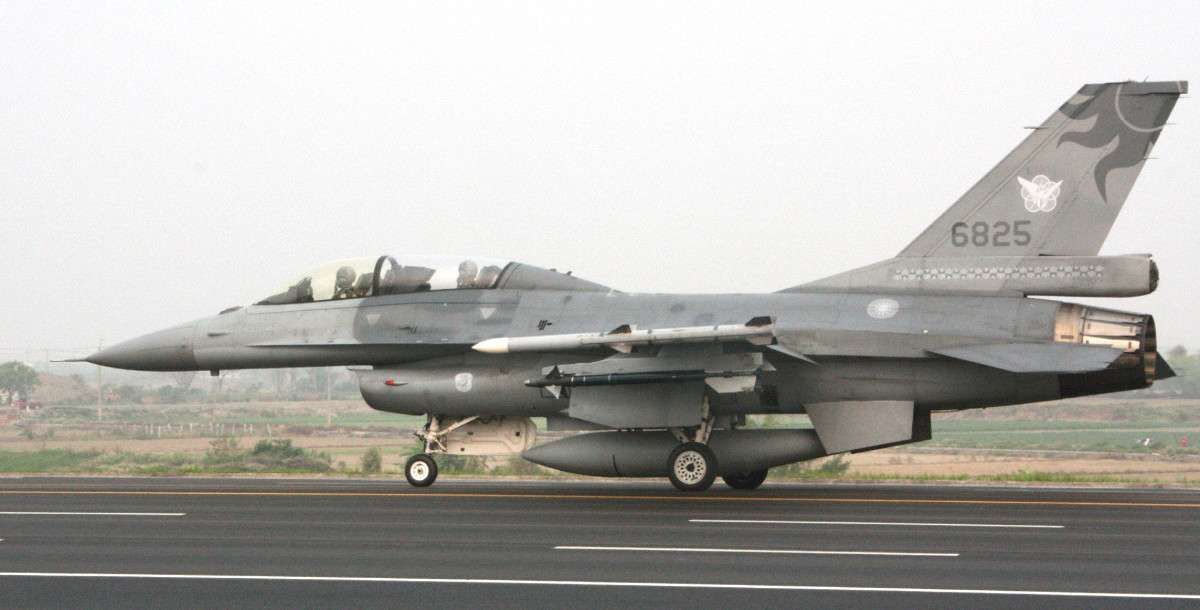
Taiwanese F-16 Fighting Falcon
While Taiwan’s armed forces initially sought to acquire the F-35, a next generation analogue to the F-16 with a similar role, U.S. reluctance to supply the advanced fighters combined with the high operational costs and maintenance requirements and low sortie rates of the highly complex fighters led the military to eventually alter its decision. The F-16V retains electronic warfare systems, an AESA radar and avionics which are in many ways comparable to the F-35, and is capable of deploying the same AIM-120C long range air to air munitions. The older fighter benefit from a larger payload of six air to air missiles, where the F-35 is restricted to four, and are considerably faster, more durable and easier to maintain. The elite F-16 variant saw its first flight in 2015, the year the first F-35A fighters entered service in the U.S. Air Force, and is available either as an upgrade package for older F-16 airframes or as an entirely new off the shelf aircraft. With over 4,000 Fighting Falcons in service across the world, the cost effective upgrade package is expected to be highly popular with a number of operators.
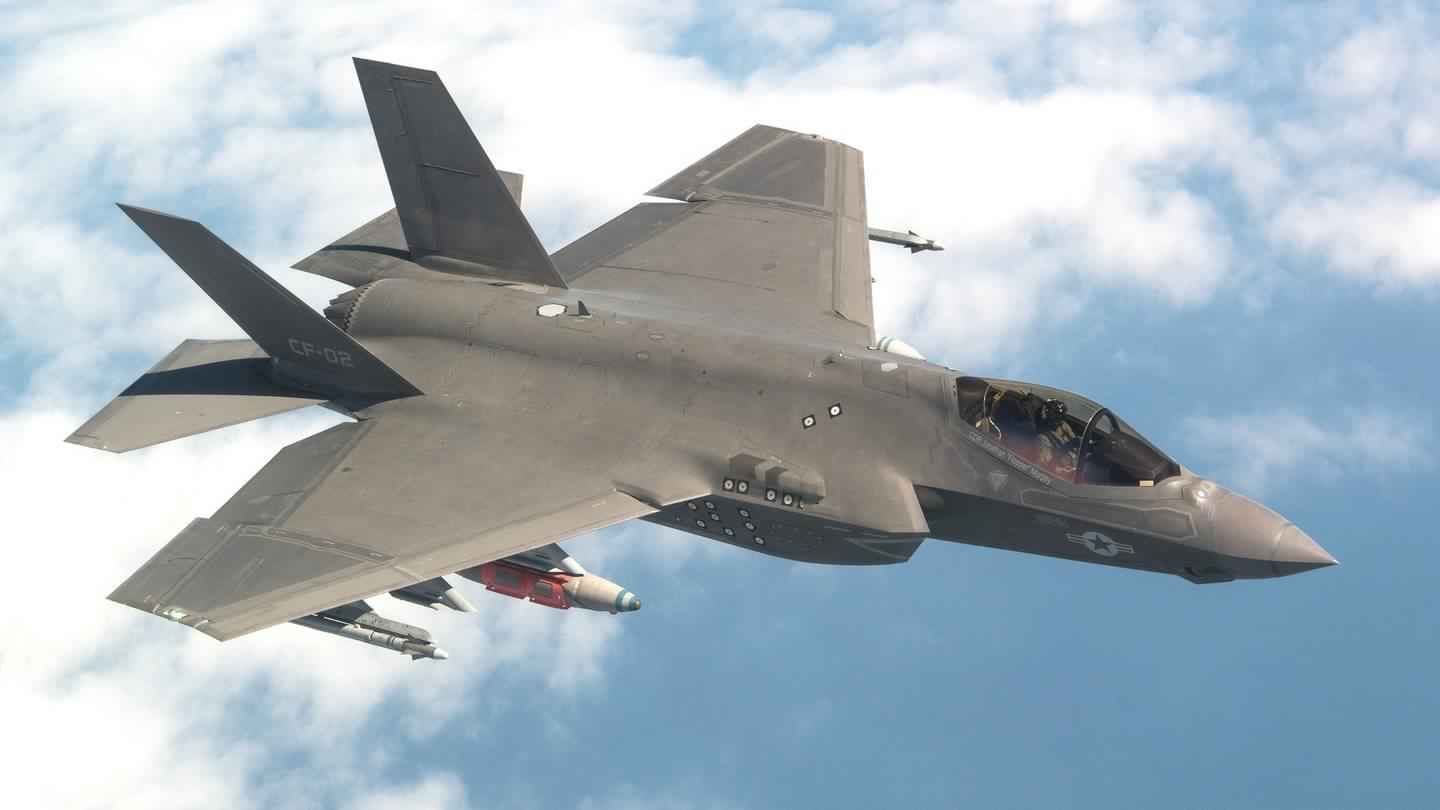
F-35 Stealth Fighter
Despite its sophistication, the F-16V has a number of shortcomings relative to the F-35 - most notably its lack of a radar evading stealth profile which could prove decisive in a clash over the Taiwan Strait. The fighter can be detected and targeted at considerably longer ranges than the F-35, and modern missiles will be able to maintain a lock onto its airframe without difficultly. This has particularly dire implications given the high end and extremely long range anti aircraft munitions deployed by the Chinese mainland’s People’s Liberation Army - which are capable of targeting aircraft from well beyond Taiwanese airspace. Many of these munitions are paired with state of the art sensors, such as those on the S-400 air defence system, and are designed to target high end stealth aircraft. While the F-35 retains some degree of survivability against such systems at long ranges, the F-16V will remain extremely vulnerable. Munitions such as the 48N6DM and 48N6E3 deployed by the S-400 for example will be able to reliably target the F-16 from ranges of up to 250km at hypersonic speeds - providing coverage over much of Taiwanese airspace when deployed from the Chinese mainland itself. Modern Chinese fighters such as the J-10C and J-20 meanwhile can easily detect the F-16 from several hundred kilometres away and engage with long range air to air missiles such as the PL-15, which can target the F-16V well beyond its retaliation range.
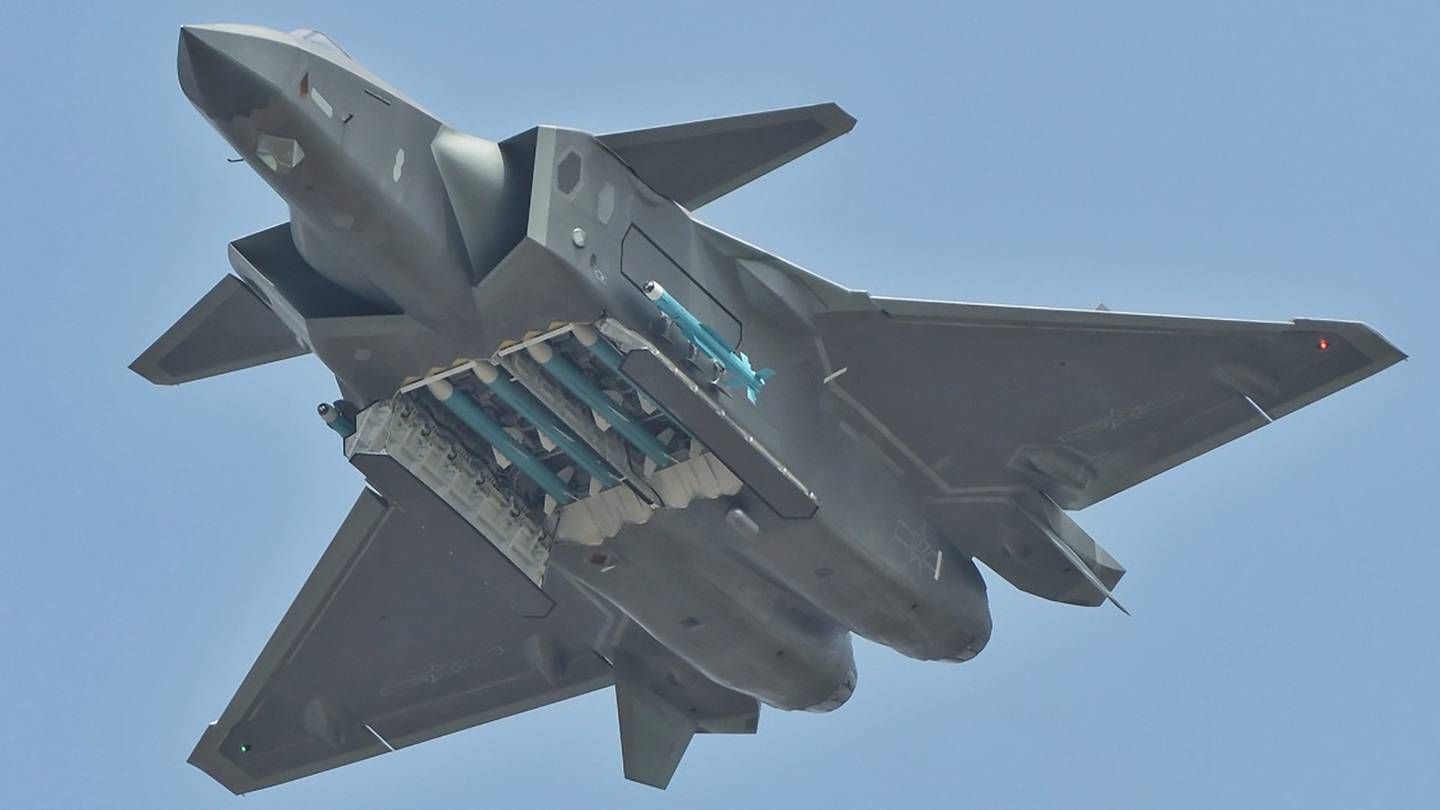
Chinese J-20 Stealth Fighter with PL-15 Air to Air Missiles
While the F-16V represents a considerable upgrade over the original F-16A, it remains considerably outmatched by advanced fighters in the PLA Air Force. Whether Taiwan will move to invest in heavier and more capable fighters in future, possibly the twin engine F-15X recently ordered by the U.S. Air Force which could be a game changer for the balance of power in the Taiwan Strait, remains to be seen - but remains a considerable possibility given the inability of the F-16V to counter modern jets fielded by the PLA.
