
Ten Lethal Next Generation Fighter Jets We Will See Fly in the 2020s: MiG-41, Su-60, F-X, Project AZM Fighter, Tempest and More
Military Watch Magazine Editorial Staff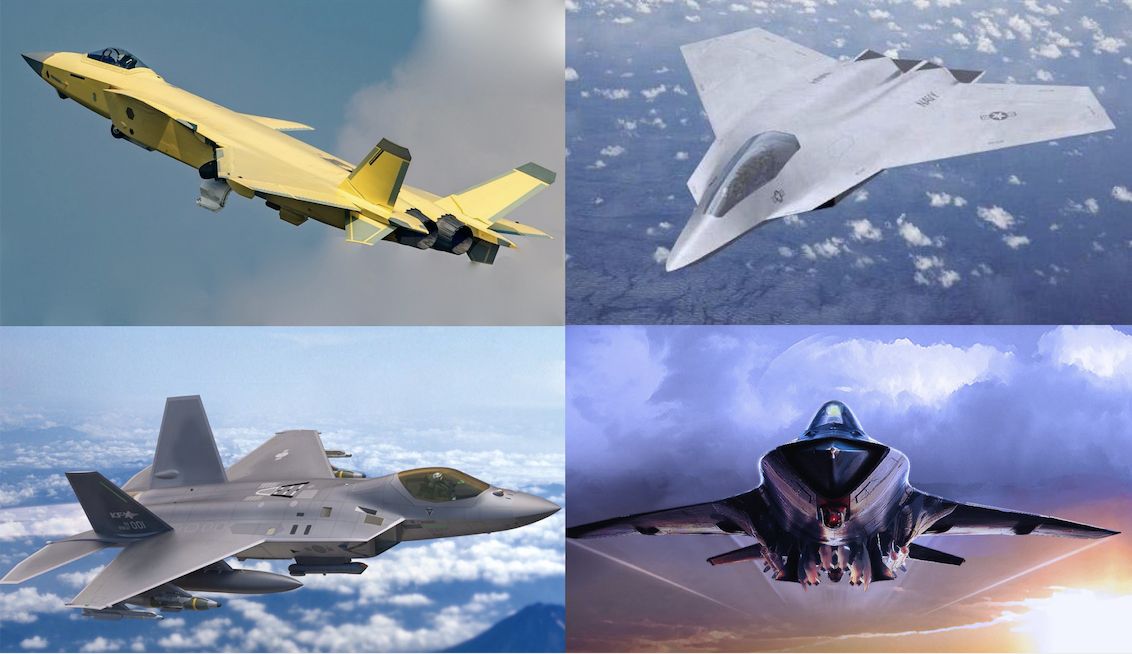
J-20, F-X (Artwork), MiG-41 (Artwork) and KF-X (Artwork) (Clockwise From Top Left)
As the 2010s saw a return to great power competition among major near peer state actors, with the rapid expansion and modernisation of the Chinese People’s Liberation Army in all branches and the restoration of Russian military might under a comprehensive ten year modernisation program, both of these powers as well as the United States and many smaller parties have invested heavily in ambitious next generation fighter programs. This arms race is set to continue into the 2020s, and likely escalate further, with a number of new jets built under new fighter programs scheduled to see their first flights before 2030. A number of the most eagerly anticipated new fighter jets currently under development which are expected to fly in the 2020s are listed below:
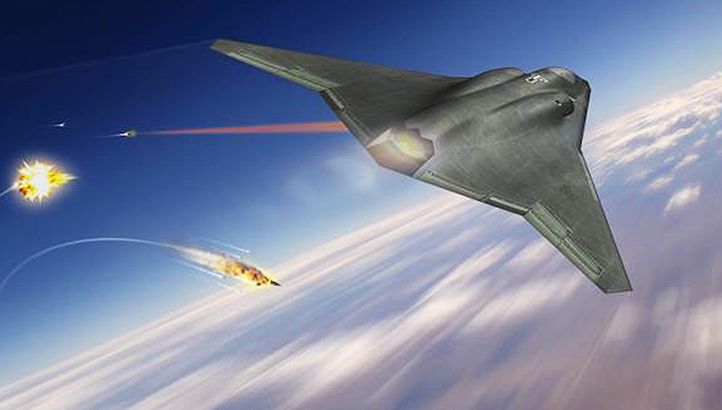
F-X - United States
The United States Air Force’s sixth generation air superiority fighter, and a successor to the F-4E Phantom of the Vietnam War, the F-15C of the late Cold War and the F-22 Raptor of the early 2000s, the F-X fighter is intended to guarantee American control of the skies at a time when new Russian and Chinese designs are increasingly challenging the primacy of the F-22s currently in service. While the F-22 program has suffered from considerable reliability and maintenance issues, and 75% of planned orders were cut due to the Cold War’s end, the F-X is likely to be seen through to completion to a higher standard without the complacency and budgetary issues which stymied its predecessor. Meeting such standards is far more critical now, in the face of near peer competition, then it was when the Raptor was designed in the 1990s. The new fighter will provide a heavier complement to the F-35 single engine stealth jets currently in production, and is intended to go head to head with elite enemy fighters such as the Chengdu J-20 and Sukhoi Su-35 and reliably come out on top. The early termination of F-22 production, and the fighter’s limited room to incorporate upgrades, has made this program particularly essential. The new fighters are set to deploy AIM-260 air to air missiles in place of the F-15 and F-22’s AIM-120, and will benefit from next generation engines, sensors and avionics. Other technologies likely to integrated include laser weapons, thrust vectoring engines, assistance from artificial intelligence and a new and more advanced radar evading stealth profile and stealth coatings.
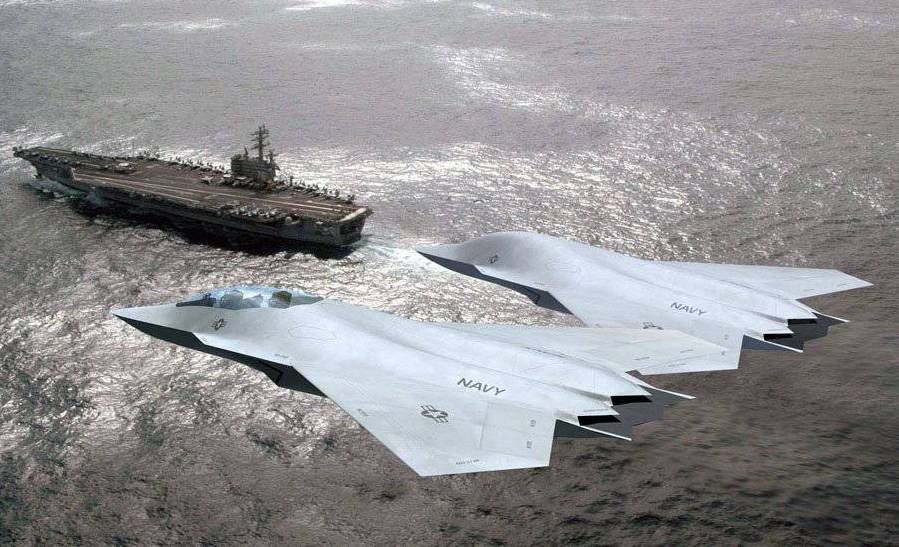
Air Dominance Fighter - United States
The Air Dominance Fighter is being developed for the United States Navy, to provide a long awaited replacement to the F-18E Super Hornets which are currently relied on to contest air superiority and protect American carrier strike groups. The F-18E is a ‘4+ generation’ fighter selected in the 1990s to replace the F-14D Tomcat, and was selected primarily due to its low operational costs which were particularly prized due to the budget cuts which followed the Cold War’s end. The F-14D retained a number of considerable advantages over the Super Hornet, most notably its speed, range and payload, but was considerably more costly to operate and required more maintenance per flight hour. A carrier based variant of the F-22 Raptor, initially slated to replace the F-14, was also considered far too costly both to manufacture and to operate - and was no longer seen as critical with the end of great power competition and Soviet collapse. With China and Russia both fast modernising their own aerial warfare and anti ship capabilities however, the mediocre F-18E is considered increasingly insufficient for the U.S. Navy’s needs. Thus alongside investment in lighter F-35C fighters to replace the F-18C Hornet, the Air Dominance Fighter will field capabilities more than a generation ahead of the Super Hornet and have the endurance and advanced air to air capabilities needed to prevail against future threats. Based on recent reports from the Navy, it remains undecided whether the fighter will deploy from aircraft carriers, or whether it will be a high endurance ground based fighter designed to provide cover for carrier strike groups. The aircraft is expected to integrate many of the same next generation technologies as the F-X.
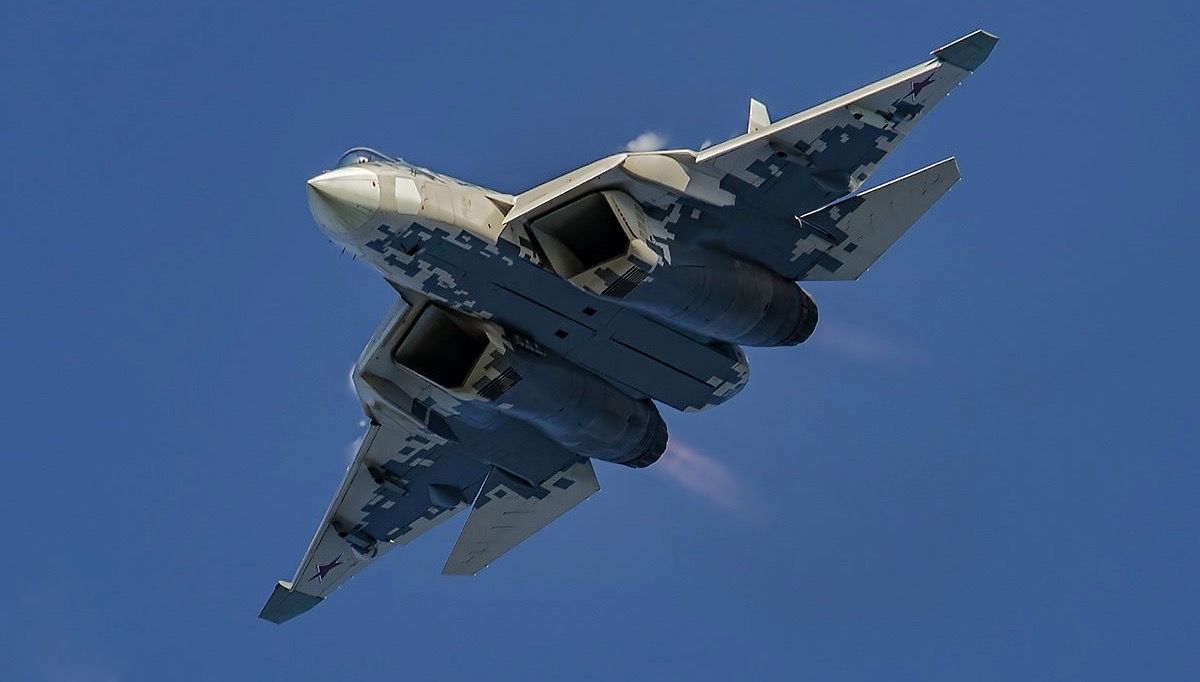
Su-57 Advanced (Su-60?) - Russia
While Russia began mass production of the Su-57 next generation air superiority fighter in July 2019, plans to enhance the fighter from its basic current form appear highly ambitious - exceeding the extent of enhancements made to its predecessor the Su-27 to develop the Su-35 ‘4++ generation’ fighter 29 years later. Technologies currently being developed for the Su-57 airframe include new lighter and stronger composite materials, laser weapons, artificial intelligence, Saturn 30 next generation engines, new classes of hypersonic and APAA guided air to air missiles, and even anti gravity suits to allow pilots to endure more extreme g forces and perform more strenuous manoeuvres. Taking prior Sukhoi fighters such as the Su-17 and Su-27 as examples, enhanced derivatives of the design are likely to be given new designations such as the Su-60 or Su-65, much as improved derivatives of the Su-27 today serve the Russian military as the Su-30, 33, 34 and 35. A possibility also remains that foreign next generation derivatives could be developed for states such as India and China, much was the Su-27 was developed into the Su-30MKI and the J-11B, J-15, J-16. Such derivatives will combine next generation Russian technologies with those from the client nations, although it remains uncertain whether they will be developed - depending the demand of the clients. It is a near certainty, however, that at least one enhanced derivative of the Su-57 will see its first flight and enter service in the 2020s - particularly as production of advanced Su-27 derivatives such as the Su-30SM and Su-35 is wound down and more resources are focused on the next generation program.
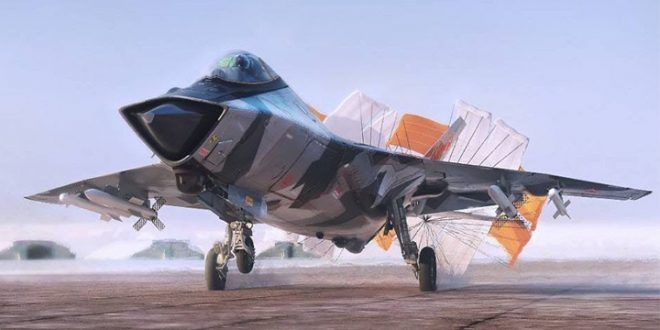
MiG-41 - Russia
In parallel to enhancing the Su-57 to meet sixth generation standards, Russia is also developing a next generation interceptor under the MiG-41 program which is likely to replace the MiG-31 Foxhound in the 2030s and make its first flight in the mid 2020s. The aircraft is expected to be able to fly at hypersonic speeds, meaning exceeding Mach 5, and to operate at extreme altitudes in near space. This prioritisation of speed and altitude closely mirrors the MiG-25 Foxbat of the Cold War era which holds records for both of these among combat aircraft, although the new interceptor will pair these strengths with a powerful sensor suite and access to a range of hypersonic standoff missiles. This will be particularly valuable as the U.S. moves to expand its bomber fleet and introduce next generation B-21 strategic bombers in their hundreds - which the MiG-41’s sensors will be key to countering alongside more advanced ground based air defence systems such as the S-500. The MiG-41 will also seriously improve on the capabilities of its predecessor the MiG-31 as a satellite hunter, and is reportedly being designed to be able to target space planes such as the upcoming American SR-72. It remains uncertain whether it will also be used to deliver air to ground or anti ship munitions - which the MiG-31 has been modified to do under the MiG-31K program.
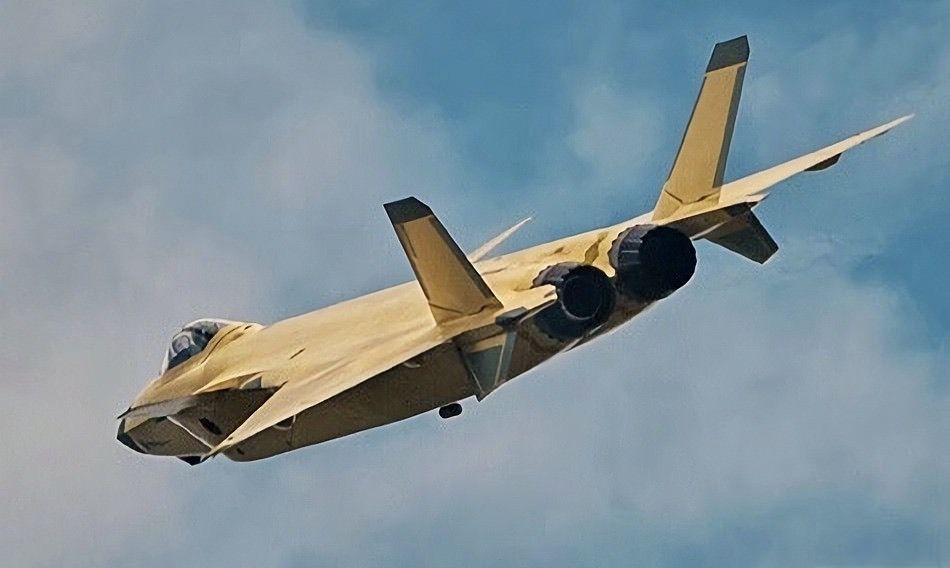
J-20B - China
China’s defence sector has continued to research improvements to the Chengdu J-20 fifth generation air superiority fighter since its induction into frontline service in 2017, most recently incorporating distributed aperture systems for vastly improved situational awareness and replacing Russian sourced AL-31FM1 turbofans with the indigenous WS-10. Future variants of the J-20 are likely to be fielded under a new designation, possibly as the J-20B if taking the J-10 and J-11 as examples, and will be powered by the WS-15 engine. This engine reportedly outperforms its American counterparts such as the F135, and will make the fighter considerably more manoeuvrable and efficient. Other improvements for this ‘5+ generation’ variant of the J-20 include superior stealth coatings, new air to air missiles such as the hypersonic PL-XX and drastically improved sensors, electronic warfare systems and at data links. A twin seat strike variant of the J-20 is reportedly also currently under development.
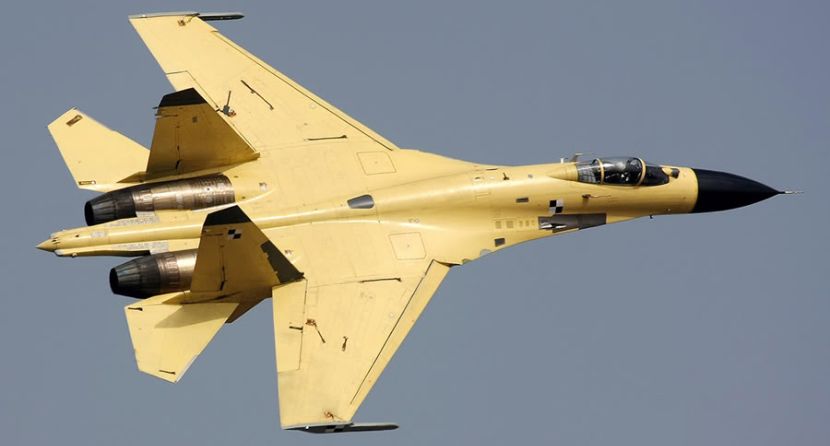
J-11D - China
Possibly the most ambitious fourth generation fighter design ever, the J-11D will provide China with an equivalent to the Russian Su-35 Flanker, but will boast considerably superior capabilities. These include a lighter and more robust high composite airframe, a powerful AESA radar and access to more advanced air to air missiles such as the PL-15 and PL-XX. The fighter’s engines will use similar three dimensional thrust vectoring systems to the Russian Su-35, but will likely be considerably more powerful as Chinese engine technologies continue to advance rapidly. The fighter's radar cross section reducing profile is also expected to be superior to that of the Su-35, and the Chinese jet could make use of radar absorbent coatings much as its other advanced Flanker derivative the J-16 has. While development next generation fighters such as the J-20 remains vital, the J-11D can provide a lighter frontline fighter with much lower operational costs to fill out other Chinese squadrons, and benefits from some advantages over more advanced fighters including lower maintenance requirements and a higher missile carriage. The fighters are, nevertheless, likely to be capable of going head to head with any currently serving combat jets such as the Su-35 and American F-22, enjoying many critical advantages over both of these.
A carrier based variant of the J-11D is also likely to enter service as the J-15B or a similar designation, and will integrate many of the same technologies much as the original J-15 did as a derivative of the J-11B.
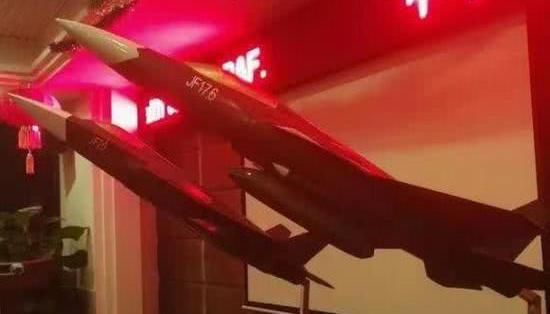
Project AZM Fighter - China and Pakistan
Project AZM will provide the world’s second single engine stealth fighter after the Lockheed Martin F-35, and is expected to be considerably lighter and less costly both to manufacture and to operate. The fighter is currently being jointly developed by China and Pakistan as a successor to the JF-17 Thunder, and is built for export to provide an affordable stealth capability. The aircraft will integrate advanced AESA radars, more sophisticated than those recently integrated onto the ‘4+ generation’ JF-17 Block 3, and will be compatible with next generation munitions including the PL-15 and possibly the upcoming PL-XX. While not providing any unique combat capabilities among fifth generation aircraft, the Project AZM fighter is likely to have the highest sortie rate and the lowest maintenance requirements of any fifth generation fighter, and could potentially be acquired by the Chinese People’s Liberation Army Air Force itself to replace advanced the J-7 variants currently in service. The fighter’s combination of next generation technologies with low maintenance needs and operational costs will be unique.
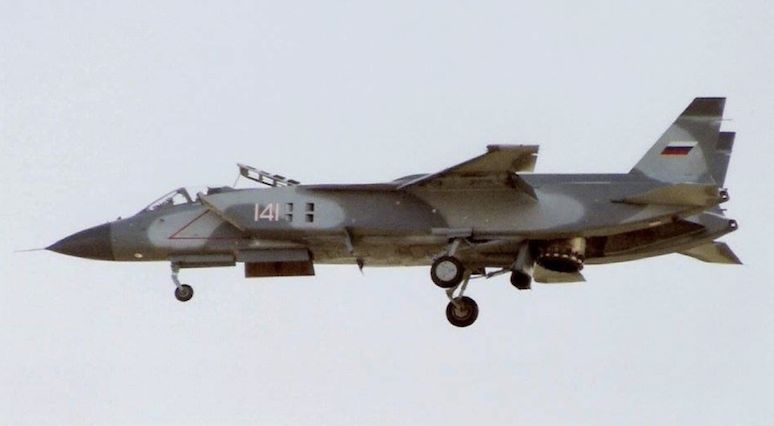
Next Generation Vertical Landing Fighter - China and/or Russia
Russia is currently confirmed to be developing a vertical landing capable fighter jet, likely building on the strong technological base established in the Soviet era with the Yak-141 and Yak-38 programs, and these new fighters are expected to serve in both the Navy and the Air Force. China’s People’s Liberation Army has long been rumoured to be developing a similar fighter, with some unverified repots indicating the jet will be designed for both vertical takeoff and landing much like the Soviet Yak-141 fighter was. With both countries moving to strengthen defence ties, and the strengths of their defence sectors being highly complementary particularly in the field of military aviation, cooperation on at least some aspects of these programs remains likely and could considerably reduce development costs. China for its part is set to deploy these fighters from its new Type 075 Class assault ships, allowing them to function as carriers much as the American F-35B jets do for the U.S. Navy’s Wasp and America Class ships. The fighters will also be highly useful for deployment to ares such as the Spratly atolls, where limited runways are vulnerable to targeting which could deny such aircraft the ability to operate. Russia for its part could potentially deploy these fighters from its own upcoming assault ships, although these will be far lighter than their Chinese and American counterparts. The aircraft are likely to integrate fifth generation technologies including advanced standoff munitions such as the R-37M, radar evading profiles and powerful AESA radars.
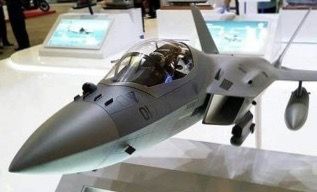
KF-X- South Korea
South Korea is developing a next generation fighter of its own to follow on from the F-50 light fourth generation fighter currently in service. The fighter is being developed under the KF-X program, and like its predecessor it will be prized for its low operation costs and maintenance requirements - a fraction of those of the American F-35A which South Korea’s Air Force is also acquiring. The fighters will integrate a range of next generation munitions, including European Meteor missiles and an indigenous derivative of the European Taurus ‘bunker buster’ cruise missile. The fighter will allow South Korea’s Air Force to phase older third generation fighters such as the F-4E Phantom and F-5E Tiger II out of service, and could potentially also allow the service to phase out a part of its F-16 fleet.
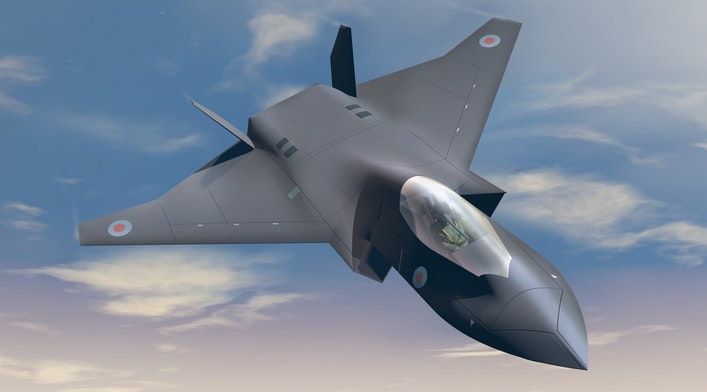
Tempest Fighter - United Kingdom
The first exclusively British fighter developed since the Harrier Jump Jet of the 1960s, the Tempest is a highly ambitious program to develop a sixth generation combat jet - by a nation with little experience in developing fourth or fifth generation fighters except as a partner with European or American producers. The fighter is being developed by BAE systems as a high performance air superiority fighter to replace the Eurofighter Typhoon and possibly part of the F-35B fleet. With a relatively low budget, the program is expected to cost just £2 billion by 2025. It remains uncertain whether Britain will succeed in developing the Tempest, and a merger into a joint program with other European producers such as Sweden, and possibly a merger with the Japanese F-3 program, remains likely. The fighter is expected to be considerably less capable than those developed by more established manufacturers such as the American F-X and Russian MiG-41.
