
Taiwan’s Air Force Announced Plans for Expansion and Modernisation; Slams Faulty French Mirage 2000 Jets in Favour of American F-16
Military Watch Magazine Editorial Staff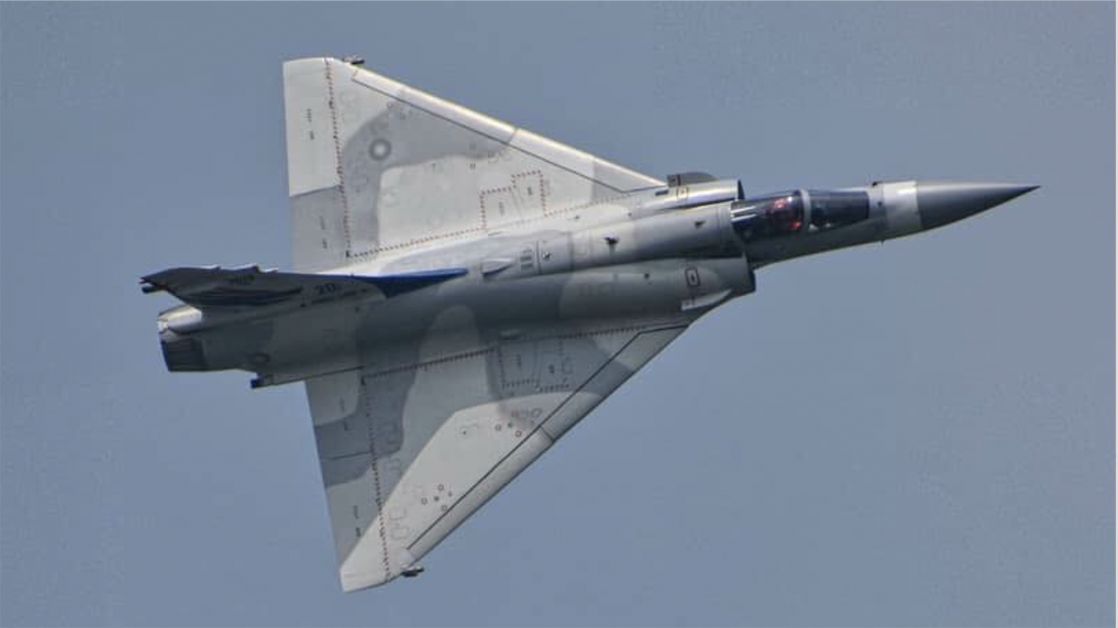
Taiwanese Air Force Mirage 2000
Taiwan’s Air Force has made an official request to the United States for provision of a price quote for the delivery of approximately 70 F-16V ‘4+ generation’ single engine multirole fighter jets. The service currently operates four fighter classes which form six squadrons - two each of the indigenous F-CK Ching Kuo and F-16A Fighting Falcon, and one each of the French built Mirage 2000 and domestically assembled F-5E Tiger II. These aircraft, all of the fourth generation - or in the F-5E’s case of the third generation but extensively upgraded to field many fourth generation capabilities - have found themselves increasingly outmatched by the high end combat jets deployed by People’s Liberation Army Air Force of neighbouring China. These have included high end air superiority fighters such as the Su-30MKK and fifth generation jets such as the J-20, which are decades ahead of those in the Taiwanese fleet in terms of sophistication and in a considerably higher weight range.
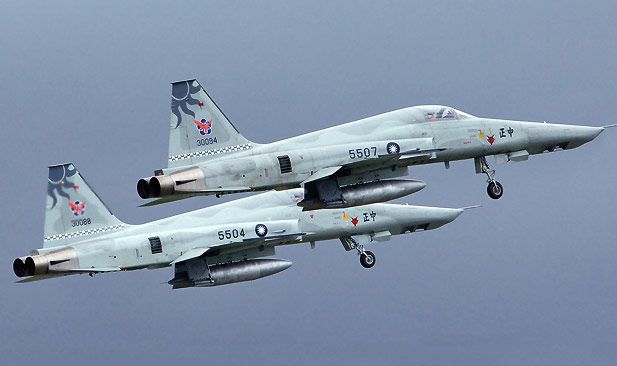
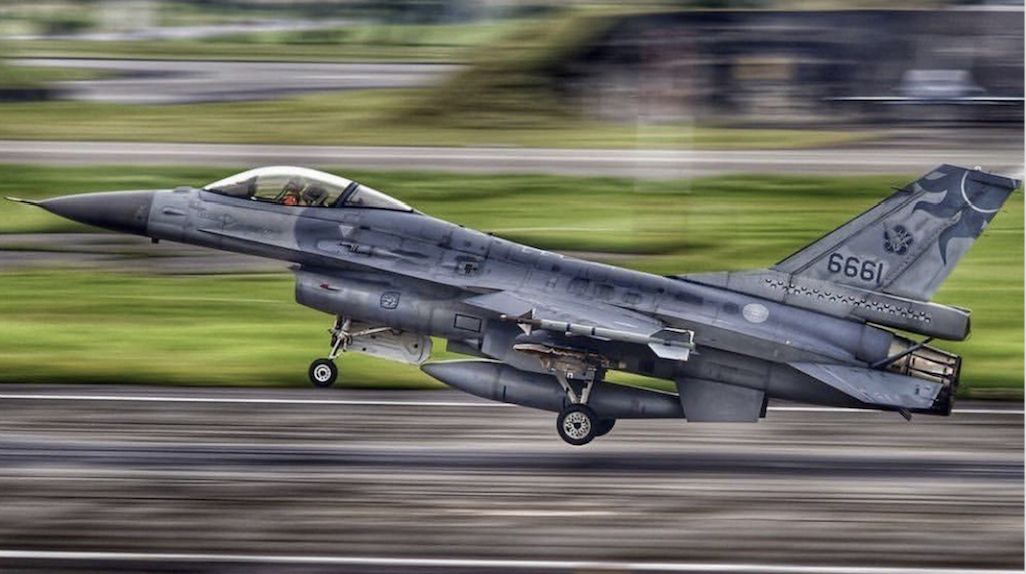
In a recent statement Taiwan’s Air Force has elaborated on its intentions for acquiring new F-16V fighters, a platform first unveiled in 2015 integrating many fifth generation systems derived from those of the F-35A. The aircraft are considerably more sophisticated than the F-16A Taiwan currently operates, which dates back over 41 years to 1978. The new F-16 variants deploy modern AESA radars and electronic warfare systems, and could potentially in future be equipped with AIM-120D air to air missiles to enhance their anti aircraft capabilities. In the same statement, the Air Force noted that the F-16V was not intended to replace the French built Mirage 2000 jets, as had previously been anticipated, but rather were intended as part of a fleet expansion plan. While Taiwan’s Air Force previously referred to the Mirage 2000 as its most capable fighter jet, acquired in the 1990s decades after the F-5E, the fighters’ performance and safety records have left much to be desired in recent years. The crash rate has been exceptionally high, and there are frequent reports of the airframes crumbling due to the weather conditions - demonstrating a considerably lower endurance than their indigenous or U.S. manufactured counterparts.
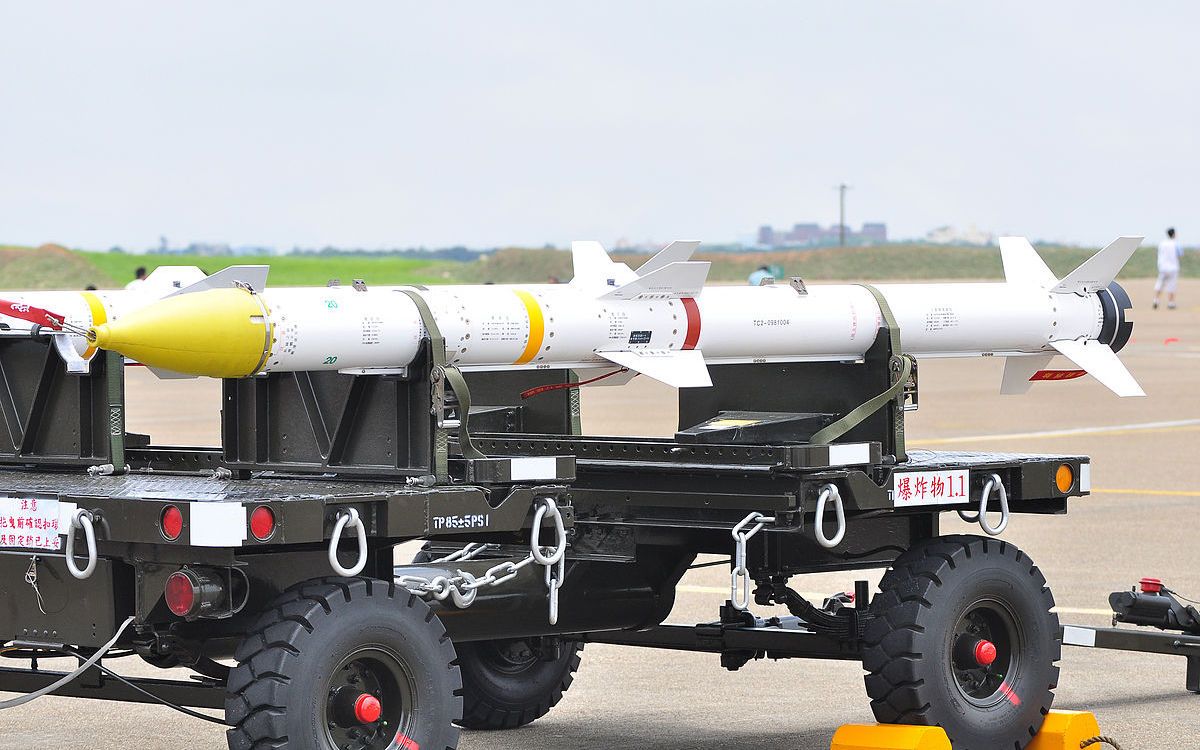
According the Air Force, the purchase of the F-16V does signal a potential willingness to retire the Mirage in the near future, potentially facilitated by further F-16 orders. France was cited as having provided poor service to upgrade the platform, and Dassault has failed to take responsibility for the highly questionable quality of its costly aircraft. The somewhat obtuse Mirage design has proven far more difficult to modernise than other platforms deployed by Taiwan, and its inability to incorporate upgrades as readily has left the French platform at the lower end of the fighter fleet - in many ways less capable than the F-5E which has proven highly reliable and simple both to modernise and to operate. The Mirage can deploy a single long range air to air munition, the MICA, of which each can carry six. French made jets are increasingly unable to contend with fighters armed with modern long range air to air munitions as the AIM-120C armed F-16 and Sky Sword II armed Ching Kuo can, with the Mach 4 French munition considerably shorter ranged and slower than the Sky Sword which is an indigenous Taiwanese missile. Alongside improvements to its maintenance, the ability of the Mirage to incorporate modifications which will allow it to operate non-French munitions such as the superior Sky Sword II are likely to prove decisive in determining how long it can remain in service.
Following Taiwan’s failure to acquire the F-35B, a fifth generation fighter ideally suited to protecting its outlying islets due to its short takeofff capabilities, the F-16V has emerged as the platform likely to form the backbone of its Air Force’s fighter fleet. Older F-16A platforms are also being upgraded to the F-16V standard domestically with U.S. assistance - though at considerable cost. While the fighter lacks even basic stealth capabilities, and is considerably lighter, lower flying, less manoeuvrable and less heavily armed than the jets in the Chinese fleet, it does represent a considerable upgrade over older platforms in the service’s inventory.
