
Stealthy J-20 Replaces ‘4+ Generation’ Su-30MKK Fighters in Chinese Frontline Units
Military Watch Magazine Editorial Staff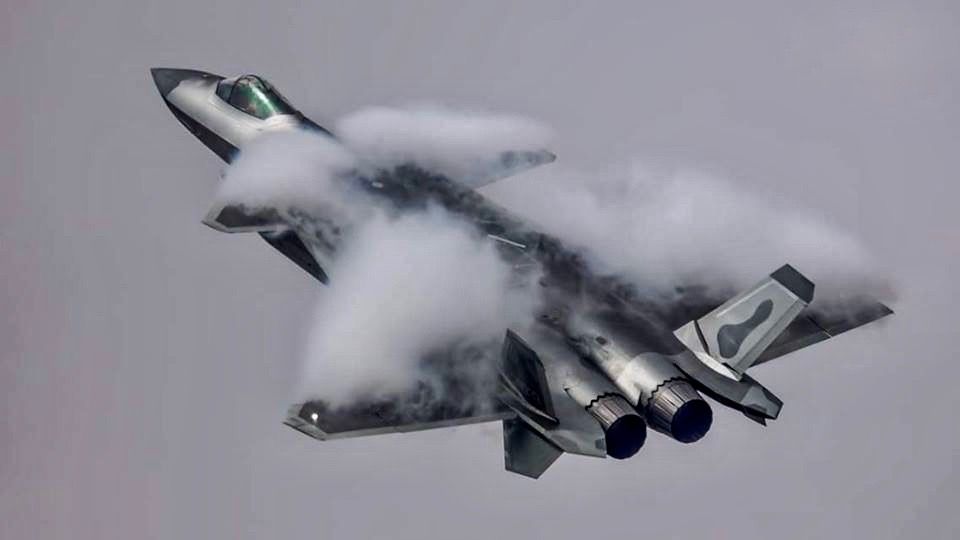
Chengdu J-20 Fifth Generation Air Superiority Fighter
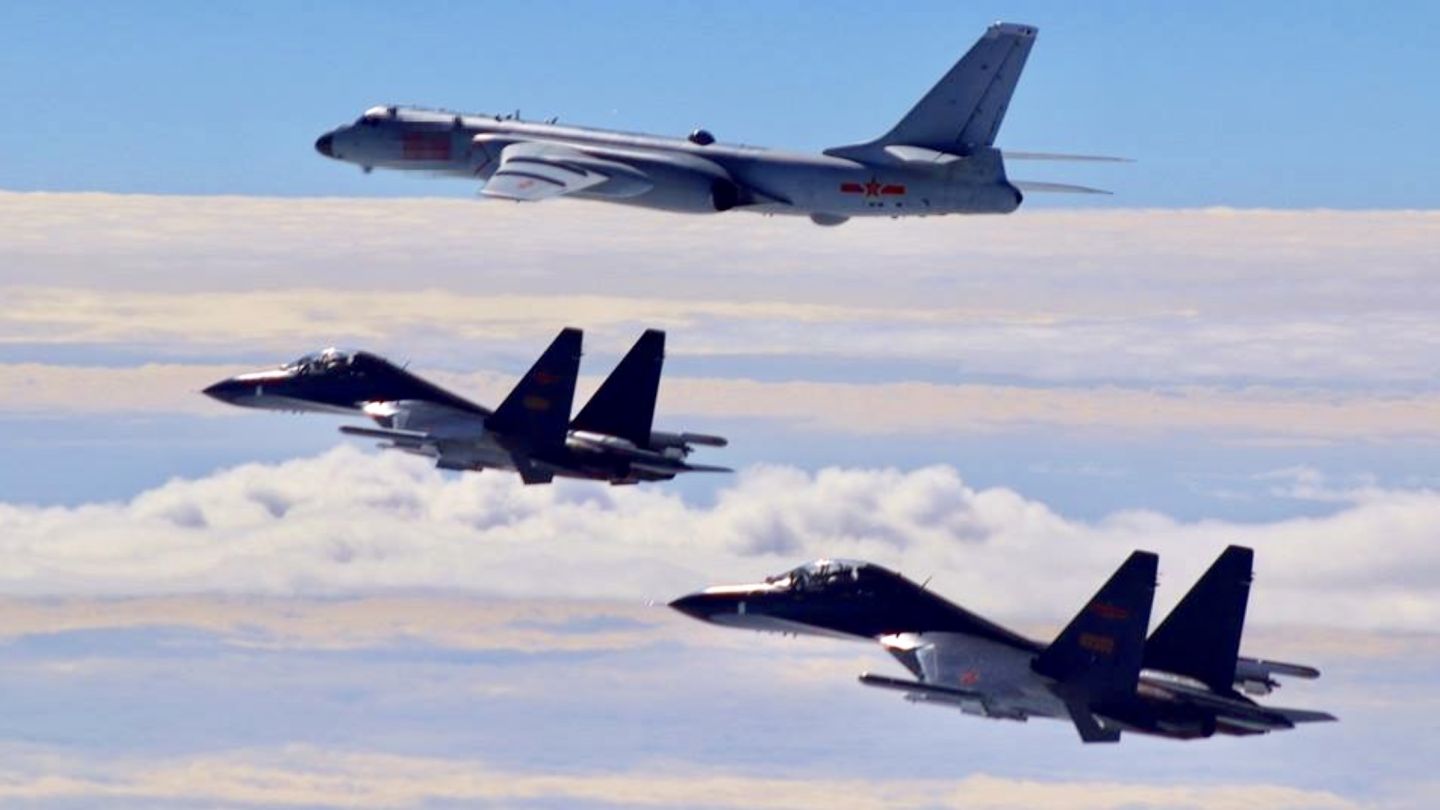
China’s Elite J-20 fifth generation air superiority fighters have begun to replace Su-30MKK ‘4+ generation’ air superiority fighters in the People’s Liberation Army Air Force’s 9th frontline brigade at Wuhu, marking the beginning of a key stage in the modernisation of the service’s fighter fleet. The Su-30MKK was acquired from Russia in the late 1990s, largely in response to the U.S. Navy’s sailing of a carrier strike group through the Taiwan Strait during the Third Taiwan Strait Crisis, and while it made use of an air superiority airframe its advanced avionics, electronic warfare systems, sensors and long range made it highly suitable in an anti shipping role. The aircraft remain among the most capable Russian fighter jets ever developed, and until 2015 were the most potent in Chinese service in their air to air combat capabilities.
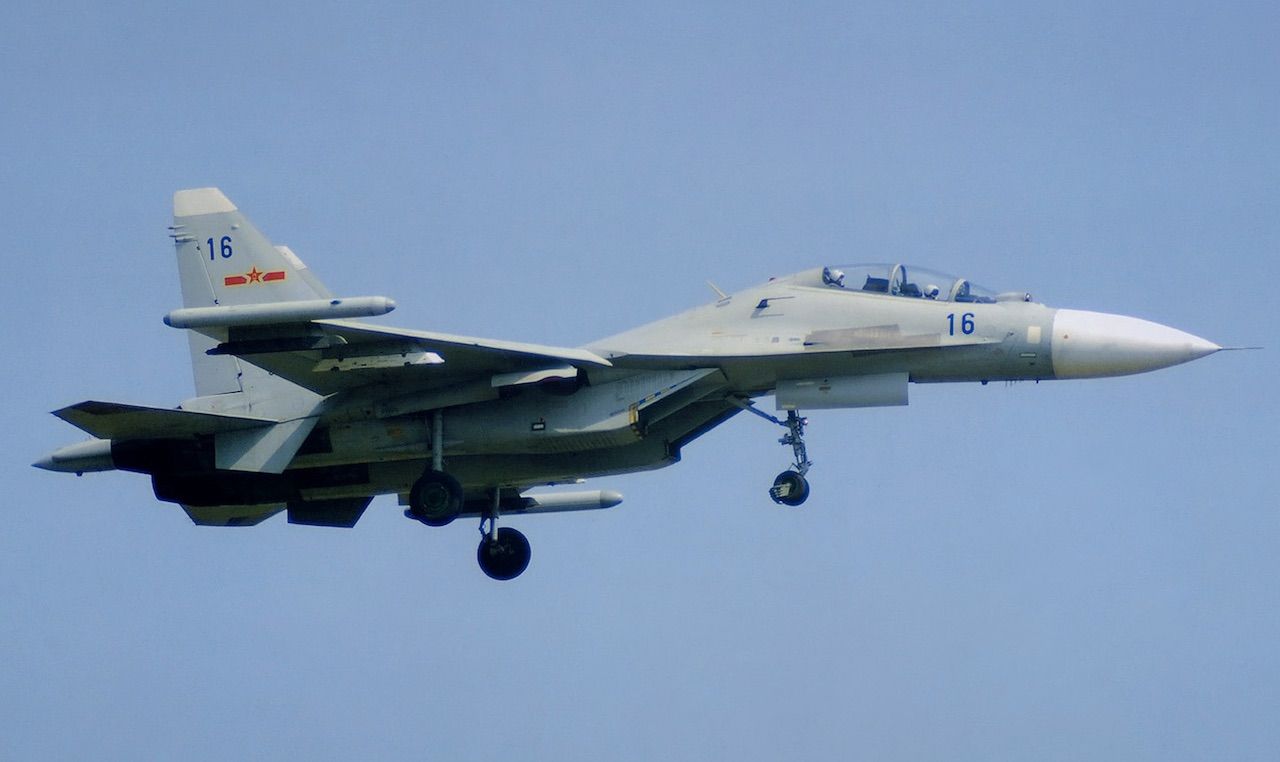
The Su-30MKK’s elite status led it to be allocated to the 9th frontline brigade, and the fighters are likely to be redeployed to another part of the country - possibly to another frontline brigade at a less critical location to replace a less capable platform with a similar role such as the J-11. The J-20’s entry into service in the brigade represents its new status as the PLA’s most elite fighter jet - an analogue to the American F-22 Raptor and Russian Su-57 - of which several hundred are expected to enter service. As considerable investments have been made to expand production facilities for the J-20, the rate at which they are manufactured is estimated to have surpassed that of the F-22 during its own brief production run - allowing the PLA Air Force to very quickly modernise its air superiority fleet.
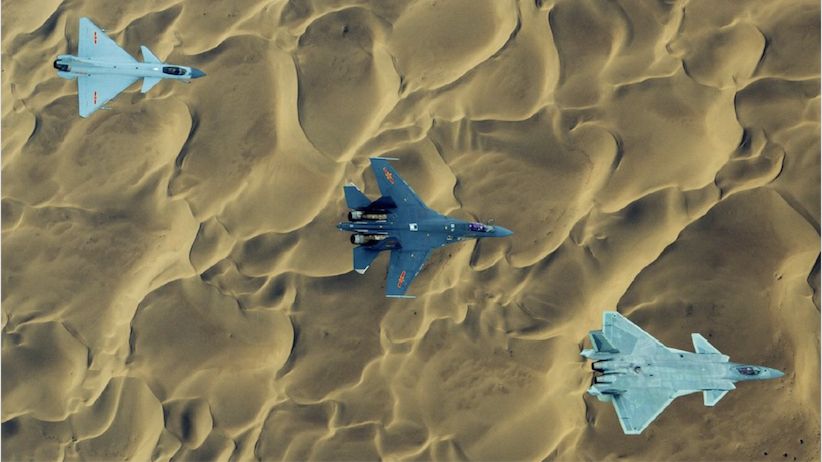
The J-20 airframe’s stealth profile and combination of a high speed and operational altitude, long range, high weapons payload and high manoeuvrability make it a highly lethal fighter. Continued efforts to modernise the platform, with considerable investments being made to improve electronic warfare systems, munitions, stealth coatings and engines, have led a number of analysts to predict that the fighter will quickly come to surpass its American counterpart the F-22 - which by contrast has seen very little investment in modernisation and has seen production terminated. The J-20 is one of a new generation of Chinese combat aircraft, serving alongside the J-10C single engine lighter fighter and J-16 strike fighter in a complementary role. The J-20 remains the most advanced of these, though the two ‘4++ generation’ fighters provide valuable capabilities.
Though the Su-30MKK is more than a match for the majority of Western fighters in service such as the F-18E and F-15, the J-20 represents a platform a league above these which is designed to go head to head with high end platforms such as the F-22. The J-20’s AESA radar, improved survivability, and access to new munitions such as the PL-15, are among the many factors which place it ahead of the Su-30MKK. Once the J-20 begins to be deployed with WS-15 engines - possibly also integrating three dimensional thrust vectoring, the discrepancy in the two fighters’ capabilities will grow considerably greater. While the Su-30MKK is likely to see at least a decade more service in the PLA Air Force before the fighters begin to be retired, the entry into service of a new generation of fighters with next generation capabilities has led to its demotion from the position of China’s leading air superiority platform.
