
China Delivers Overhauled Block 1 JF-17 Fighters to Pakistan with Enhanced Capabilities
Military Watch Magazine Editorial Staff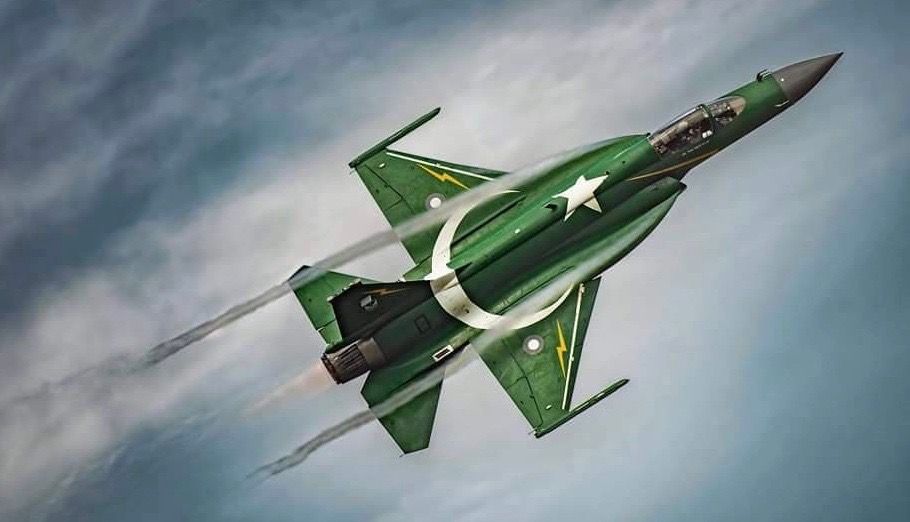
Pakistani Air Force JF-17 Thunder Single Engine Light Fighter
A unit of JF-17 Block 1 single engine light fighter jets has reportedly been delivered to the Pakistani Air Force after an extensive overhaul in China, with the capabilities of the jets enhanced to a similar standard to more modern variants of the aircraft. The JF-17 Block 1 first entered service in the Pakistani Air Force in 2007, and began licence production in Pakistan the following year. The aircraft is the lightest and least sophisticated JF-17 variant, and entered production at around the same time as the final variants of Chengdu J-7 fighters in China - a platform from which the JF-17 is partially derived. The fighter lacks the data link and air to air refuelling capacity or the enhanced avionics, payload and electronic warfare systems of the later Block II variants, but are less costly than their successors which entered production in December 2013. Fifty JF-17 Block I fighters were manufactured from 2007, and the aircraft are considered the least costly fourth generation fighters ever to be manufactured.
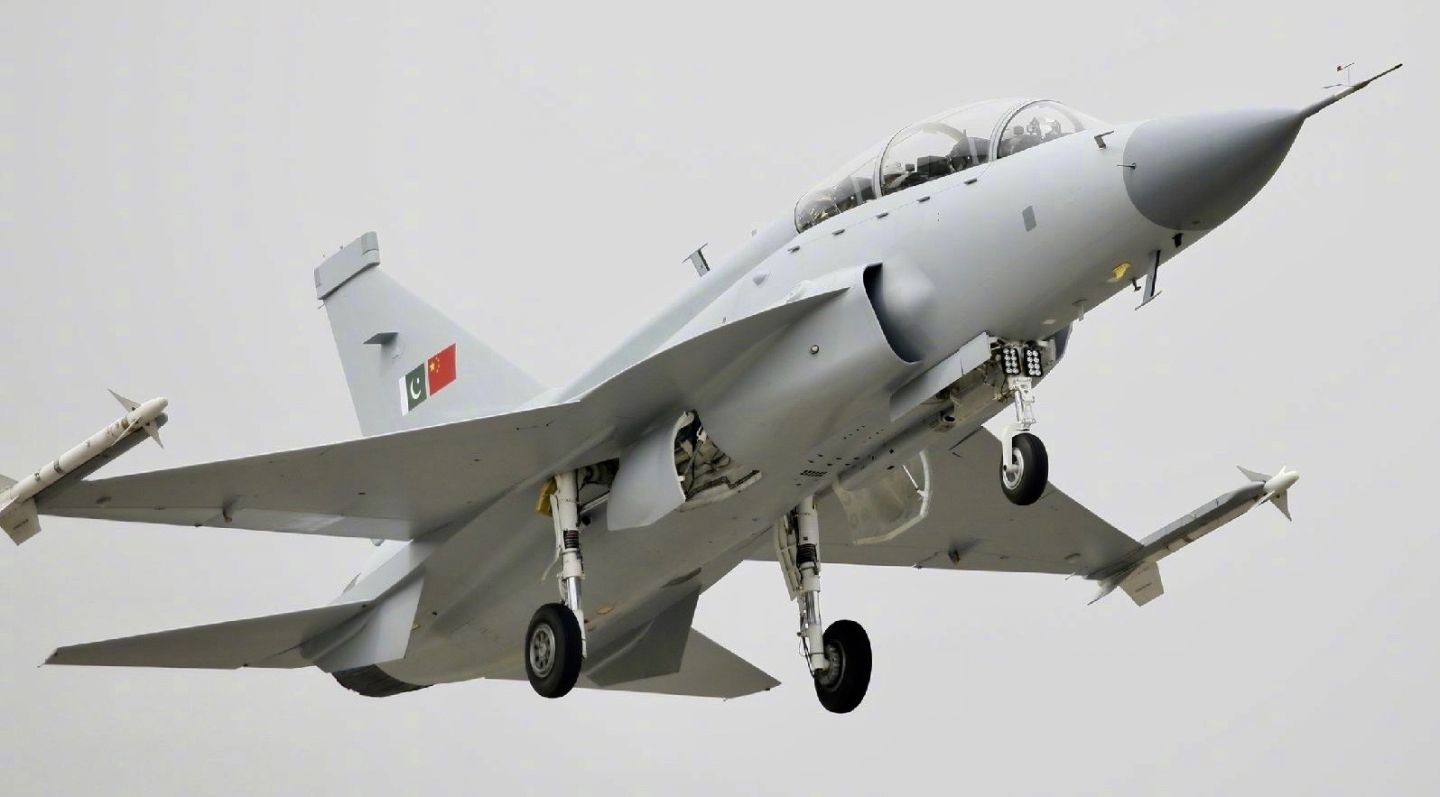
Despite its low cost design, the JF-17 Block I reportedly performed “better than expected” according to the leadership of the Pakistani Air Force. The aircraft retains a number of significant capability advantages over early Western fourth generation fighters of a similar weight range such as the American F-16A and Swedish-American Gripen A, and is compatible with high end munitions such as the PL-12 air to air missile. This munition is comparable to the American AIM-120C in its performance, with a 100km range, Mach 4 speed, high precision and 'fire and forgot' capabilities. The JF-17 Block I thus represented a considerable upgrade for the Pakistani Air Force over the second and third generation jets which previously formed the vast majority of its fleet, including the Mirage III, Mirage 5 and the J-7PG - an older variant of the J-7 design.
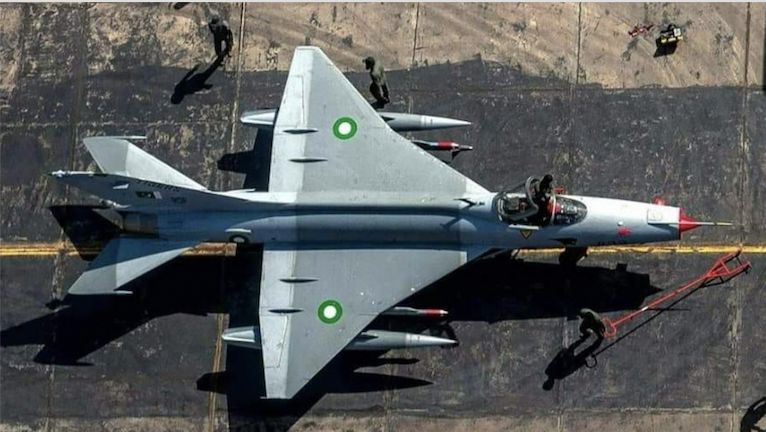
The JF-17 was developed jointly by Pakistan Aeronautical Complex and Chengdu Aerospace Corporation, with the Pakistani Air Force as its primary operator. China’s People’s Liberation Army for its part does not currently operate any JF-17 squadrons, though this may change as the design for the more advanced Block 3 variant matures and the Air Force begins to consider phasing some of its J-7 fighters out of service - with eleven regiments and two battalions of the fighters currently in service. The design is particularly prized for its combination of fourth generation combat capabilities and its low operational cost and maintenance requirements - which are more comparable to lightweight second generation jets. The fighters are powered by Russian Klimov RD-93 engines licence built by Chengdu - an enhanced derivative of the Soviet RD-33 which powers the MiG-29. Four derivatives of the fighter are currently in production, including the Block I, Block II, Block III and twin seat JF-17B. The Block III variant has yet to enter service, but has gained considerable foreign interest due to its integration of next generation technologies including an active electronically scanned array radar and, according to some reports, more advanced long ranged air to air missiles.
