
Reports: Pakistan’s JF-17 Fighters to Deploy Chinese PL-15 ; New Missiles Could Even the Odds Against the Elite of India’s Air Force
Military Watch Magazine Editorial Staff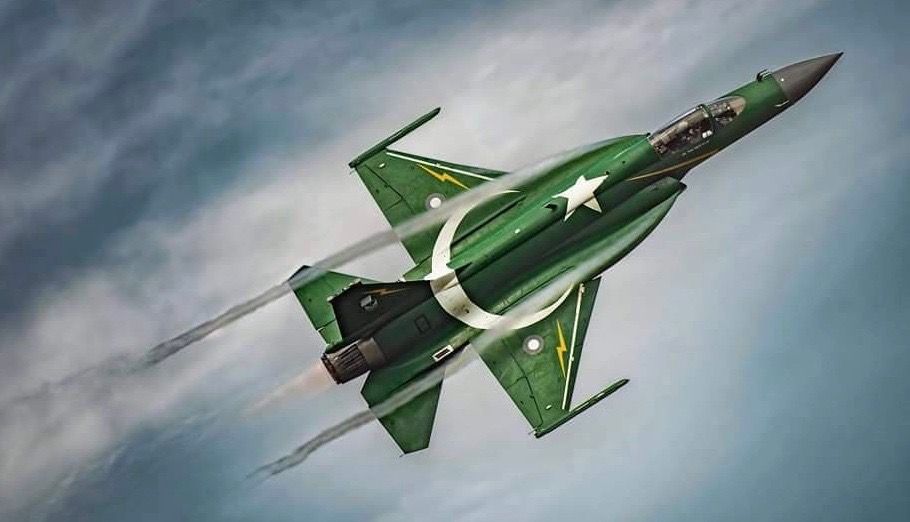
Pakistani Air Force JF-17 Single Engine Fighter
China is reportedly set to supply the Pakistani Air Force with one of the most capable new air to air munitions deployed by the People’s Liberation Army Air Force - the PL-15. The missile deploys an active electronically scanned array radar, and is designed with high manoeuvrability and an extended ‘no escape range’ allowing it to reliably strike even highly manoeuvrable enemy combat aircraft at very long ranges. The sizeable missile is four meters long, and its dual thrust rocket motors allow it to engage targets up to 150km away - with some estimates placing its range considerably longer at around 200km.
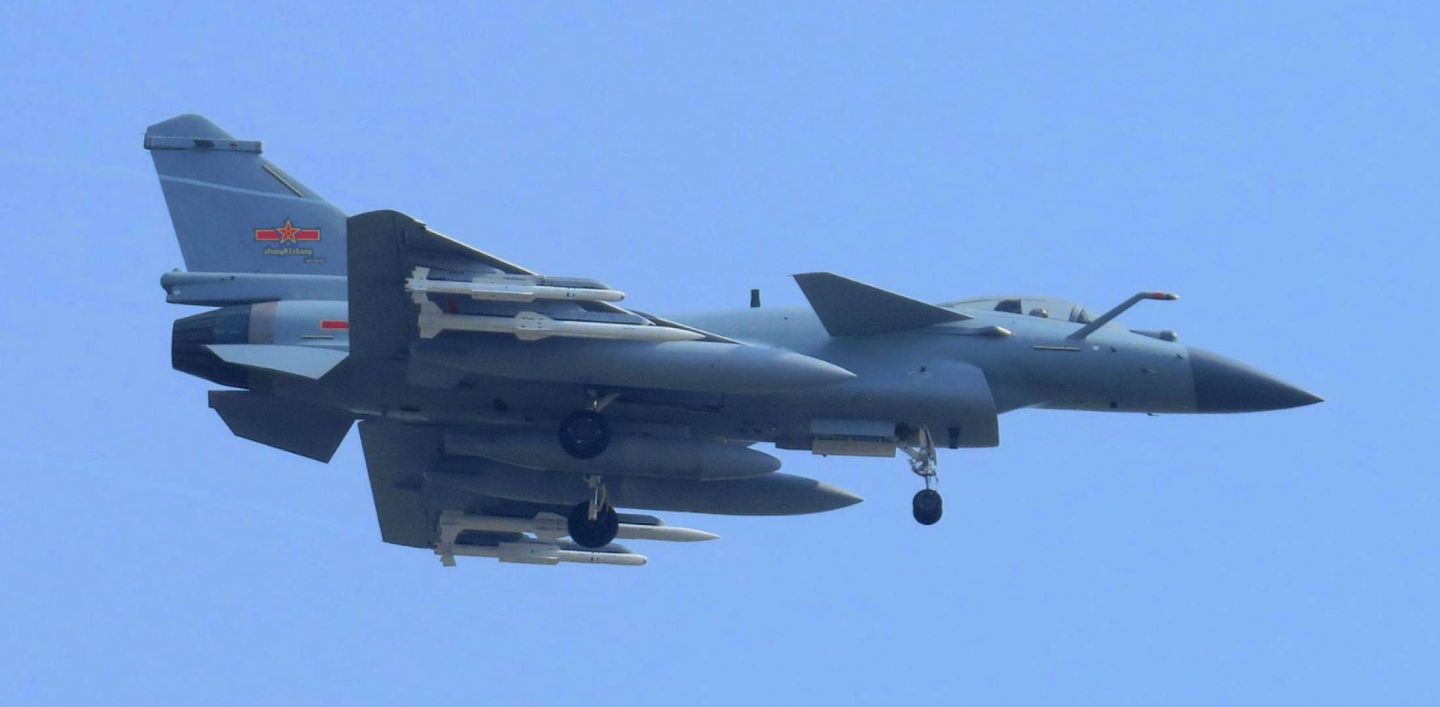
Should the Pakistani Air Force acquire the PL-15, it would be the first outside China to deploy it and one of very few in the world with access to munitions of such a standard. While it was reported previously that the Sino-Pakistani JF-17 Block 3 ‘4+ generation’ fighter was potentially set to be equipped with the missile, which would complement its powerful active electronically scanned array (AESA) radar upon entering service in the early 2020s, recent reports indicate that some of Pakistan’s older JF-17 Block 2 fighters could be modified to deploy the missiles. Reports of the potential transfer of the missiles come one week after engagements between the Indian and Pakistani Air Forces in late February 2019. Indian reports from these clashes indicate that its Air Force’s Elite Su-30MKI air superiority fighter was able to evade multiple attacks by Pakistani AIM-120C-5 air to air missiles - likely using its advanced electronic warfare systems and supermanoeuvrability to do so.
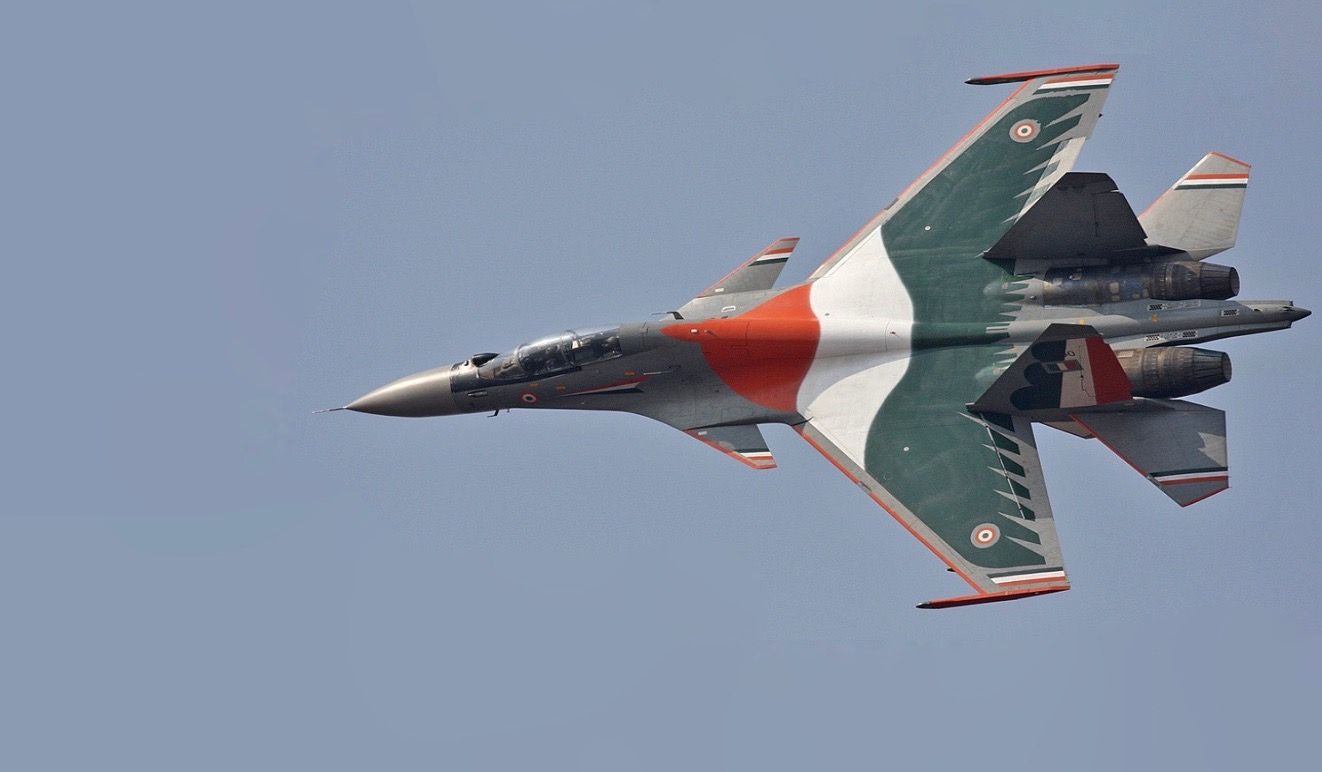
The AIM-120C-5 deployed by the F-16 and its Chinese analogue the PL-12, currently deployed JF-17, are the most capable long range air to air munitions in the Pakistani arsenal - with ranges of approximately 100km. They are however outraged by the Indian Air Force’s R-77 and R-27ER/ET missiles supplied by Russia. Acquisition of the PL-15 however would go a long way towards evening the odds between the two countries’ fighter fleets in the air, retaining a far longer range and superior specifications than anything in the Indian fleet optimised for targeting enemy fighters. While sensors, manoeuvrability, speed and weight of the JF-17 Block 2 are all far surpassed by medium and heavy weight Indian fighters such as the Rafale, MiG-29 and particularly the Su-30MKI, access to a more sophisticated and longer ranged missile would allow it to somewhat compensate for these disadvantages.
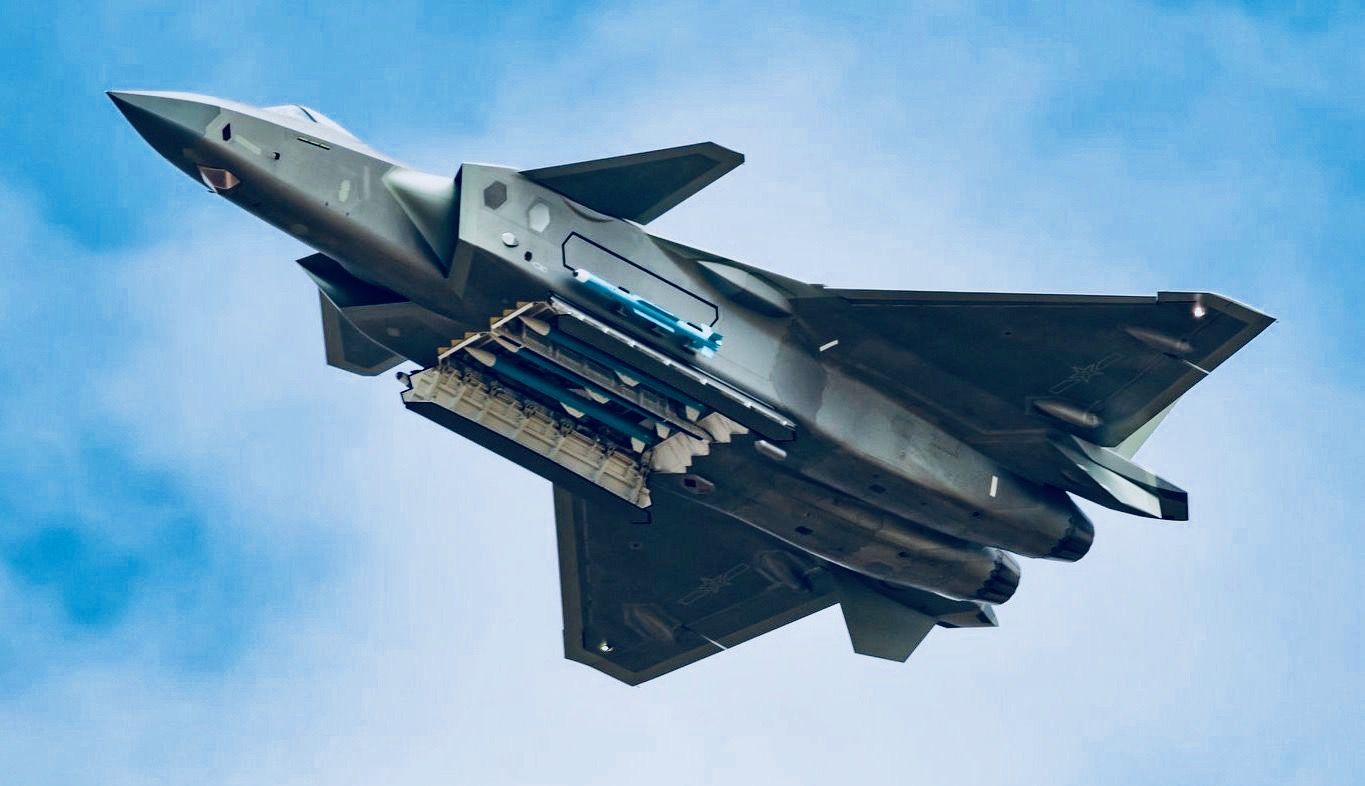
The PL-15’s more powerful radar and enhanced anti jamming capabilities relative to the AIM-120C-5 and PL-12 considerably increase its probability of a successful kill in beyond visual range engagements, allowing it to pose a threat to even the Su-30MKI where it was reported that the AIM-120C recently failed. Pakistan’s acquisition of the elite Chinese missiles in large numbers could lead India to respond by acquiring the advanced K-77 from Russia - which can be used to outfit the MiG-35 and Su-57 it is currently considering acquiring. It will likely be many years before India is capable of deploying this missile however, and Russia has yet to export the K-77 to any of its defence clients.
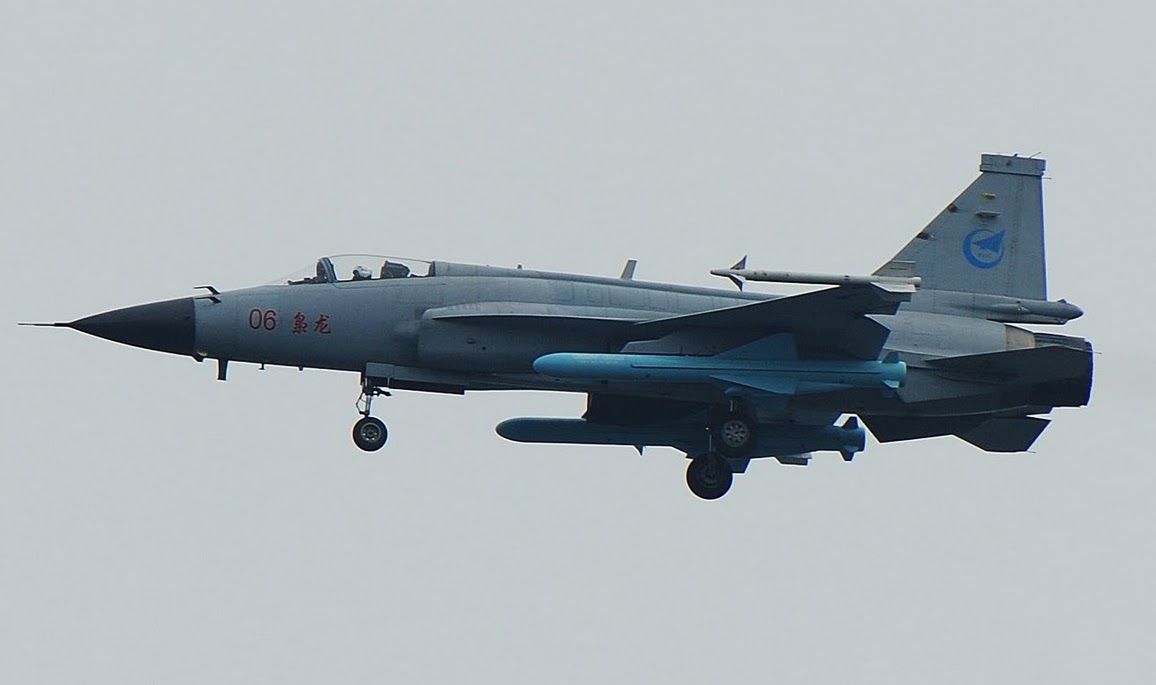
Reports of the transfer of the PL-15 remain unconfirmed, originating from a number of Pakistani sources, and the missile’s compatibility with the relatively lightweight JF-17 Block 2 remains questionable. The fighter notably lacks high powered sensors comparable to those deployed by the J-10C or J-16 needed to make full use of the PL-15’s formidable range. It is possible that a lighter and shorter ranged version of the PL-15, possibly developed for the JF-17 Block 3, could be intended for the Pakistani Air Force - much as the U.S. modified the AIM-120C intended for the F-22 to develop a smaller but less manoeuvrable variant for the F-35. Whatever the case, Pakistan is likely to seek new more capable air to air munitions in the near future - particularly if India should go ahead to acquire the K-77. Whether these will be delivered before the JF-17 Block 3 entered service or afterwards, and whether these munitions will include the PL-15 specifically, remain to be seen.
