
Work on Next Generation JF-17 Variant Underway; Pakistan Wants More Advanced Air to Air Munitions
Military Watch Magazine Editorial Staff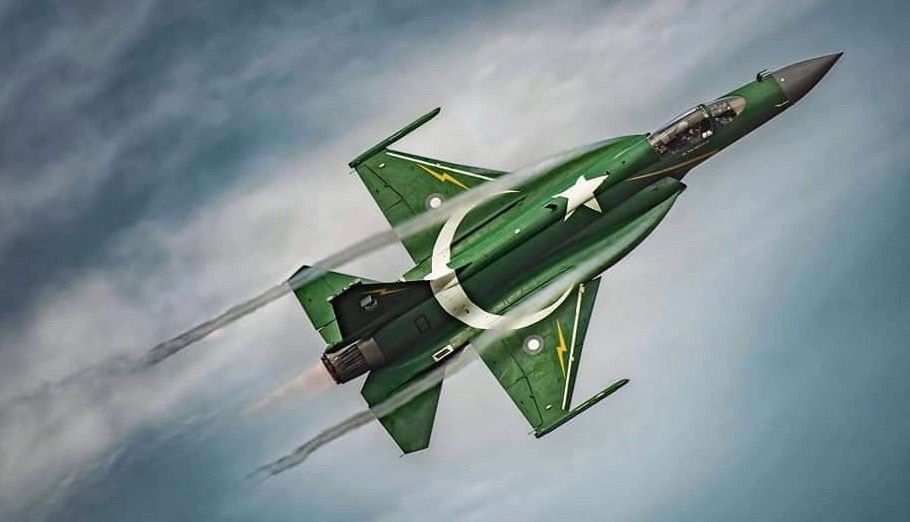
JF-17 Single Engine Light Fighter
Reports indicate that a new variant of the Sino-Pakistani fighter, the JF-17 Thunder, is currently under development with a first flight expected in the second half of 2019. The JF-17 Block 3 will field a number of next generation technologies including an active electronically scanned array (AESA) radar, a radar cross section reducing airframe, and possibly an infra red search and track system and more powerful engine. The fighter may also make use of radar absorbent stealth coatings to further enhance its ability to evade detection in beyond visual range engagements, though this too remains unconfirmed. The JF-17 Block 3 is set to cost considerably more than the JF-17 Block 2 variant currently in mass production, though it will remain highly price competitive relative to other ‘4+ generation’ combat jets and will retain the original JF-17’s highly prized low maintenance requirements.
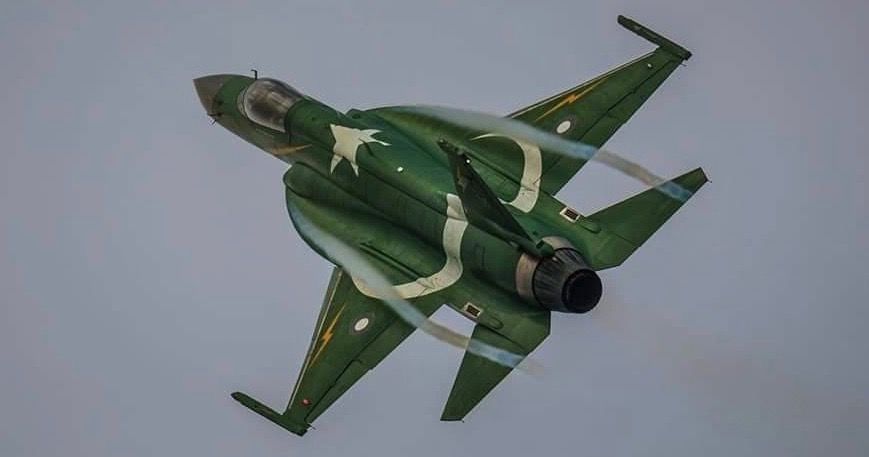
Pakistani JF-17 Single Engine Light Fighter
Pakistani sources have indicated that the Pakistani Air Force is eager to see the new JF-17 variant equipped with a high end air to air missile more capable than the PL-12 which is deployed by the Block 2 variants currently in service. The PL-12 is an analogue to the American AIM-120C which is currently the primary air to air munition deployed by the United States military. A more advanced missile comparable to the European Meteor, Russian K-77 or American AIM-120D however would considerably enhance the new JF-17’s beyond visual range capabilities and potentially serve as a valuable counter to both the Iranian Air Force’s Fakour-90 (300km range) and the Meteor and K-77 which the Indian Air Force plans to field in the near future. The PL-15, designed to be deployed by China’s next generation fighters such as the J-10C and J-20, is one potential option. Another would be a ramjet powered extended range munition such as the PL-12D, the capabilities of which considerably surpass those of older variants currently in service in the Pakistani Air Force.
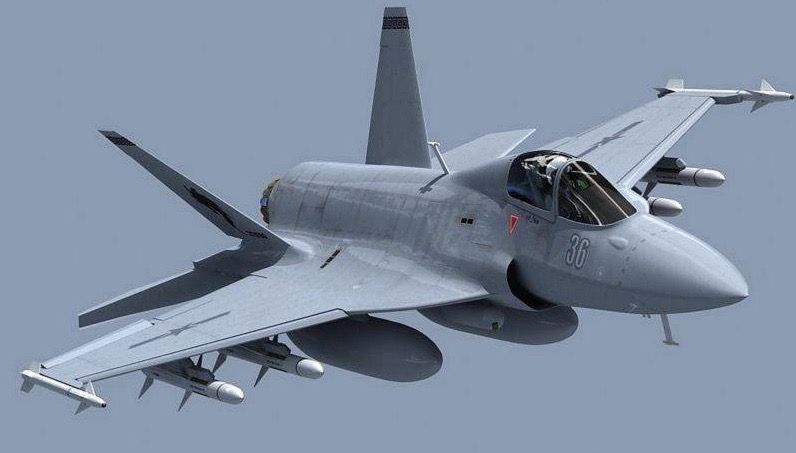
JF-17 Block 3 Concept Design
The ability to deploy next generation munitions could make the JF-17 Block 3 a far more attractive option for a number of export clients which have shown interest in the platform. Egypt for one lacks access to missiles of the AIM-120C or PL-12 standard, and should the JF-17 Block 3 give it access to missiles such as the PL-15 or PL-12D it could be a game changer for the country’s aerial warfare capabilities. Cairo has already shown interest in the next generation JF-17, as have a number of Southeast asian states including Myanmar and Malaysia. Ultimately whether China will be willing to widely export its high end air to air munitions, and whether the JF-17 airframe can be made comparable with such missiles, both remain to be seen.
