
U.S. Suspends $14 Billion Worth of Arms Deliveries to Republic of China Forces Due to Major Iran War Induced Shortages
Military Watch Magazine Editorial Staff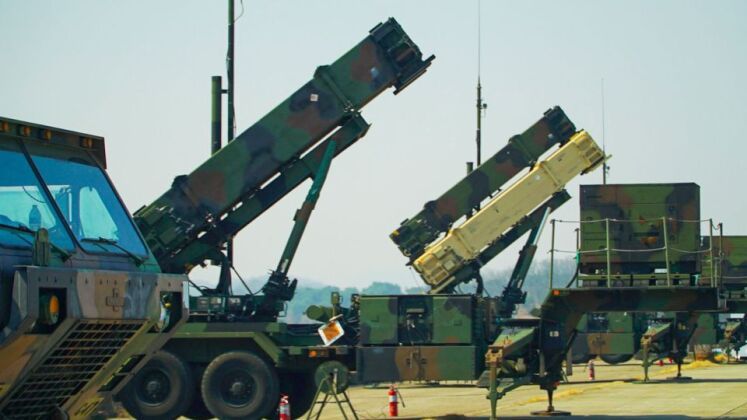
Launchers From U.S. Army Patriot Air Defence System in South Korea Before Their Withdrawal and Redeployment to the Middle East
Acting U.S. Secretary of the Navy Hung Cao has confirmed that the delivery of $14 billion worth of defence equipment to the Republic of China Armed Forces has been temporarily suspended, which is expected to exacerbate the already considerable delays to defence supplies to the island-based forces at a strategically critical time. Speaking at a Senate committee hearing, Cao stated that the pause is intended to allow for the replenishment of U.S. stockpiles following the 39 day U.S.-led war against Iran. He added that deliveries will resume once they are approved by on Capitol Hill. The Republic of China’s almost total lack of international recognition has ensured that it has had no meaningful alternatives to the United States for defence supplies, which has made delays particularly devastating, but has also ensured that the possibility of U.S. producers losing market share is very limited regardless of the extent of delays.
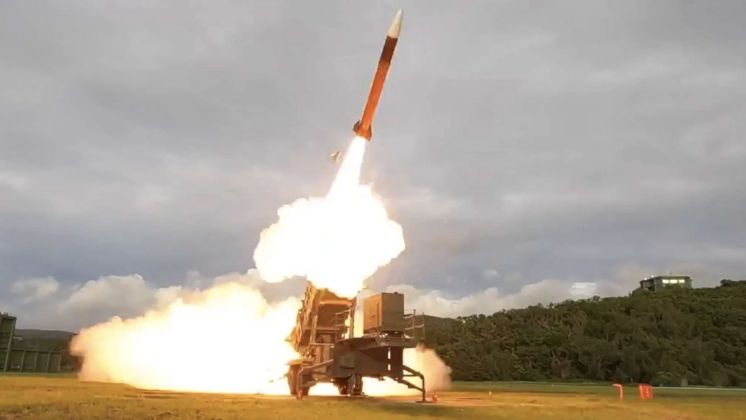
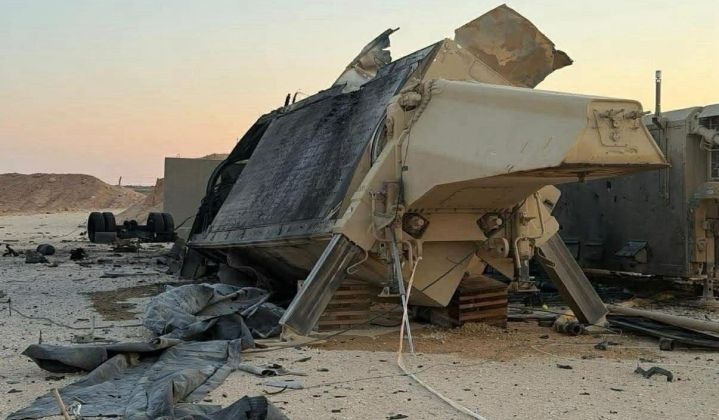
The considerable shortages of multiple kinds of key armaments that resulted from U.S.-Iranian hostilities have had serious implications across multiple theatres. Washington previously informed several of its NATO allies in Europe to expect delays in military equipment deliveries due to the severe depletion of during the conflict. From late March multiple reports also indicated that the U.S. Department of War planned to redirect military equipment supplies originally designated to arm Ukraine for its war effort against Russia to instead support the U.S.-led war effort against Iran, which was reported by multiple sources speaking to the Washington Post. This was corroborated by Secretary of War Pete Hegseth, who emphasised that month that replenishing U.S. arsenals depleted during attacks on Iran took precedence over supplying Ukraine. Not only has the U.S. delayed supplies abroad, but it has also withdrawn stockpiles deployed in strategically key locations abroad, with a notable example being the withdrawal of THAAD and Patriot air defence systems from South Korea specifically for redeployment to the Middle East. Alongside the depletion of munitions, the U.S. Armed Forces have also been forced to contend with the destruction of high value equipment, such as AN/TPY-2 radars valued at close to $1 billion each.
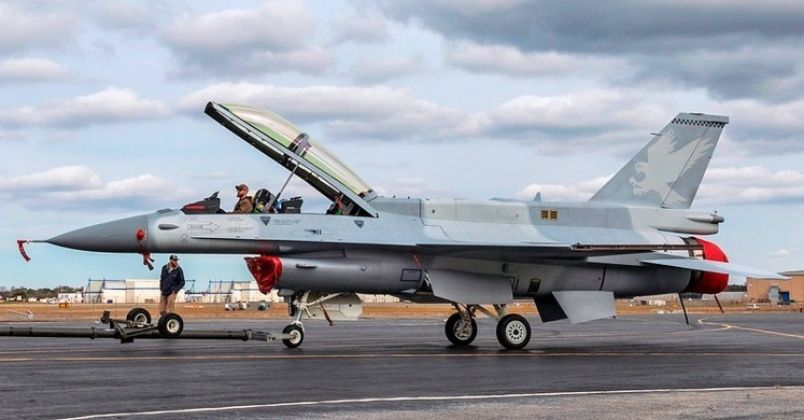
Outstanding backlogs of undelivered U.S. military equipment to the Republic of China Armed Forces had by December 2025 reached over $21.45 billion. Senior officials in the Republic of China government that month confirmed delays in weapons systems deliveries which were originally scheduled for 2025, including F-16 Block 70 fighters, AGM-154C glide bombs, and MK-48 heavy torpedoes. Responding to delays delivering on the largest single contract, an $8.2 billion order for 66 F-16 fighters, Premier Cho Jung-tai in late 2025 stated that the government did not rule out “taking legal action against the manufacturer.” The fact that sales have been executed through the U.S. Foreign Military Sales process, which does not provide for direct compensation claims, has posed a major challenge to Taipei and other clients such as Japan which have faced similar issues with delays.
In late April an assessment published by the Center for Strategic and International Studies warned that the U.S. Armed Forces had depleted their stockpiles of critical missiles to dangerous levels during the seven week assault on Iran, resulting in a “near term risk” that could leave it vulnerable. Stockpiles that were particularly exhausted included those of the Precision Strike Missiles (PrSM), Patriot, THAAD, SM-3, and SM-6 air defence interceptors, Tomahawk cruise missiles, and GBU-57 guided bombs. Analysts have estimated that the U.S. launched attacks on more than 6,000 Iranian targets in the first 10 days of attacks, almost all using costly beyond visual range weaponry, while also firing at estimated more than 2000 anti-ballistic missiles to intercept Iranian counter strikes. By the final week of March, the Navy was estimated to have expended close to 1,000 of Tomahawk cruise missiles, of a total arsenal of between 3,000 and 4,500 in its total inventory.
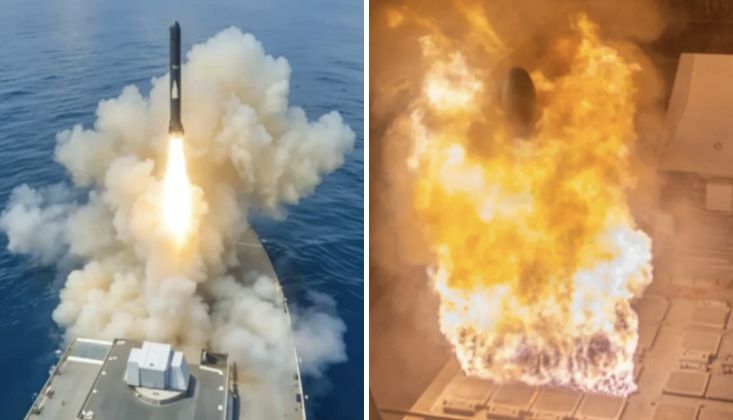
Director of the Missile Defense Program at CSIS Tom Karako has been among several analysts warning that although the Pentagon has claimed its weapons stockpiles are sufficient for the war effort against Iran, the continued high-rate of expenditures placed immense pressure on inventories. It is expected to take close to half a decade to recover from current shortages, which has placed Iran in a strong negotiating position as Iranian and U.S. forces remain in a standoff in the region. Sustaining a large military presence around Iran, even at a time of ceasefire, has continued to impose tremendous costs, with U.S. Naval Operations Chief Admiral Daryl Caudle having in mid-May warned that the Fiscal Year 2026 budget did not account for the costs of the war, and that the Navy as a result had been forced to make significant cuts.
