
U.S. Withdrawing Patriot Air Defence Systems From South Korea to Redeploy For War Effort Against Iran
Military Watch Magazine Editorial Staff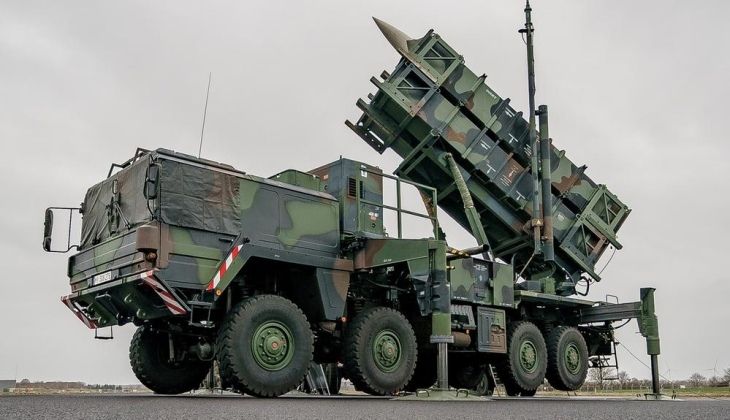
Launcher From Patriot Air Defence System
South Korean government sources speaking to a number of local media outlets have confirmed that MIM-104 Patriot long range air defence systems have been prepared for redeployment in the Middle East, and that heavy U.S. aircraft transport planes, likely C-17s, have flown to Osan Air Force Base to move them. This follows multiple reports of an extreme depletion of Patriot and THAAD missile defences in the Middle East, after the U.S. and Israel initiated high intensity attacks against Iran on February 28, to which the Iranian Islamic Revolutionary Guard Corps responded by targeting adversary strategic and military facilities across the region. The U.S. Army entered the war with an already severely depleted Patriot arsenals, with supplies of surface-to-air missiles for the systems reported in July 2025 to have fallen to just 25 percent of the volume deemed necessary by the Pentagon as a result of both donations to Ukraine, and clashes with Iran in June that year.

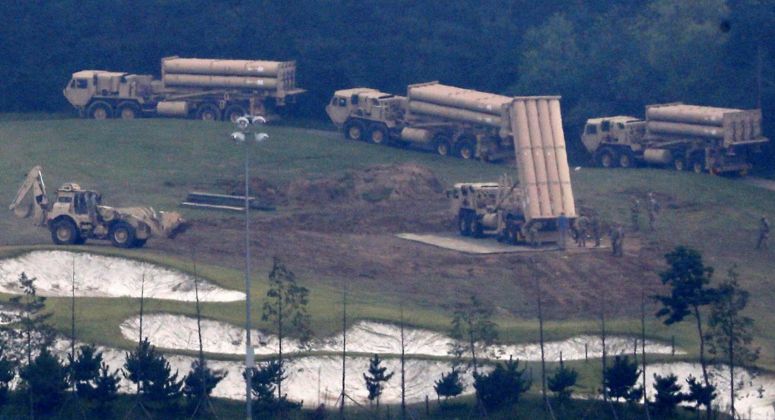
The withdrawal of Patriot systems from South Korea represent part of a broader trend of the U.S. presence in the country appearing to be deprioritised, with AH-64 Apache helicopters having been withdrawn in January, while the withdrawal of THAAD missile defence systems is reportedly also under consideration. South Korea is the only foreign country that hosts a permanent foreign deployment of U.S. Army THAAD systems, which were initiated in 2016 primarily to provide cueing data against Chinese ballistic missile launches. The global arsenal of THAAD systems has come increasingly under strain, however, with two AN/TPY-2 radars having been destroyed in Iranian strikes, seriously limiting their effectiveness. The U.S. Army also expended over 150 anti-ballistic missile interceptors from the THAAD system during twelve days of hostilities in June 2025, representing over 25 percent of its, total global arsenal, which is estimated to have cost over $2.35 billion. Further depletion of interceptors in recent clashes with Iran, which have been significantly more intense, is likely to create pressures to withdrawn them from elsewhere in the world including from South Korea, even if the launchers, radars, and command posts themselves remain in place.
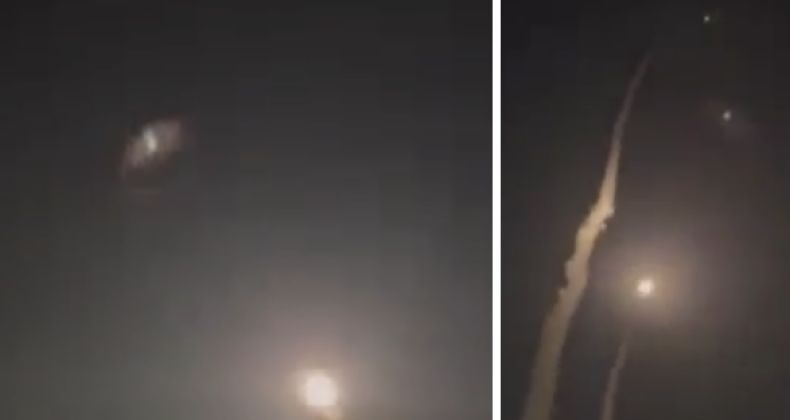
Reports from multiple Western sources have indicated that the U.S. Army has expended over 800 anti-ballistic missiles from MIM-104 Patriot long range air defence systems during the first five days of hostilities with Iran, exceeding the total estimated number of Patriot interceptors launched throughout the entire Russian-Ukrainian War, in which the system has been operated for close to three years. Patriot interceptors cost approximately $3 million each, with costs varying depending on the types of interceptors in use, meaning that engaging Iranian missiles using the systems in five days cost an estimated $2.4 billion. The very large size of Iran’s ballistic missile arsenal has left the Patriot’s ability to provide a sustained defence in serious question, with the system’s reliability against even more basic Iranian strikes having also proven to be questionable on multiple occasions. Al Udeid Air Base in Qatar, which is the primary facility to which U.S. Army Patriots were forward deployed, was shown in satellite footage to have taken major damage from Iranian ballistic missile strikes, after footage showed the Patriots failing to hit their targets.
Highlighting the growing consensus regarding the Patriot’s limitations to provide a defence against large ballistic missile arsenals, Vice Chairman of the Republic of China Forward Auxiliary Association Li Wenzhong recently observed that that surface-to-air missiles for the Patriot system were outstandingly expensive, particularly when considering that they were designed to be launched in pairs against incoming targets. Such launches were wholly unaffordable and unsustainable against the Chinese mainland’s vast ballistic missile arsenal, he noted, with the PAC-3’s cost ensuring that the surface-to-air arsenal would be exhausted quickly. This issue similarly affects the arsenal in South Korea, which is not only likely to be easily overwhelmed by North Korean missile strikes in the event of war, but would also suffer from an inability to intercept hypersonic missile attacks that a significant number of new North Korean missile types are capable of launching.
