
Abrams Tank, M109 Artillery and Patriot Missile Procurements From U.S. Criticised as Ineffective For the Republic of China’s War Planning
Military Watch Magazine Editorial Staff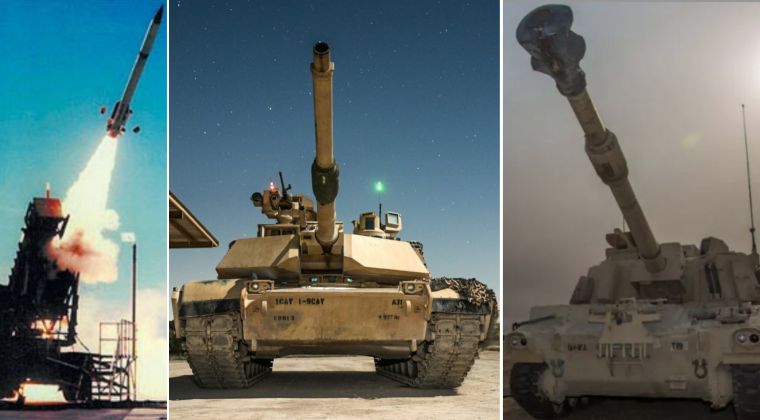
Patriot Launch, Abrams Tank and M109 Howitzer
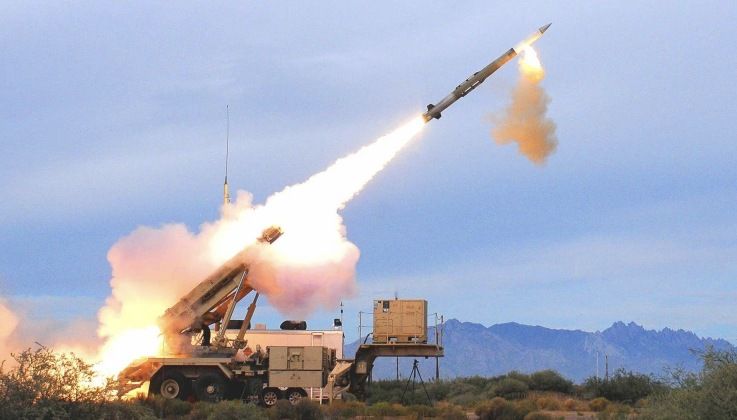
The Republic of China Ministry of National Defence’s unprecedented investments in arms procurements from the United States have drawn growing scrutiny from lawmakers domestically, with criticisms increasingly encompassing not only the extreme delays to deliveries which have hampered military modernisation efforts, but also the cost effectiveness and viability of much of the equipment on order. Most recently, Vice Chairman of the Forward Auxiliary Association Li Wenzhong on March 5 stated although the M109A7 self-propelled howitzer recently announced to be planned for procurement is advanced, it is a weapon that "fights yesterday instead of tomorrow's war.” He further pointed out that the procurement of PAC-3 anti-ballistic missiles for Patriot air defence system, although sophisticated and forming the core of the Republic of China’s air defences, had limited viability against attacks by cruise missiles, guide rockets, and unmanned aircraft. These were, he observed, the main weapons which would be used to attack Republic of China Armed Forces positions in the event of a new Taiwan Strait war.
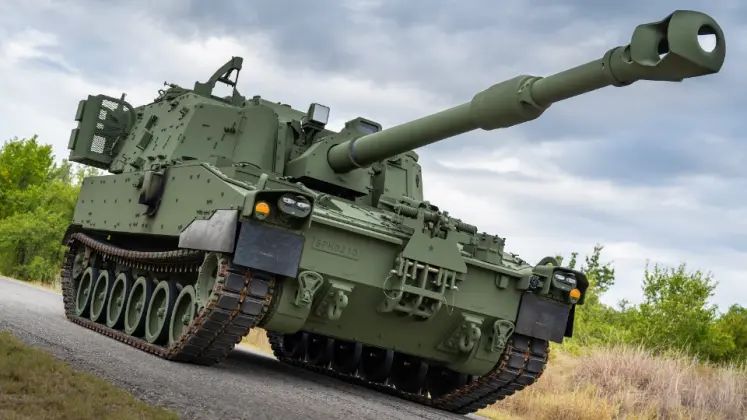
Although observing that a more advanced air defence capability was invaluable for morale, Vice Chairman Li noted that surface-to-air missiles for the Patriot system were outstandingly expensive, particularly when considering that they were designed to be launched in pairs against incoming targets. Such launches were wholly unaffordable and unsustainable against the Chinese mainland’s vast ballistic missile arsenal, with the PAC-3’s cost ensuring that the surface-to-air arsenal would be exhausted quickly. Returning to the M109A7 self-propelled howitzer, Li noted that it would be deployed in the hills to the west of Taiwan Island, but its unit price was too high and speed too slow, leaving it potentially highly valuable to drone attacks.
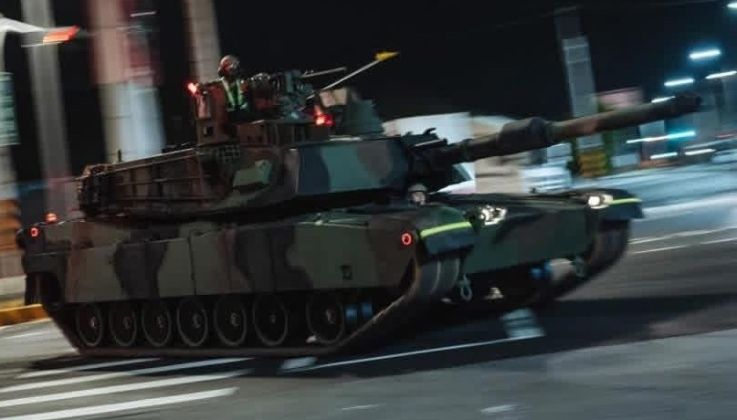
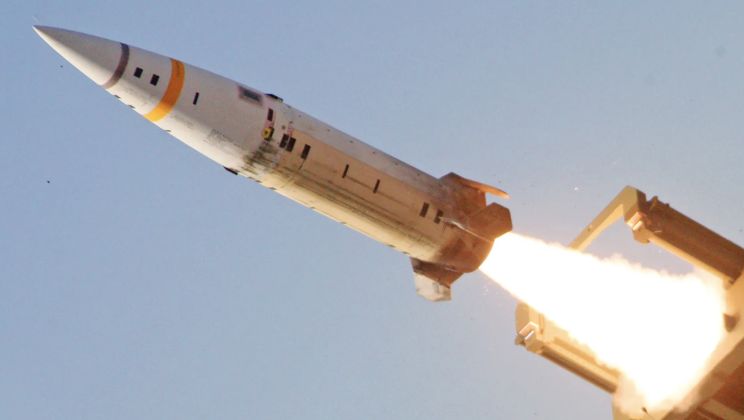
While criticising the procurement of PAC-3 missiles, M109 howitzers and M1A2 Abrams tanks, Li praised the decision to procure HIMARS rocket artillery systems, highlighting their high sophistication and the fact that their capabilities had been verified in actual combat. He singled out the system’s ability to launch ATACMS ballistic missiles with 300 kilometre ranges as being of particular high value due to its ability to strike high value targets across the Taiwan Strait, and stated that in future the Republic of China Armed Forces should strike to field a multi-warhead missile type with a longer 500 kilometre range. ATACMS gained greater attention from early February after it was confirmed that the Republic of China Armed Forces would forward deploy the missiles to the islands of Penghu and Dongyin, and allowing the establishment of a Joint Firepower Coordination Centre with the U.S. in late January which would allow U.S. personnel permanently stationed in Taipei to oversee planning and potential use of local missile forces.
The U.S. has responded to the shortcomings of both the Patriot system and the Abram tank, which were demonstrated clearly in the Ukrainian theatre, by initiating the development of deeply revised new variants. The U.S. Army in December 2025 confirmed plans to develop a new variant of the Patriot, which will gain a 360 degree targeting capability that Russian, Chinese and North Korean systems have long had. This appears to be the most revolutionary upgrade since the system first entered service in 1981, and follows the demonstrated vulnerability of the Patriot to Russian missile attacks. The Army has also cancelled plans for further modernisation of the M1A2 to deeply revise the Abrams design, instead financing the development of the M1E3 Abrams next generation variant, the first images of which were released in mid-January 2026. By early June 2025 the Ukrainian Army was assessed to have lost 87 percent of the Abrams tanks it had been supplied, despite prior Western expectations that the vehicles could represent a game changer in the theatre, which was considered a key factor stimulating this change.
