
China Warns of ‘Annihilation’ Following Plans to Deploy U.S. ATACMS Ballistic Missiles Under 10km From Coast
Military Watch Magazine Editorial Staff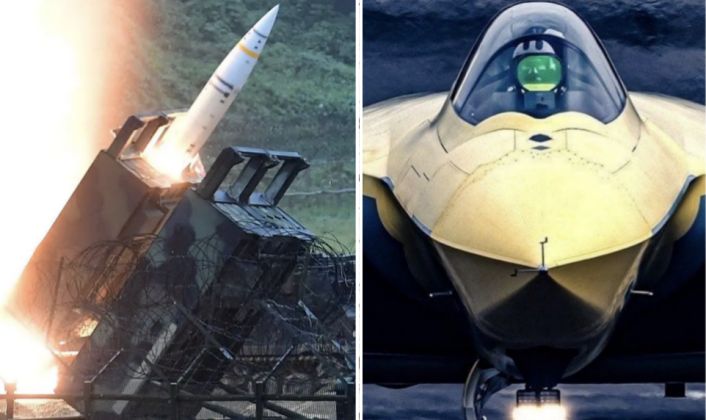
ATACMS Launch and Chinese J-20 Stealth Fighter
People’s Republic of China (PRC) military spokesman Jiang Bin has implied a threat of “annihilation” for forces that attempt to use U.S.-supplied ATACMS ballistic missile systems to launch strikes against Chinese territory, following multiple reports that the Republic of China Armed Forces, which remain in a state of civil war with the PRC, will deploy the missiles to the islands of Penghu and Dongyin. Dongyin, the northernmost island of the Matsu archipelago in the East China Sea, is located less than 10 kilometres from the mainland coast of China, leading missile deployments there to be perceived as a particular threat by Beijing. Bin warned that speculation that ATACMS could be used for preemptive strikes on the Chinese mainland was “increasingly absurd and overconfident,” stressing that such notions were propagated by separatist elements within the Republic of China, and warning they risk provoking a war and would “suffer certain annihilation” if a conflict arose.
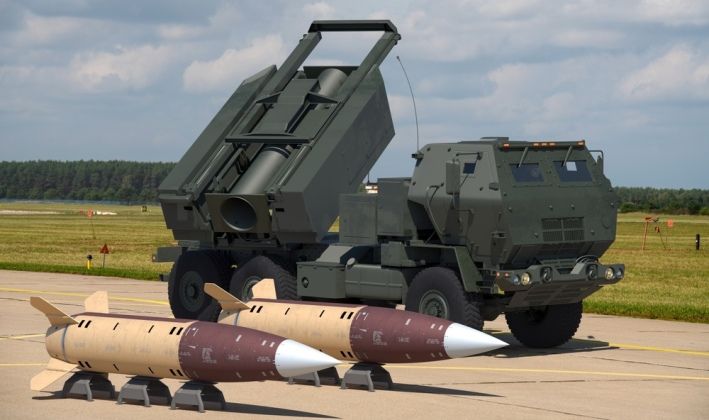
Reports by Taipei-based media outlets have indicated that the Republic of China Ministry of National Defence’s decision to increase its procurements of HIMARS systems, which can integrate ATACMS, to a total of 111 units, was taken specifically with the decision to deploy them to forward islands in mind. The Republic of China Armed Forces’ ballistic missile deployments have recently gained significantly greater geopolitical significance due to the U.S. Armed Forces’ obtaining of new authority to coordinate the Forces’ arsenals. The establishment of a Joint Firepower Coordination Centre by the Republic of China Ministry of National Defence in late January saw U.S. personnel permanently stationed at the facility in Taipei to oversee planning and potential use of local missile forces. The Centre provides “U.S. assistance and supervision” when using missile arsenals, and allows the Republic of China Armed Forces to receive intelligence from the U.S. Joint Digital Firepower System.
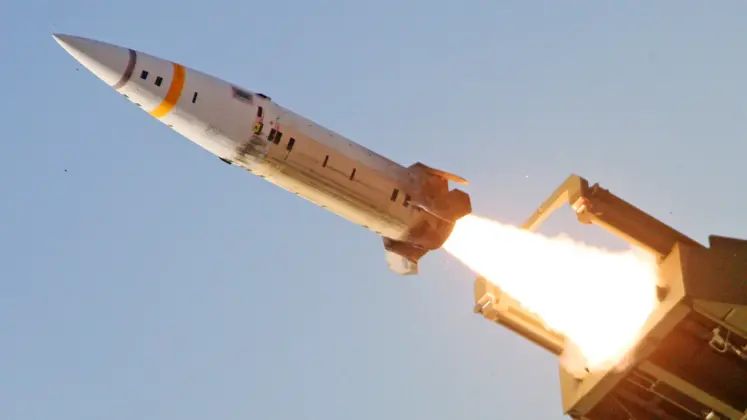
The Joint Firepower Coordination Centre allows U.S. forces to select targets and finalise attack plans jointly with local forces, potentially allowing strategic targets such as critical infrastructure to be targeted kinetically, in line with U.S. and broader Western bloc interests in weakening the Chinese state and setting back its development. Each ATACMS has a range of up to 300 kilometres, and follows a ballistic trajectory with high supersonic speeds to strike targets within minutes of launch. Each carries a warhead weighing approximately 230 kilograms, which although relatively light for a tactical ballistic missile, can destroy hardened targets using penetrative warheads, and cause mass destruction when launched against civilian targets using cluster warheads.

When deployed in the Taiwan Strait, ATACMS are expected to be highly valued by the U.S. Armed Forces for both strategic and tactical roles, potentially allowing major People’s Liberation Army Air Force bases to be taken out of action while destroying billions’ of dollars worth of high value aircraft. Strikes also have the potential to seriously disrupt logistics and command networks, allowing them to have a strategic impact even when not used against civilian targets. Potential targets could include the Dongqiao Economic and Technological Development Zone, the Dongshan Economic and Technological Development Zone, some of the world’s leading centres for the production of photovoltaic and new glass materials, and related energy infrastructure. Supplying ATACMS to the Republic of China Armed Forces for forward deployment using targeting data and support from the United States provides Washington with a means of potentially destroying key targets on the Chinese mainland by proxy, closely mirroring the support provided to Ukraine to similarly strike sensitive targets in Russia with the same systems and similar levels of support. Much as is the case in the Taiwan Strait, Western advisers in Ukraine have reportedly retained the authority to select targets and input coordinates for missile strikes, ensuring that target selection decisions can be made in line with Western Bloc interests.
