
U.S. ATACMS Ballistic Missiles Deploying on Dongyin Island 16km From Chinese Mainland’s Coast
Military Watch Magazine Editorial Staff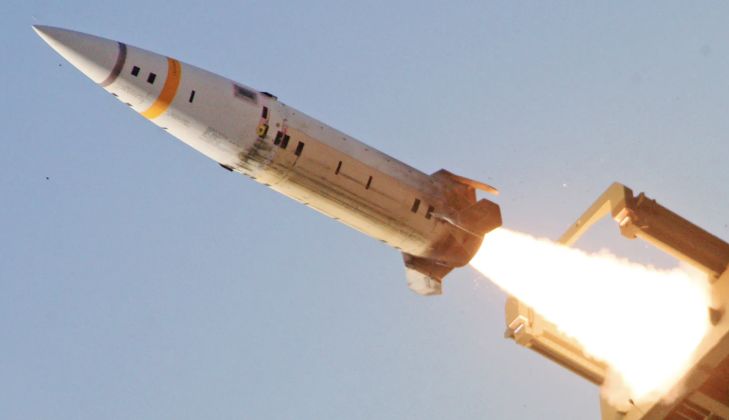
ATACMS Ballistic Missile Launch
Reports from multiple sources in Taipei indicate that the Republic of China Army is planning to deploy M142 HIMARS rocket artillery systems equipped with ATACMS ballistic missiles to the islands of Penghu and Dongyin, extending their strike ranges deeper into the territory of the Chinese mainland. The Army Command stated that this will strengthen the effectiveness of its "kill chain.” Local media reports suggest that the Republic of China Ministry of National Defence’s decision to increase its procurements of HIMARS systems to a total of 111 units was taken specifically with the decision to deploy them to forward islands in mind. The Republic of China based in Taipei remains in a state of civli war with the internationally recognised People’s Republic of China based in Beijing, with both claiming to be the sole legitimate Chinese governments. The former has continued to rely outstandingly heavily on political support and military supplies from the United States.
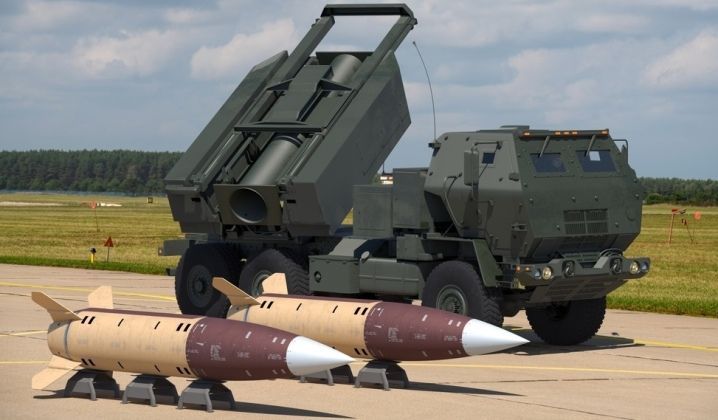
Dongyin, the northernmost island of the Matsu archipelago in the East China Sea, is located less than 10 kilometres from the mainland coast of China. It is one of the closest Republic of China controlled territories to the Chinese mainland. Ballistic missile deployments to the island would represent an unprecedented escalation, and place key industrial targets across much of Fujian province within range. Missile deployments by the Republic of China Armed Forces have recently gained greater geopolitical significance due to the U.S. Armed Forces’ gaining of new authority to coordinate the Forces’ ballistic and cruise missile arsenals. The establishment of a Joint Firepower Coordination Centre by the Republic of China Ministry of National Defence in late January saw U.S. personnel permanently stationed at the facility in Taipei to oversee planning and potential use of local missile forces.
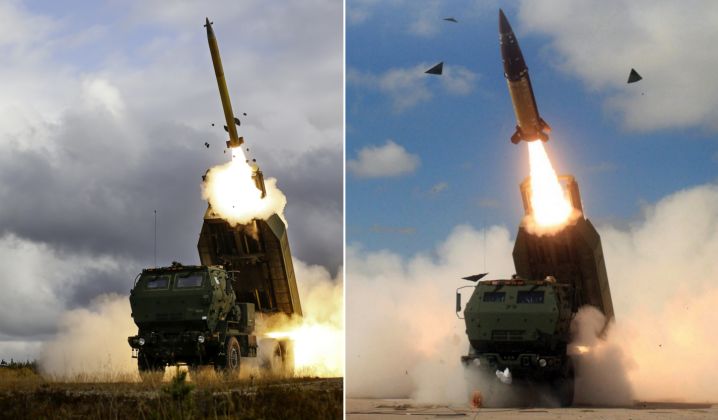
According to local analysts, the establishment of the Joint Firepower Coordination Centre provides “U.S. assistance and supervision” when using missile arsenals, and allows the Republic of China Armed Forces to receive intelligence from the U.S. Joint Digital Firepower System. Most significantly, it allows U.S. forces to select targets and finalise attack plans jointly with local forces, potentially allowing strategic targets such as critical infrastructure, and research centres in technology areas which the Western world has tried to stifle through economic sanctions to be targeted kinetically. Washington has taken steps to strengthen the ATACMS ballistic missile arsenal in the Taiwan Strait, and in December 2025 approved a $11.1 billion arms sale that included the transfer of 420 more of the missiles. The first batch of 11 launchers were delivered in November 2024, after which the first unit equipped with them was formed in early July 2025.
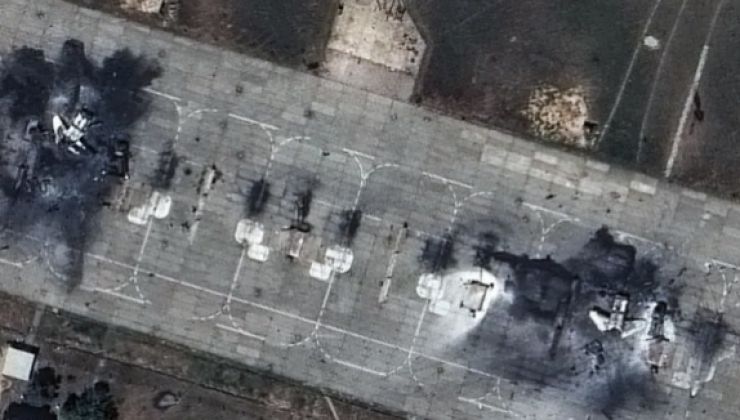
The United States has achieved considerable successes in destroying strategic and tactical targets in Russia by supplying ATACMS to the Ukrainain Army, and providing both personnel support on the ground, and targeting and intelligence support, raising concerns that there could be a similar intention to use the systems in the Taiwan Strait to cause mass destruction on the Chinese mainland. Examples of successes achieved using ATACMS have included the destruction of launchers and radars from S-400 air defence systems, the destruction of other radar systems, the neutralisation of Russian Iskander-M ballistic missile launchers, and the destruction of high value combat aircraft on their runways. Strikes have also been launched against strategic targets, including those related to the Russian energy industry.

Facing the threat of ballistic missile attacks, the Chinese People’s Liberation Army has developed what is widely regarded as the world’s most capable multi-layered anti-missile networks, which is built around a wide range of advanced and complementary assets deployed both on land and at sea. In September 2025 it was confirmed that the new HQ-29 anti-ballistic missile system had entered service, which is the world’s only mobile system with the ability to shoot down intercontinental range ballistic missiles other than the Russian S-500 and A-235. The HQ-19 has provided a second high tier anti-missile capability below the HQ-29, broadly comparable to that of the American THAAD system, which is optimal for intercepting intermediate range ballistic missile attacks.
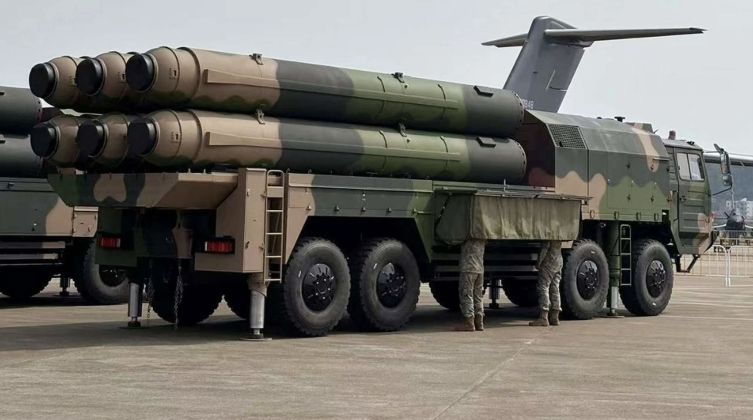
The HQ-9 forms a tier below the HQ-19 this as a standard long range air defence system broadly analogous to the Russian S-400 and American MIM-104 Patriot. The ATACMS has proven vulnerable to being shot down by less capable air defence systems deployed by Russia, despite the much wider frontier for attacks from Ukraine dispersing Russian defences in ways that attacks by Republic of China forces cannot. The strengths of the mainland’s defences, and of its precision strike capabilities to neutralise launchers on the ground, are among the factors that are expected to limit the damage that can be caused by ATACMS attacks.
