U.S. Approves Sales of M109 Mobile Artillery, Javelin and TOW Anti-Tank Missiles to the Republic of China Army
Military Watch Magazine Editorial Staff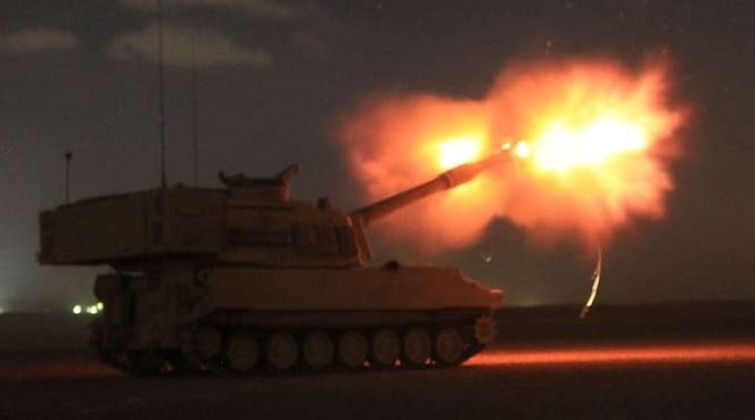
M109A7 Self-Propelled Howitzer
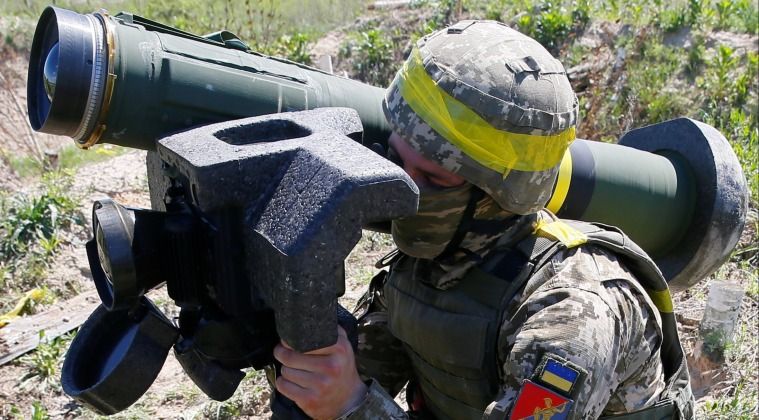
The Republic of China Ministry of National Defence has confirmed that the U.S. government has provided draft Letters of Offer and Acceptance or three arms sales, including the sale of M109A7 self-propelled howitzers, and both BGM-71 TOW and FGM-184 Javelin anti-tank missiles. The letters are valid until March 15, and the first instalment payment must be made by March 31, with the Ministry having stated that it will seek an extension to avoid cancellation. The Ministry in July 2025 announced plans to procure 168 M109A7 howitzers, representing a substantial increase from the previous plan which would have seen just 40 ordered. There has been speculation that these would replace the Army’s approximately 108 Vietnam War era M108 105mm mobile howitzers, although they may instead by intended to allow for further expansion of overall artillery forces.
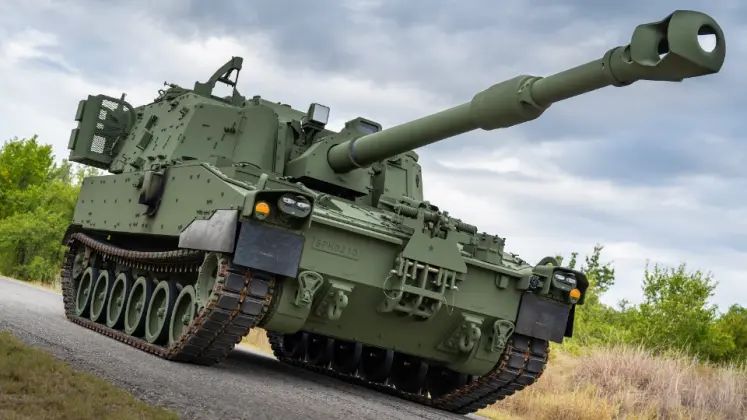
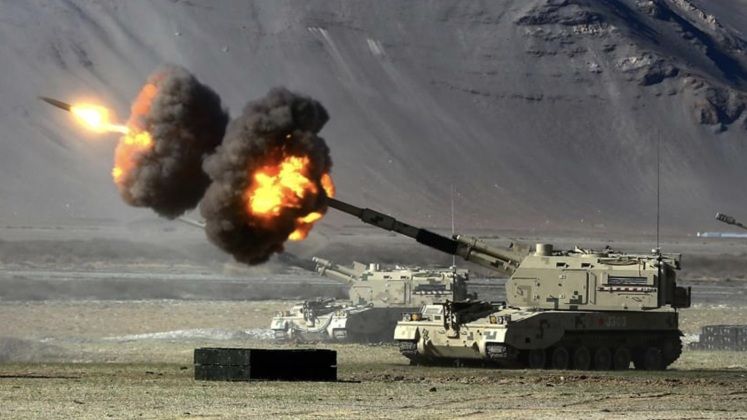
The Republic of China Army currently fields approximately 490 self-propelled howitzers, including 225 M109A2 and M109A5 guns. The service further fields over 1000 towed howitzers. The M109A7 has a number of improvements over the M109A5, including a new chassis, engine, transmission, running gear derived from the M2 Bradley infantry fighting vehicle, and an updated turret and fire controls. Its performance nevertheless remains limited particularly compared to other more modern self-propelled howitzers designs, most notably the South Korean K9 which is rapidly proliferating among NATO members, the Chinese PLZ-05 and SH-16, and even the Russian 2S35 Koalitsiya-SV, all of which are newer designs with far longer engagement ranges and higher rates of fire. The United States Armed Forces has invested less heavily in bringing its self-propelled artillery to the latest standards, possibly due to the much more limited role which such assets have played in post-Cold War era doctrine, as air power is relied on far more heavily to provide fire support.
The Republic of China’s lack of international recognition or of diplomatic ties with any significant arms producing countries has seriously limited its options for defence procurements, with the United States and Israel being the only countries willing to supply complex armaments. The procurement of the M109A7 howitzers coincides with the confirmation of plans to re-equip Republic of China Army reserve units with self-propelled artillery, as well as armoured vehicles and unmanned aircraft, as part of broader efforts to bolster their capabilities. While armour will be provided by local industry, namely CM-32/33/34 Clouded Leopard eight wheeled armoured vehicles, howitzers removed from frontline units by the procurement of the M109A7, such as the M108, may be reassigned to reserve units.