
U.S. Plans Withdrawal of THAAD Anti-Missile Systems From Korea as Iranian Strikes Cause Major Shortages in the Middle East
Military Watch Magazine Editorial Staff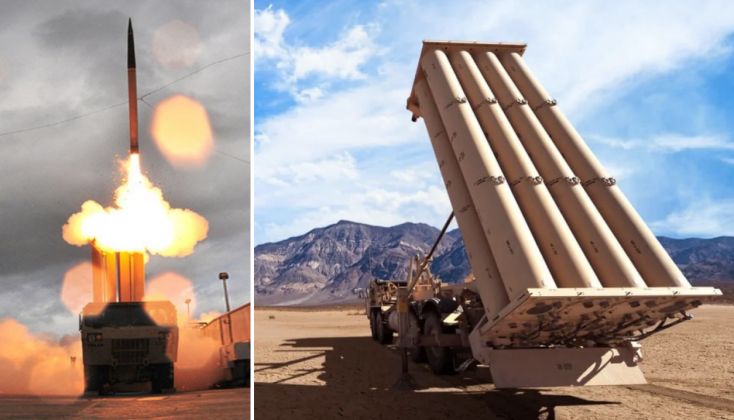
Launchers From THAAD Anti-Missile System
South Korean sources have widely reported that the United States Armed Forces are exploring contingencies for the withdrawal of high value long range air defence systems from the country for redeployment to the Middle East, following the initiation of a U.S. and Israeli assault against Iran on February 28. This would be far from unprecedented, with the U.S. Army between March and October 2025 having redeployed two MIM-104 Patriot long range air defence systems systems and approximately 500 personnel from South Korea to the Middle East, which reinforced defences at Al Udeid Air Base in Qatar, the Air Force’s largest overseas airbase. South Korean analysts speaking to local media outlets have widely concluded that such redeployments appear likely, while some unconfirmed reports from Western sources having indicated that anti-ballistic missile interceptors from the Patriot and THAAD systems have already been withdrawn from Korea to shore up stocks at Middle Eastern facilities.
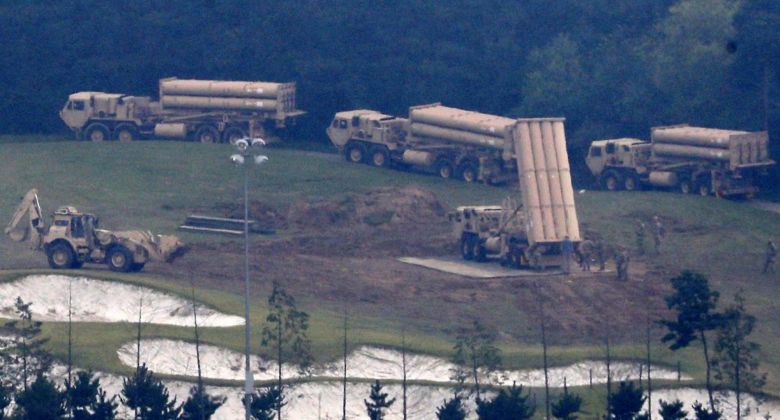
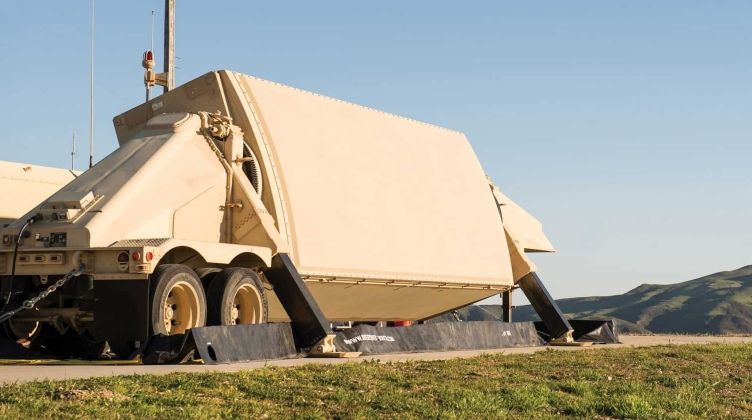
South Korea is the only foreign country that hosts a permanent foreign deployment of U.S. Army THAAD systems, which were initiated in 2016, and proved highly beneficial to the United States as it derailed the then highly positive relations between Seoul and Beijing. The system’s AN/TPY-2 radar has provided the capability to peer almost 3,000 kilometres into Chinese territory. South Korean security commentator and retired navy captain Yoon Sukjoon accordingly referred to the system as “part of the U.S.’ global anti-China united front... a strategic tool for containing China from one of the closest countries and one of the most trustworthy allies of the U.S.” Although it is more likely that the U.S. Army will withdraw only interceptors for THAAD systems to replenish stockpiles in the Middle East, the possible destruction of radars, command posts, or launchers by Iranian forces could result in these also being withdrawn from South Korea.
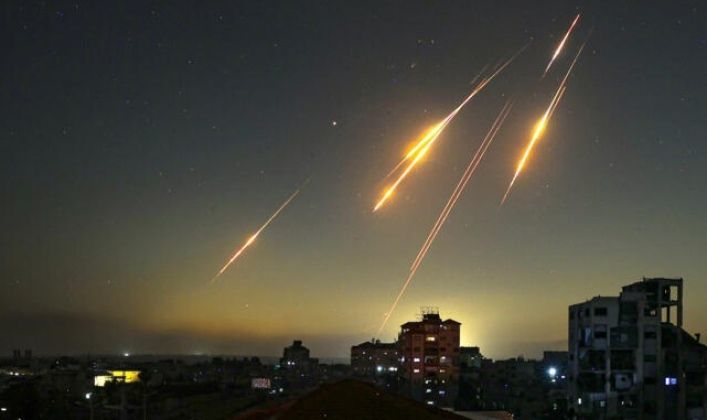
U.S. Army THAAD systems have been deployed to both Israel and Jordan to provide a missile defence capability against Iranian attacks. The system saw its first high intensity combat test from June 13-25, 2025, when used to blunt Iranian retaliatory strikes on Israel, after Israel initiated of a major air assault against Iran in on June 13. The U.S. Army expended over 150 anti-ballistic missile interceptors from the THAAD system during the conflict, representing over 25 percent of the Army’s total arsenal deployed around the world. Each interceptor launch costs approximately $15.5 million, with the defence of Israeli airspace using these systems for 11 days conservatively estimated to have cost over $2.35 billion. The rapid depletion of interceptors in June 2025 has made sustained missile defence operations appear far from feasible, and made the possibility of drawing down the number of interceptors in South Korea appear highly likely.
Alongside the THAAD system, the U.S. Army is also likely to send interceptors from Patriot missile systems to the Middle East, with the U.S. Armed Forces confirmed in July 2025 to have seen their supplies fall to just 25 percent of the volume deemed necessary by the Pentagon. The Patriot is a less costly system, with new generations of interceptors costing approximately $3.8 million, or around a quarter as much as those from the THAAD systems. It is optimised for intercepting short and medium range missile attacks, where THAAD engages targets at much higher altitudes and can engage strategic intermediate range missiles. Serious questions have been raised regarding the Patriot’s effectiveness, both in the ongoing conflict with Iran, and during all major prior conflicts in which it had been used. The withdrawal of THAAD and Patriot systems or their interceptors are not likely to significant affect the balance of power on the Korean Peninsula, with South Korean forces themselves fielding superior air defence capabilities.
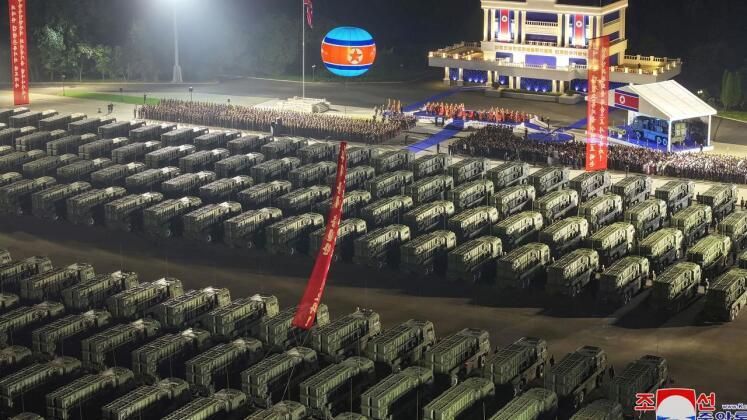
Both U.S. and South Korean systems are expected to be wholly incapable of significantly blunting a North Korean or Chinese strike due to the sheer scale and sophistication of their arsenals. Not only is North Korea’s arsenal much larger and more advanced than that of Iran, but the much shorter distances separating its territory from adversary bases allows it to saturate missile defences more easily with salvos of low cost short range missiles. North Korea has led the world in introducing hypersonic glide vehicles onto its missiles, including from 2025 onto a shorter ranged tactical missile type, while it is widely thought to have shared these technologies with Iran, which has in turn used them to considerable effect to bypass U.S. and Israeli missile defences.
