
Four Nuclear Weapons States Are Now At War with Iran: More NATO Members Joining U.S.-Led Assault
Military Watch Magazine Editorial Staff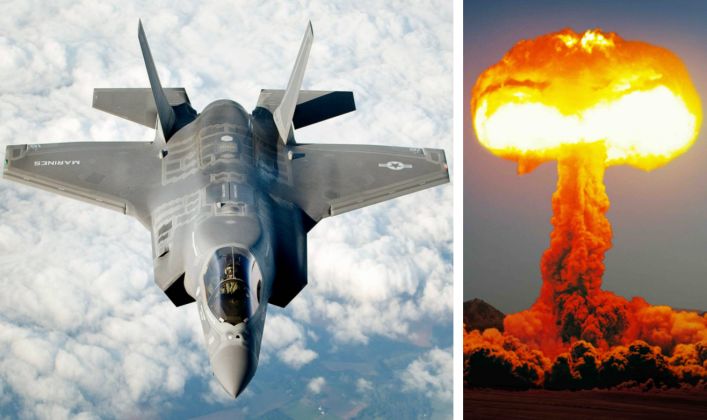
F-35 and Nuclear Explosion
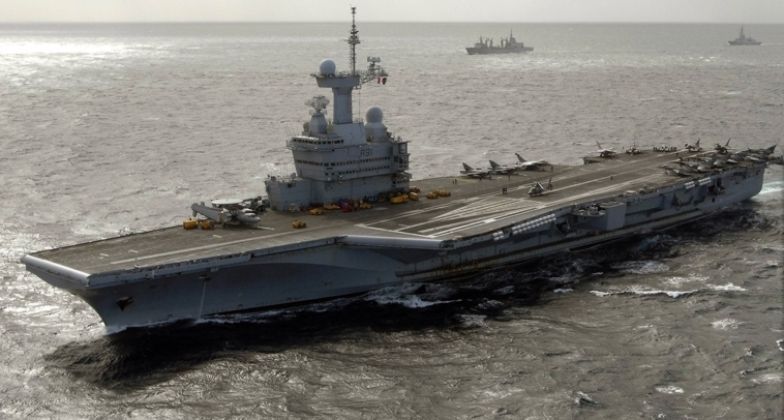
Following the initiation of high intensity U.S. and Israeli attacks on Iran, multiple further countries have joined operations, with Saudi Arabia, Qatar, Kuwait, the United Arab Emirates, and Bahrain, all having within the first few hours of the conflict activated local fighters and air defences to protect U.S. bases on their territories. France and the United Kingdom, which pre-positioned Rafale and Eurofighter combat jets in the United Arab Emirates and Qatar respectively, quickly deployed the aircraft to attempt to shoot down Iranian unmanned aircraft and loitering munitions launching strikes on U.S. bases in the two Gulf states, with British F-35B fighters based in Cyprus also contributing to air defence operations. The French Navy has dispatched its sole aircraft carrier, the Charles de Gaulle, to the Mediterranean to further strengthen the alliance air power against Iran, while the United Kingdom has dispatched the Type 45 class air defence destroyer HMS Duncan to provide further support.

As the United States and Israel have faced multiple setbacks in the initial stages of their campaign, projections regarding the length of the assault have continue to be revised, with the Pentagon having announced on March 4 that it is expected the conflict will take at least 100 days, and probably required operations until September. The U.S. Central Command has requested an expansion of its Tampa-based staff of intelligence officers to support operations in Iran until September, further indicating that the conflict is expected to last far longer than initially projected. Alongside France and the United Kingdom, a growing number of NATO members have indicated that they may soon join the war effort, with NATO Secretary General Mark Rutte having stated that the alliance is ready for the possible application of Article Five, regarding collective defence, in the U.S. operation against Iran.
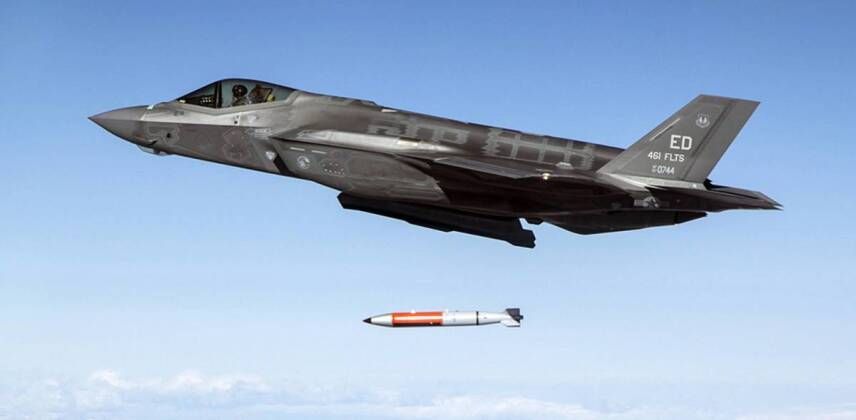
Canadian Prime Minister Mark Carney has stated that he does not rule out the participation of the Canadian armed forces in military actions against Iran, while German officials have similarly indicated that the country’s armed forces could soon intervene. Italy has since confirmed that it will support air defence operations in Gulf region, where local and U.S. air defence efforts have come under growing strain. Multiple NATO members states, including Germany and Italy, have wartime access to U.S. nuclear weapons under nuclear sharing agreements, providing multiple alliance members with room for escalation against Iran should the course of the conflict evolve too unfavourably. The Iranian Islamic Revolutionary Guard on March 5 announced that in the coming days, with growing numbers of adversary radar and air defence systems having been blinded, Iranian strikes will become more intense and larger in scale than before.
