
Qatar Scrambles World’s Most Advanced F-15 Squadrons to Protect Key U.S. Airbase From Iranian Strikes
Military Watch Magazine Editorial Staff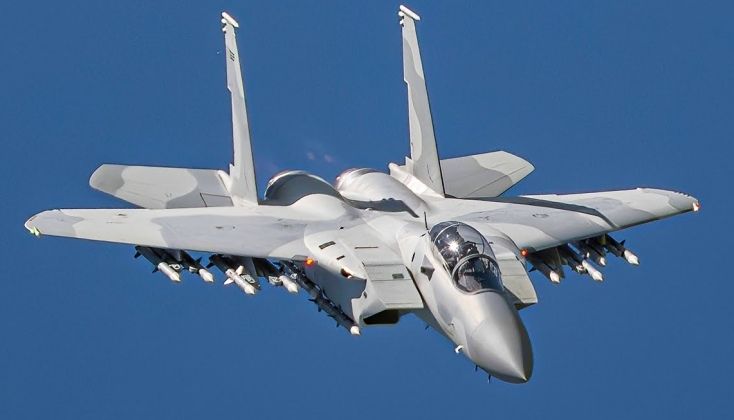
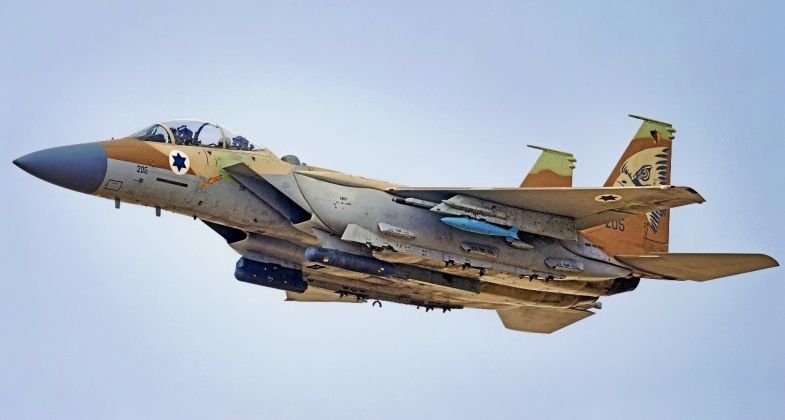
Qatari Air Force F-15QA Fighter
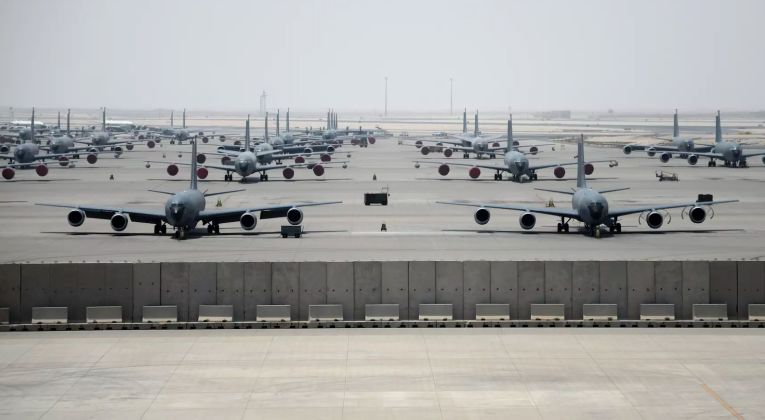
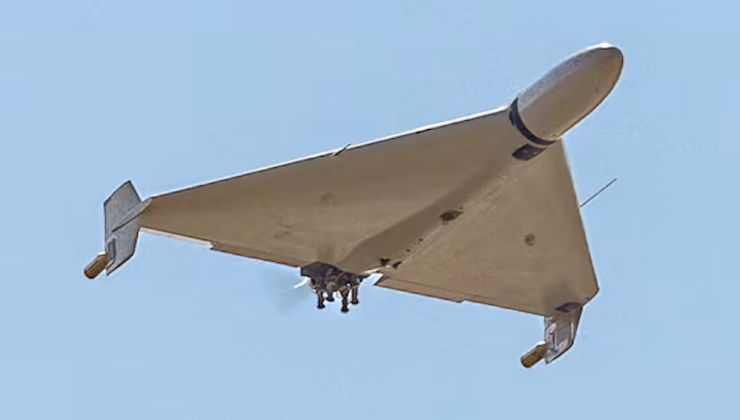
Following the initiation of U.S. and Israeli attacks on a wide range of Iranian targets, and Iran’s launching of retaliatory strikes against Israel and U.S. military facilities across the region, the Qatari Air Force has reportedly scrambled F-15QA fighters to intercept attacks. The Qatari Defence Ministry reported regarding its operations: "Our fighter jets repelled air attacks, including drones and cruise missiles launched from Iran." Designated a Major Non-NATO ally of the United States, Qatar hosts by far the largest U.S. military facility in the Middle East, Al Udeid Air Base, which hosts the forward headquarters of U.S. Central Command (CENTCOM), and has hosted up to 10,000 U.S. Armed Forces personnel.
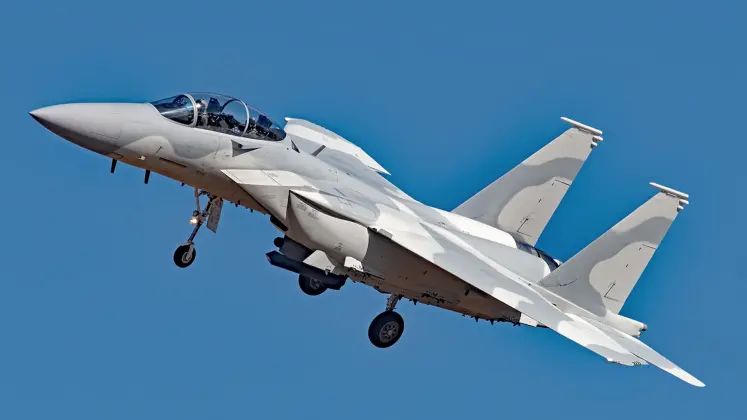
Footage taken at Al Udeid Air Base on February 28 has interceptor missiles launched by MIM-104 Patriot long range air defence systems repeatedly failing to shoot down incoming Iranian ballistic missiles, raising further questions regarding the defences at the facility. Qatari F-15s have some of the most advanced air defence capabilities of any Western fighter type, with by far the longest ranges and largest radars of any modern Western produced tactical combat jets, which they pair with advanced data links and high missile carrying capacities. While the F-15QAs are likely to provide a potent defence against drone and cruise missile attacks, however, their viability for intercepting ballistic missiles is likely to remain negligible, with the AIM-120 air-to-air missile they integrate as their primary air-to-air weapon lacking the speed or general flight performance characteristics needed to engage such targets.
The Qatari F-15QA has a significant advantage over U.S. Air Force variants due to its integration of fly-by-wire controls, which significantly improved the aircraft’s flight performance and its maximum weapons load. Qatar currently fields 36 of the fighters, which were procured under a $12 billion, placing the cost of the aircraft at $333.3 million. This makes them some of the most costly fighters ever sold. By contrast, Israeli orders for F-35I fighters have cost only around $120 million per aircraft, highlighting the much higher prices which Arab states have often been charged for equipment compared to Israel and NATO allies. Qatar and Israel have long maintained a significant strategic partnership, and cooperated particularly closely alongside Turkey and other NATO members in operations to topple the Syrian government from 2011-2024. Qatar and Israel held their first joint air force exercises in early 2025.
The failure of the U.S.-supplied air defence systems at Al Udeid Air Base closely coincides with confirmation that Iranian strikes destroyed key air defence radars at the facility. This follows a similar failure of the Patriot system during much lower intensity Iranian retaliatory strikes, which were launched with prior warning, in June 2025. The state of air defences, and the very limited available arsenal of anti-missile interceptors available, has raised questions regarding whether Qatar, the United States and the United Kingdom will be able to sustain operations from there. This has significant implications for the future operations of the F-15QA fleet. Should Qatari F-15s remain operational, it is expected that beyond air defence operations, they may also support U.S.-led air strikes against Iran, with their offensive capabilities far surpassing those of fighter types in the Israeli Air Force and most U.S. Air Force fighter types.
