
Mass Use of High Value Missiles Against Iran Threatens U.S. Forces’ Warfighting Capabilities For Years
Military Watch Magazine Editorial Staff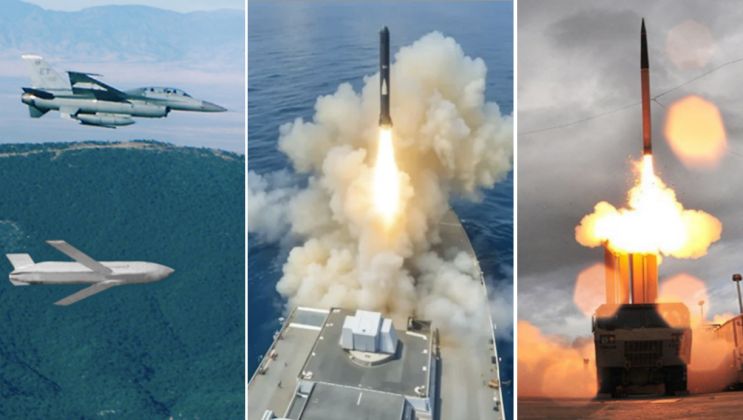
U.S. JASSM, Tomahawk and THAAD Launches
Since the United States and Israel launched large scale attacks on Iran on February 28, the U.S. Armed Forces have expended highly value munitions on a wholly unprecedented scale, raising serious questions regarding the implications for the country’s future war fighting capabilities. Iran’s sustained air defence capability has limited the ability of hostile aircraft to operate deep inside its territory, with costly U.S. and Israeli unmanned aircraft such as the respective MQ-9 Reaper and Heron having suffered heavy losses when undertaking high risk operations far inside Iranian territory. This has prevented U.S. and Israeli aircraft from relying primarily on low cost gravity bombs to strike targets, meaning high cost missiles launched from the air, from on land, and from at sea are more heavily depended on to strike targets from safer distances.
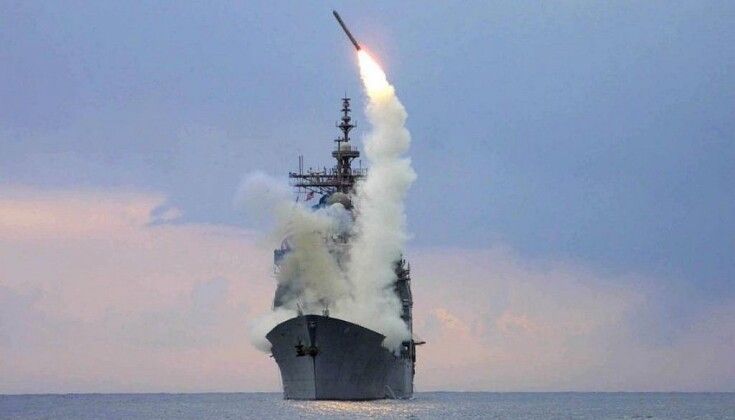
Analysts have estimated that the U.S. launched attacks on more than 6,000 Iranian targets in the first 10 days of attacks, almost all using costly beyond visual range weaponry, while also firing at estimated more than 2000 anti-ballistic missiles to intercept Iranian counter strikes. Director of the Missile Defense Program at the Center for Strategic and International Studies (CSIS) Tom Karako has been among several to warn that while the Pentagon claims its stockpiles are sufficient for current operations, the continued high-rate expenditure is putting pressure on the U.S. Armed Forces’ long-range weapons inventory. He pointed out that the United States' failure to maintain sufficient missile stockpiles over the past few years has now forced massive depletion in the war, putting military planning officials at risk of running out of ammunition.
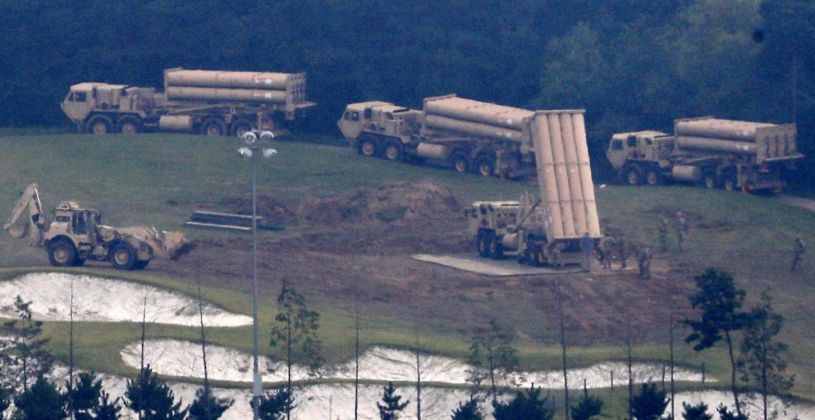
Karako warned that the U.S. Armed Forces existing stockpile of precision ammunition was originally built to prepare for potential conflicts in the Pacific region, namely against China and North Korea. If a continued conflict in the Middle East depletes these stockpiles, it could seriously undermine the U.S. force posture in the strategically critical Western Pacific. He noted that avoiding ammunition shortages requires swift action from Congress and the Pentagon to replenish the ammunition replenishment budget. The ongoing war effort is further demonstrating a considerable cost asymmetry, with Iran's extensive use of relatively inexpensive drones and missiles forcing the U.S. and its strategic partners to employ highly costly surface-to-air missiles for interception. The asymmetric is also tactical, as Iran’s stockpiles of low cost offensive weapons exceed adversaries’ stocks of interceptors by orders of magnitude.
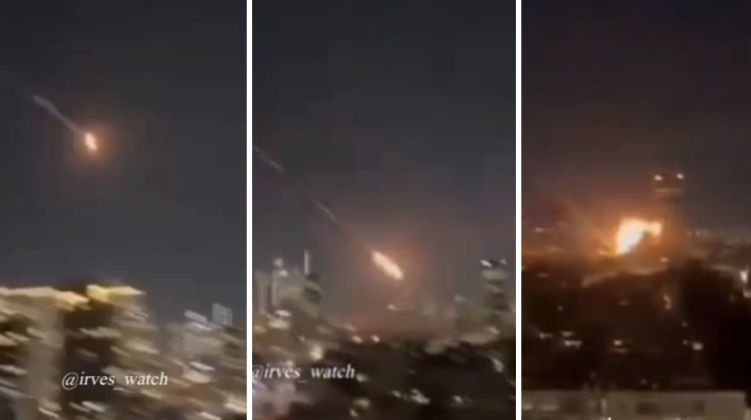
The depletion of U.S. inventories of anti-ballistic missiles from the AEGIS, THAAD, and Patriot systems, and precision strike missiles such as the Tomahawk and ATACMS, has occurred at a time when the Pentagon is suffering immense strain on its budget, as Cold War era equipment such as E-3 AWACS, KC-135 tankers, and F-15C/D fighters are all urgently in need of replacement. The rapidly advancing capabilities of China’s conventional forces has further made it vital to accelerate the modernisation of U.S. frontline units, particularly in the Pacific, in order to avoid a wide technological disadvantage. Programs such as the F-47 fighter, B-21 bomber, and Block 4 upgrades for the F-35 fighter, have imposed tremendous costs, but are considered vital. The expenditure of tens of billions of dollars worth of munitions, however, may force the Pentagon to choose between replenishing stockpiles, and maintaining funding for modernisation and new weapons programs.
