
Japanese Audit Reveals Major Delays to U.S. Arms Deliveries Are Placing Defences At Risk
Military Watch Magazine Editorial Staff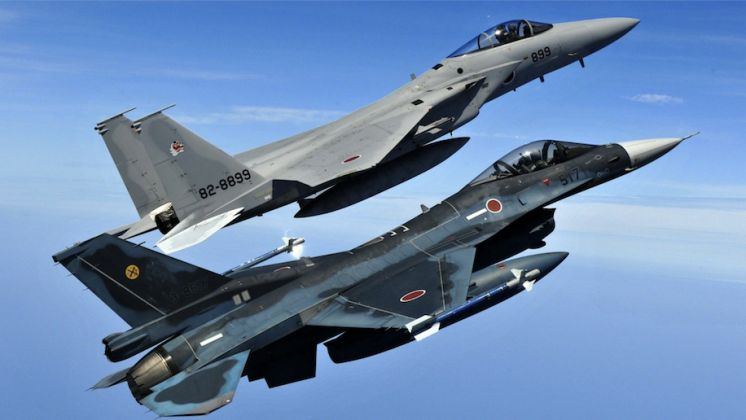
Japanese F-15 and F-2 Fighters
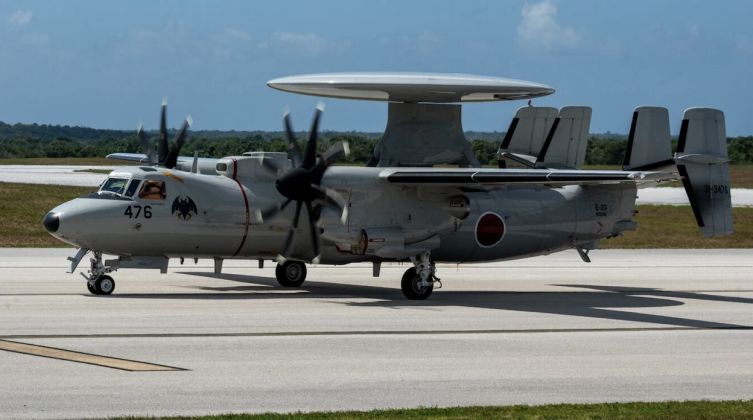
The Japanese government Board of Audit has revealed that military equipment worth approximately 1.1 trillion yen ($6.9 billion) purchased from the United States under the Foreign Military Sales program more than five years ago has yet to be delivered to the Japan Self-Defense Forces. Among contracts signed since Fiscal Year 2018, 118 procurement cases remained incomplete far beyond their original delivery schedules, primarily due to issues with manufacturers in the United States. This has forced several Japanese military units to continue operating older equipment beyond their planned retirement dates. An example has been delays to the delivery of critical maintenance equipment for the E-2D Advanced Hawkeye airborne early warning and control (AEW&C) system, which is years behind schedule, directly affecting the Self Defence Forces’ ability to maintain situational awareness around Japanese territory.
The report by the Board of Audit noted that under the Foreign Military Sales system, delivery dates listed in contracts are only estimates and are not legally binding, which prevents Japan from enforcing timelines once contracts are signed. In many cases, the United States unilaterally modified delivery schedules through administrative procedures without requiring Japanese approval. Japan had already paid the full contract amounts for most of the delayed equipment, as the Foreign Military Sales system requires advance payment before production. Funds have in many cases remained unsettled for years, while equipment has neither been delivered nor formally canceled, which the Board of Audit noted created long-term financial exposure and operational risk for the Self-Defense Forces.
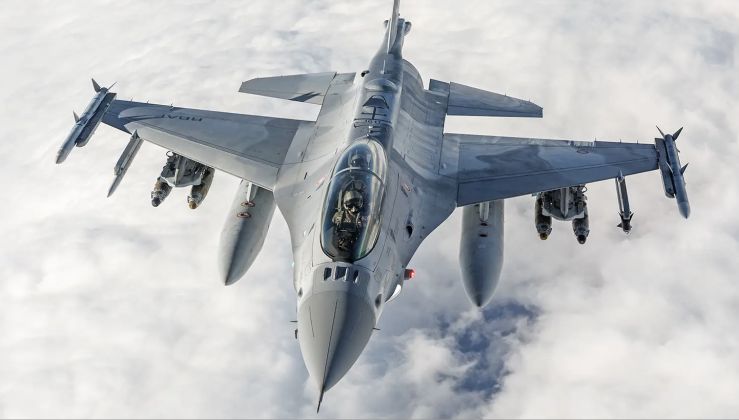
Japan’s case has been far from isolated, with the Republic of China Armed Forces based on neighbouring Taiwan having seen their capabilities undermined to an even greater extent by major delays to equipment deliveries by the United States. The Republic of China Ministry of National Defence in October raised concerns over the delayed delivery of 66 F-16C/D Block 70 fighter fighter aircraft, which were ordered under an $8.2 billion contract in 2019 and initially expected to complete deliveries in 2027. Premier Cho Jung-tai stated that the government did not rule out “taking legal action against the manufacturer,” although noting that the deal was executed under the Foreign Military Sales system which did not provide for direct compensation claims. Major delays to U.S. arms supplies have caused a major scandal in Taipei, with backlogs having exceeded $21 billion.
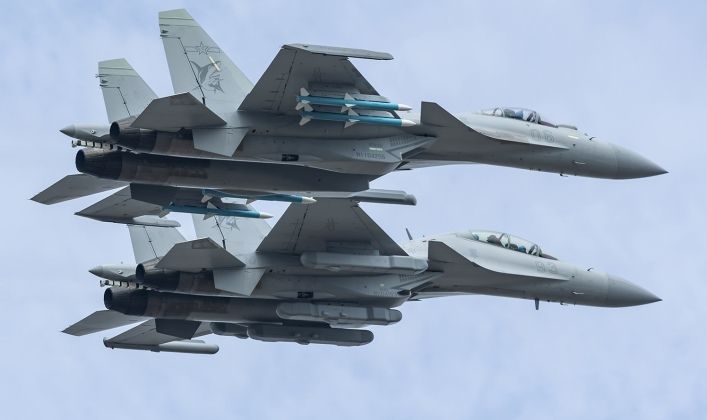
The report by the Japanese government Board of Audit highlighted structural problems within the Foreign Ministry Sales system, as contracts are managed by the U.S. government without Japan being a direct party, preventing it from directly negotiate with manufacturers, and thereby limiting transparency over production schedules. The report confirmed that the Japanese Ministry of Defense had raised concerns with U.S. authorities multiple times, but achieved little in doing so. It further warned that Japan’s growing reliance on U.S.-made military equipment has left its forces more vulnerable to the fallout from major delivery delays. It noted that by forcing units to keep aging equipment in service longer than planned, they suffered from increased maintenance burdens and reduced operational efficiency. The report closely follows a reported rise in concerns regarding the obsolescence of Japan’s military equipment, after the country’s F-15 fighters, which form the backbone of the country’s tactical combat fleet, proved to be overwhelmingly outmatched by Chinese J-15B fighters during two engagements in December.
