
U.S. Continues to Delay Arms Deliveries to Re-Equip Republic of China Forces: Backlog Crosses $21 Billion
Military Watch Magazine Editorial Staff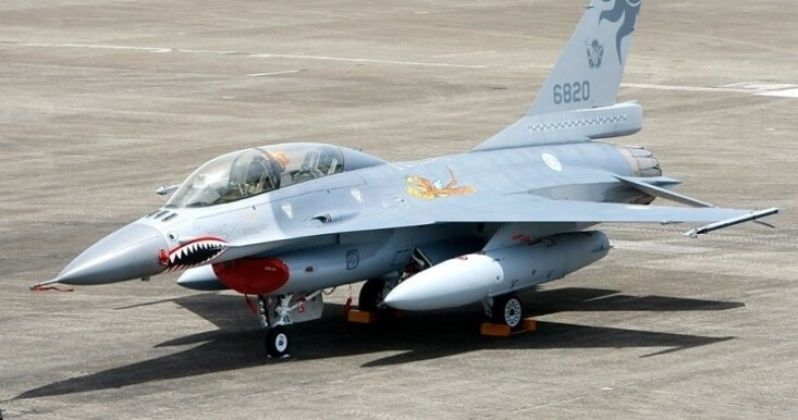
Republic of China Air Force F-16B
New data from the Taiwan Arms Sales Backlog Tracker has provided an indication of the major delays in arms supplies to the Republic of China Armed Forces, with outstanding backlogs having reached over $21.45 billion. Senior officials in the Republic of China government in a recent legislative questioning confirmed delays in weapons systems deliveries from the United States, which were originally scheduled for 2025, including F-16 Block 70 fighters, AGM-154C glide bombs, and MK-48 heavy torpedoes. Delays to the delivery of F-16s have drawn particularly harsh criticisms, with the aircraft ordered in 2019 originally scheduled for delivery beginning in 2023. Although Air Force Chief of Staff Li Ching-ran expressed "optimism" in June 2025 that at least 10 aircraft would arrive before the end of the year, however, only one fighter has been delivered out of a total of 66 ordered.
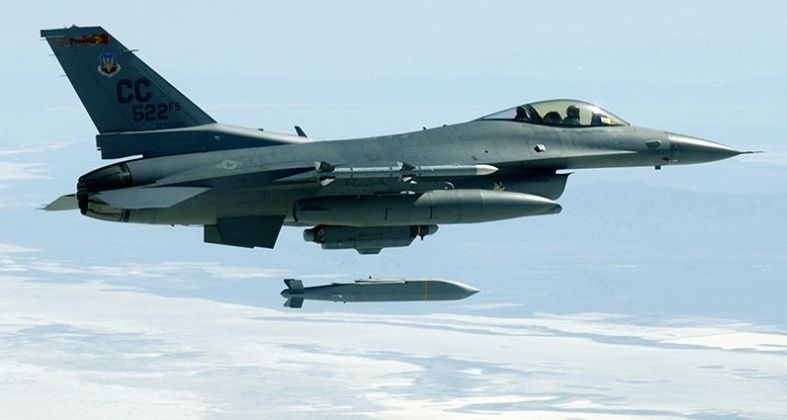
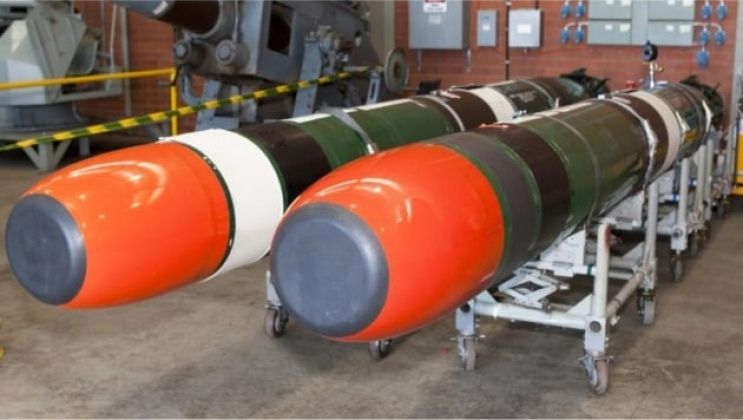
Although the U.S. Congress was notified in 2017 regarding the Republic of China Ministry of National Defence’s intention to procure AGM-154C glide bombs, the contract was not formally signed until February 2024, amounting to a delay of nearly seven years. Despite Congress having been notified in 2017, and again in 2020, regarding Chinese interest in procuring MK-48 heavy torpedoes, progress approving the sale was slow. After sales were approved, it was original planned that 46 torpedoes would be delivered, before this figure was cut to just 24. The torpedoes are expected to be delivered only in 2027 and 2028, which has negatively affected the testing schedule of the Hai Kun class submarine program intended to re-equip the Republic of China Navy.
The Republic of China Ministry of National Defence has been highly constrained in its options for defence procurements, with the government’s lack of international recognition or diplomatic relations with all but twelve minor countries leaving most arms suppliers unwilling to equip its forces. The Republic of China government remains in a state of civli war with the internationally recognised People’s Republic of China government on the Chinese mainland, with both claiming to be the sole legitimate representatives of the Chinese nation. The Taipei government’s lack of alternatives to the United States as an arms supplier is considered a leading factor that has allowed Washington to delay supplies and deny access to certain types of equipment, such as the more advanced F-35A fifth generation fighter, which resulted in orders being placed for the less capable F-16.
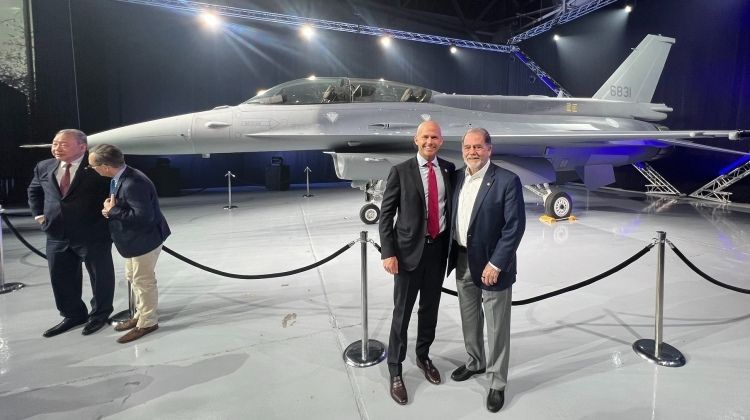
The Republic of China Ministry of National Defence in October raised concerns over the delayed delivery of its F-16 fighters, the last of which were initially intended to be delivered in 2027, but may now only arrive in the country in the early 2030s. Responding to the delays in deliveries, Premier Cho Jung-tai stated that the government did not rule out “taking legal action against the manufacturer,” but noted that the $8.2 billion procurement deal was executed through the U.S. Foreign Military Sales process which did not provide for direct compensation claims. Previously Air Force Chief of Staff Lieutenant General Lee Ching-yen told the Foreign Affairs and National Defence Committee that the cause of delays was “supply chain disruptions, workforce shortages at Lockheed Martin, and hardware-software integration testing.” He added that the ministry was reassessing the overall schedule and adjusting payment milestones to ensure payments were not made for undelivered equipment.
