
Footage Confirms Iranian Drone Strike Took Out U.S. Army’s Most High Value Air Defence Radar From THAAD System
Military Watch Magazine Editorial Staff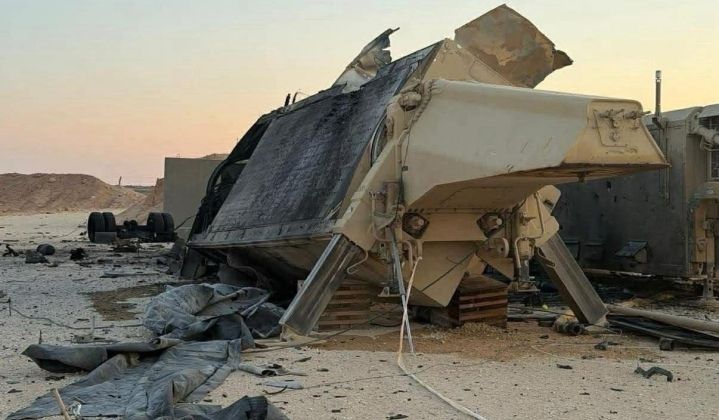
AN/TPY-2 Radar From THAAD System Destroyed in Engagements with Iranian Forces
Following the release of satellite images indicating that the AN/TPY-2 X-band mobile radar system from the U.S. Army THAAD anti-ballistic missile system had been destroyed in an Iranian drone strike, an anonymous individual on March 7 posted photos providing confirmation, showing the radar destroyed. The radar system was stationed at Muwafak Salti Air Base in Jordan. The destruction of the radar is expected to significantly reduce the utility of THAAD systems to provide defence against Iranian missile attacks. The destruction of the AN/TPY-2 follows the successful targeting of multiple missile defence radar systems operated by the U.S. and its strategic partners in the Middle East, including a AN/FPS-132 Block 5 early warning radar located near Al Udeid Air Base in Qatar. The radar feeds targeting information to regional air- and missile-defence systems, including THAAD systems in Israel and Jordan.
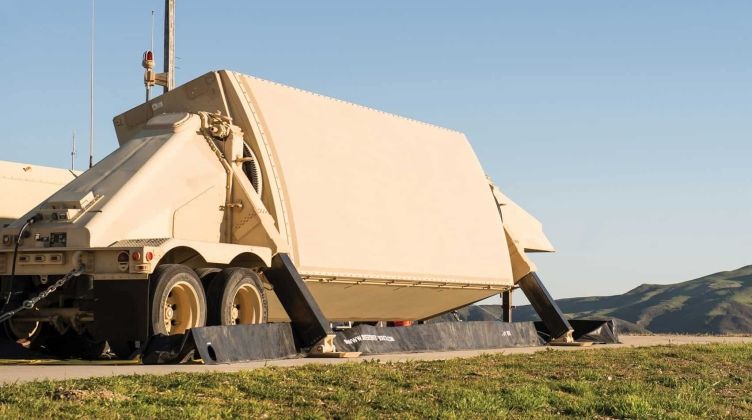
Chinese commercial satellite imagery from the MizarVision satellite company first confirmed the deployment of a U.S. Army THAAD system at Muwaffaq Salti Air Base in Jordan in mid-February, as part of a much broader military buildup intended prepare for the initiation of a U.S. and Israeli assault against Iran on February 28. Unlike Russian air defence systems such as the S-400, which deploy multiple complementary radar types often reaching half a dozen, Western air defence systems including THAAD rely on just a single radar. Thus without the AN/TPY-2, a THAAD battery cannot independently search for or track targets. It can still fire interceptors, but only under certain conditions and with much reduced effectiveness, namely by relying on external sensors, which significantly educes external coverage.
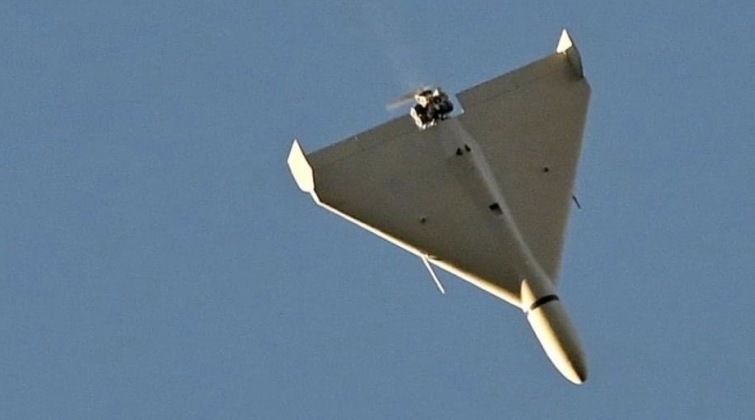
The Iranian Islamic Revolutionary Guard Corps is expected to continue to target key air defence radars operated by the U.S. and its strategic partners across the Middle East, which the United States may struggle to replenish. The redeployment of THAAD systems from South Korea, the only location in the world where permanent foreign deployments have been made, are underway, with the systems otherwise already being heavily concentrated in Jordan and Israel. Cost estimates for the AN/TPY-2 have ranged from $550 million to $1 billion, which may depend on its configuration and support packages, making it the most most valuable air defence radar operated by the U.S. Army. The fact that the radar was reportedly destroyed by single use attack drones, which costs approximately $20,000-60,000 dollars depending on the model, highlights a major point of vulnerability in U.S. missile defence capabilities.
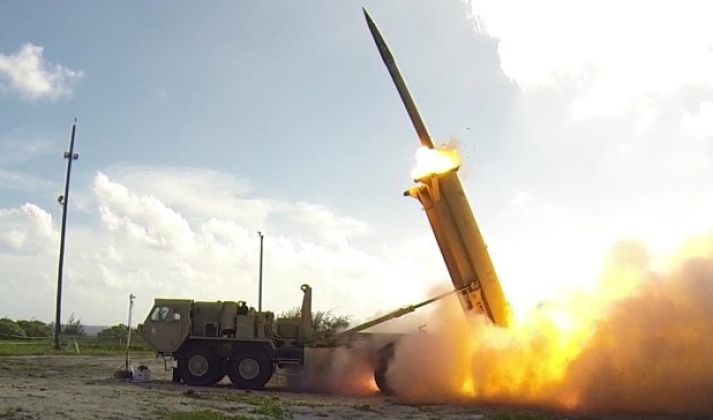
The U.S. Army currently deploys just eight THAAD systems worldwide, which first saw high intensity combat test from June 13-25, 2025, after Israel launched high intensity attacks on the country. The U.S. Army expended over 150 anti-ballistic missile interceptors from the THAAD system to intercept Iranian ballistic missile attacks during the 12 day conflict, depleting over 25 percent of its total global arsenal. Each THAAD interceptor launch costs approximately $15.5 million, with the defence of Israeli airspace using these systems for 11 days is conservatively estimated to have cost over $2.35 billion. The much higher intensity of Iranian strikes since the country was attacked on February 28, 2026, is likely to have depleted the interceptor arsenal considerably faster, which presents a further significant and long term challenge to U.S. missile defence efforts beyond the destruction of radar systems.
