
1,000 Tomahawks Fired: Pentagon Alarmed By Extreme Depletion of Cruise Missile Arsenal During Strikes on Iran
Military Watch Magazine Editorial Staff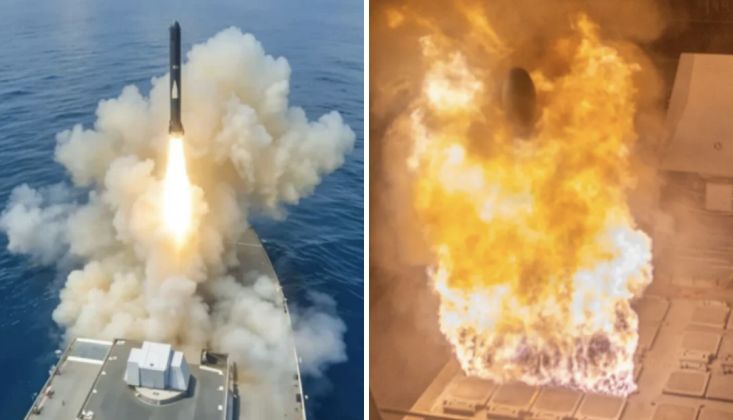
Tomahawk Cruise Missile Launches During U.S. Assault on Iran
Pentagon sources have raised serious concern regarding the rapid depletion of of the U.S. Navy’s BGM-109 Tomahawk cruise missile arsenal during the ongoing U.S.-led war effort against Iran, with officials speaking to Washington Post stressing that the issue of depletion of scarce and high cost munitions types has been a matter of growing importance for the Department of War. The Navy is estimated to have fired close to 1,000 of the missiles in the first four weeks of hostilities, although some estimates have been lower at close to 900, of a total arsenal of between 3,000 and 4,500 in the service’s total inventory. While in prior U.S.-led assaults on adversary state such as Libya and Iraq, the relatively quick destruction of hostile air defences allowed the U.S. Navy and Air Force to launch much lower cost strikes from shorter ranges using guided bombs, the persistent challenge from Iran’s own air defences has made this far less viable.
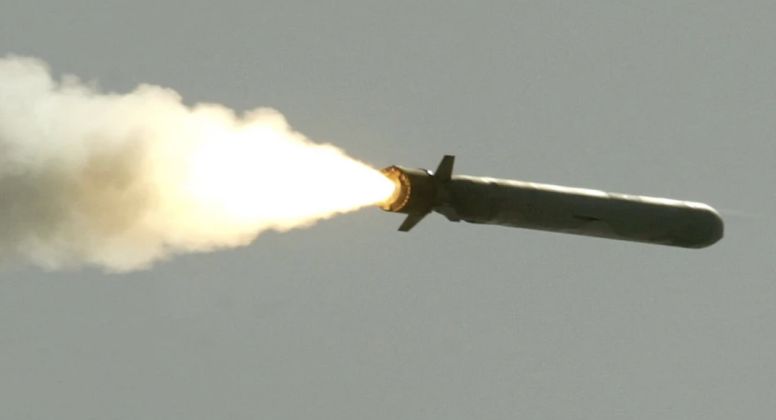
Expenditures of close to 1,000 Tomahawk missiles in under a month of hostilities, or around one third to one quarter of the arsenal built up over more than a decade, raises the possibility of more serious depletion should hostilities continue and Iranian air defence capabilities persist. The issue appears particularly serious when considering that analysts have projected that the war effort could continue for over six months. Production rates for Tomahawk cruise missiles are planned to reach close to 150 per year by the end of the decade, with a significant portion of production being allocated for export, most notably to Japan which has ordered 400. Just 57 Tomahawks were included in the United States’ defence budget in 2025, despite depletion of the arsenal from strikes on targets in Iran and Yemen.
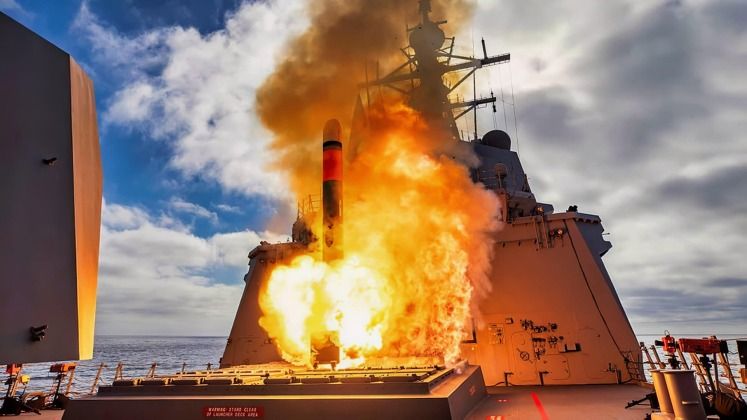
Modern variants of the Tomahawk cost $3.6 million, approximately the cost of a modern main battle tank, meaning that replacing the missiles already expended will cost close to $3.6 billion. One official informed The Washington Post that the number of Tomahawk missiles left in the Middle East was “alarmingly low,” while another said that without intervention the Pentagon may be left out of ammunition. “The Pentagon has tracked the number of Tomahawks used with an increasing focus on what the burn rate will mean for not only a sustained campaign against Iran but for future military operations as well,” the paper concluded after consulting with informed sources. The depletion of the arsenal is particularly significant when considering that the Tomahawk is the only long range offensive weapon deployed by U.S. Navy destroyers.
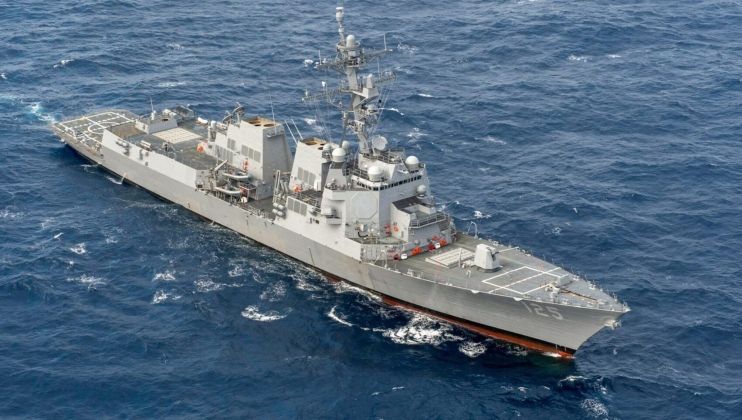
The depletion of the U.S. Navy’s cruise missile arsenal has very considerable implications for the U.S. Armed Forces capabilities to wage war in multiple theatres, from the Arctic facing Russia, to the Taiwan Strait facing China, and the Korean Peninsula. The arsenal’s depletion reflects broader trends in the severe depletion of U.S. warfighting capabilities through mass expenditures of high value weaponry, which even if hostilities were to end in early April, would take several years and tens of billions dollars in investment to recover from. The Tomahawk arsenal is notably far from the most severely depleted, with inventories of anti-ballistic missiles and GBU-57 bunker buster bombs estimated to have been almost totally spent, while being significantly more costly to replace.
