
U.S. and Israel Cut Deep Penetration Strikes Over Iran After Loss of F-35 to Air Defences - Reports
Military Watch Magazine Editorial Staff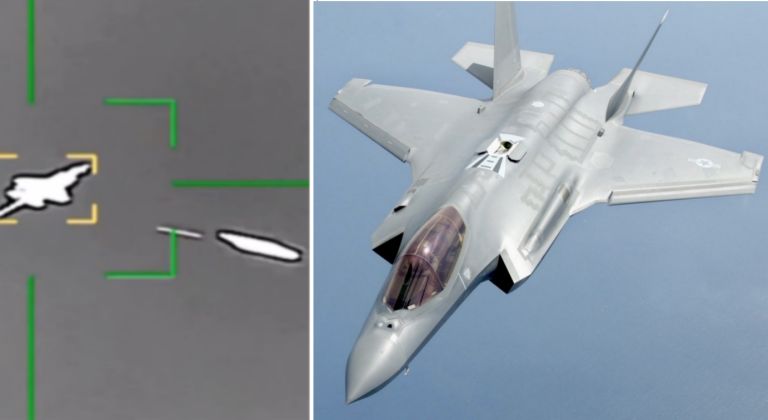
F-35 Moments Before Iranian Strike (left) and F-35
The U.S. Armed Forces and the Israeli Air Force have significantly reduced deep penetration strikes over Iranian territory following the confirmed successful surface-to-air attack on an F-35 fifth generation fighter on March 19. The Iranian operation is widely assessed to have been carried out using an infrared guided surface-to-air missile, possibly from the Majid system, and damaged the F-35 sufficiently to cause shrapnel wounds to the pilot, as was later confirmed by the U.S. Air Force. Although the vast majority of air attacks on Iran have been conducted using beyond visual range missiles launched from outside Iranian territory, the F-35’s advanced stealth, electronic warfare and electronic intelligence collection capabilities were designed specifically for deep penetration strikes into well defended airspace.
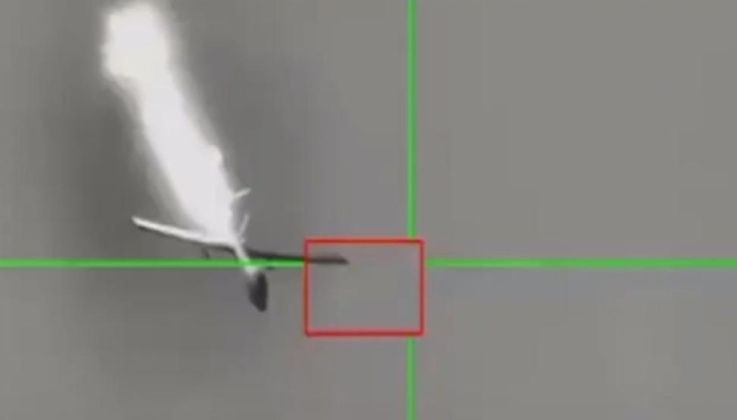
According to a “highly-placed intelligence source” in Iran, U.S. and Israeli losses to Iranian air defences, which have reportedly also included F-16 and F-15 fighters, “have led to a significant reduction in military operations by American and Israeli fighter jets in the central regions of the country.” "After striking the F-35, the pace of military operations has decreased, although aircraft and drones are still being used for reconnaissance purposes," the source added. The source also assessed that the number of drones shot down has reached nearly 200, although these have varied in value from single use attack drones costing under $100,000, to higher value attack and reconnaissance platform such as the MQ-9 Reaper which costs over $150 million.
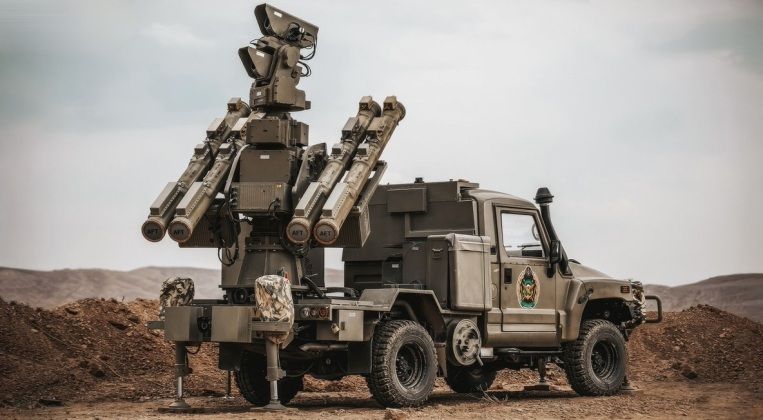
Regarding the future of air defence operations, the Iranian intelligence source predicted: “Given the defensive innovations against enemy aircraft, it appears that in the coming days, the rate of strikes against enemy warplanes will increase.” The source’s statement closely follows the publication of footage by the Iranian Armed Forces showing large quantities of surface-to-air missiles for systems of various ranges in storage in deeply fortified underground bases, which appeared intended to signal a sustained air defence capability. While the conservative use of manned aircraft inside Iran has reduced U.S. losses, U.S. forces have suffered greater losses over Iraq, where local militias aligned with Iran have employed a wide range of infrared guided short ranged surface-to-air missile systems.
