
Iraqi Paramilitary Groups Strike Two U.S. KC-135 Tankers During Attacks on Iran - Reports
Military Watch Magazine Editorial Staff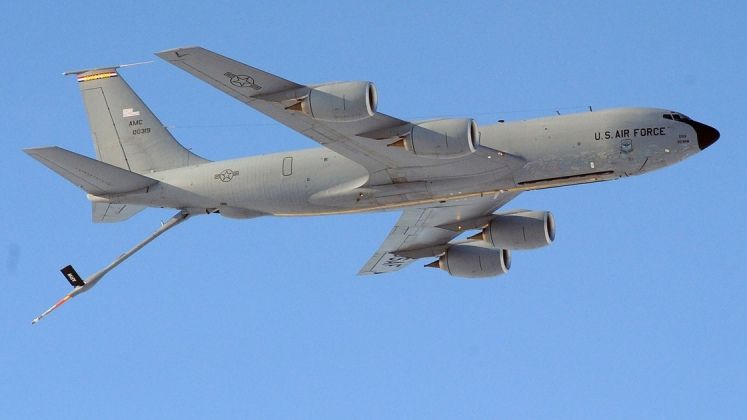
U.S. Air Force KC-135 Stratotanker
An Iranian-aligned Iraqi paramiltiary group, the Islamic Resistance in Iraq, has claimed responsibility for two successful surface-to-air attacks on U.S. Air Force KC-135 tankers that were overflying Iraqi airspace. This occurred as attacks on Western forces within Iraq, including U.S. and Italian military bases, have escalated as part of the ongoing U.S.-Iranian war. The U.S. Armed Forces Central Command confirmed the loss of a KC-135, attributing it to a technical issue, while the second KC-135 targeted managed to land in Israel after sustaining damage. It was later confirmed that four servicemen were killed on the destroyed aircraft, with a further two missing. With U.S. military bases in the gulf region having sustained extreme damage from Iranian strikes, U.S. combat aircraft have been forced to operate from bases further afield, increasing reliance on the KC-135 for refuelling support. Significant reliability issues with the KC-135’s successor, the KC-46, has been an additional factor, as have the relatively short ranges of U.S. and Israeli combat aircraft such as the F-16 and F-35.
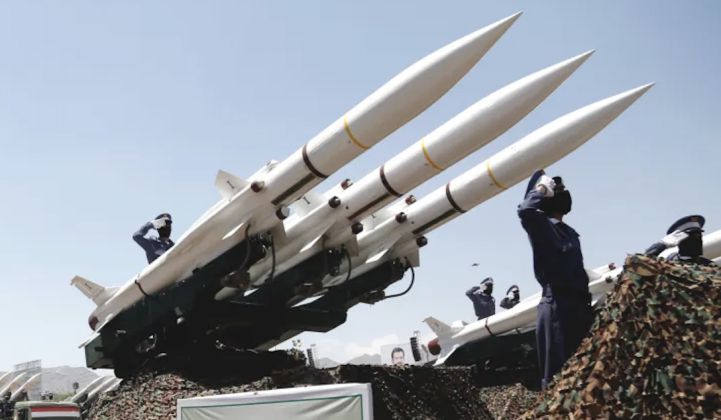
Successes by Iranian-backed paramiltiary groups in threatening U.S. aircraft are far from unprecedented, with Ansurullah Coalition paramiltiary units in Yemen having demonstrated a considerable capability to adopt innovative tactics when using heat-seeking missiles. This resulted in the losses of multiple modern fighters fielded by the United States’ Arab strategic partners such as Saudi Arabian F-15s and Eurofighters and Moroccan Air Force F-16s, while over ten U.S. Air Force MQ-9 drones were also shot down from late 2023. Multiple near-misses against high value combat jets including F-35s were recorded, with a number of sources crediting Ansurullah Coalition air defence operations with the shootdowns of three U.S. Navy F-18E/F fighters. Some of the missile types reported to have been supplied by Iran to paramilitary groups in both Yemen and Iraq have modern imaging infrared seekers, which integrate microcomputers that can analyse an image of the target to distinguish it from decoys or flares. Infrared-guided systems have no emissions, meaning they cannot be detected and homed in on line radar-guided systems, although they are also restricted to operating over shorter ranges.
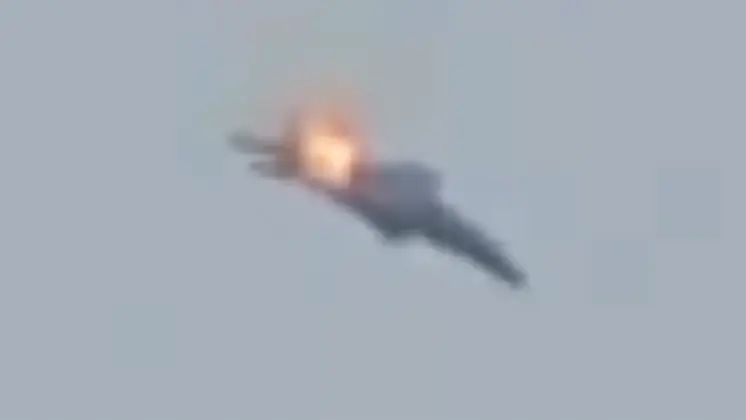
A number of unconfirmed reports have attributed the losses of multiple prior U.S. aircraft to Iranian-backed Iraqi paramilitary groups, most notably three F-15E fighters which were filmed crashing just across the Iraqi-Kuwaiti border in the initial hours of the the U.S.-led air assault. Although the U.S. Department of War reported that these were shot down by a Kuwaiti F-18 fighter in a friendly fire incident, multiple analysts have highlighted serious inconsistencies, with these claims. The fact that the aircraft showed signs of having been hit by heat seeking missiles has added further credibility to claims by Iraqi paramilitary groups to have been responsible for the shootdowns. For the U.S. and its strategic partners, the destruction of the Iraqi and Syrian governments’ air defence capabilities, and overthrow of the ruling Ba’ath parties in both countries in 2003 and 2024 respectively, were critical to paving the way for the war effort against Iran, ensuring that access to the air spaces of both countries would remain relatively open, with only non-state groups in Iraq contesting U.S. and allied transit over their airspace to attack Iranian targets.
