
Over 300 F-35s Will Be Delivered Without Required Radars: Delays to Vital Upgrade Undermine Urgent Modernisation Efforts
Military Watch Magazine Editorial Staff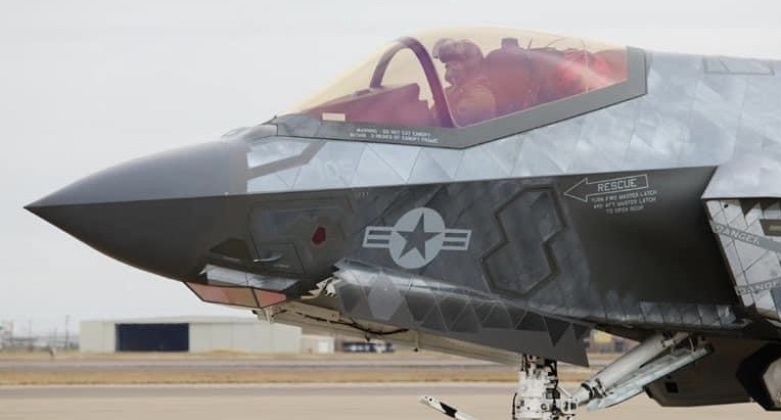
F-35
The U.S. Armed Forces have been confirmed to be receiving F-35 fifth generation fighters without their radars, despite denials by the Department of War in February that this was the case. This is a result of an outstandingly long certification time for the AN/APG-85 next generation radar, which was developed to enhance the capabilities of the F-35 to succeed the older AN/APG-81. With the new radar’s higher power and cooling requirements having required modifications to the aircraft design, F-35s from lot 17 onwards designed to integrate the AN/APG-85 cannot integrate the older AN/APG-81, forcing them to be fitted with counterweights in their nose cones instead of radars when delivered.
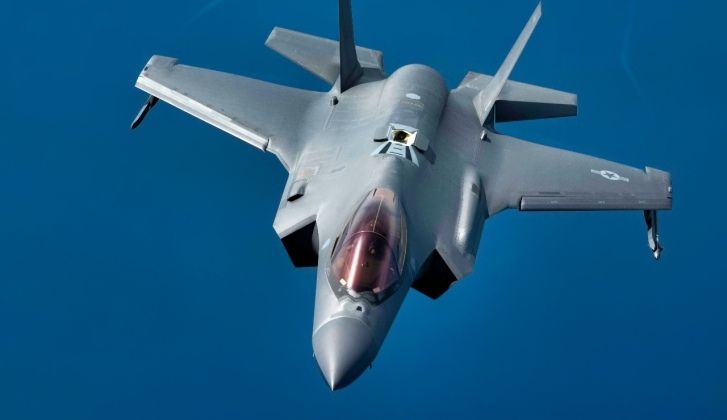
Delays to the AN/APG-85’s development are expected to have significant negative impacts for the combat potentials of the fighter fleets of U.S. Navy, Air Force, and Marine Corps, and over a dozen foreign services that currently have F-35s on order. The sheer size of the fighter program as by far the largest in the world makes the lack of deliveries of fighters with radars particularly devastating. A number of reports indicate that deliveries of AN/APG-85 radars will only commence from 2028, which will in over 300 F-35s being delivered without radars. Lots 17, 18, and 18 each consist of over 150 fighters, which has led analysts to assess that the delivery of up 400 fighters without radars is highly possible. It remains possible that the program office will find a means to integrate the AN/APG-81 onto newer production variants of the F-35, with reports contrasting regarding the viability of this. The F-35 program’s primary contractor Lockheed Martin has responded to the controversy by stating that it is building the fighters “according to contract specifications,” with the radar being produced separately by Northrop Grumman.
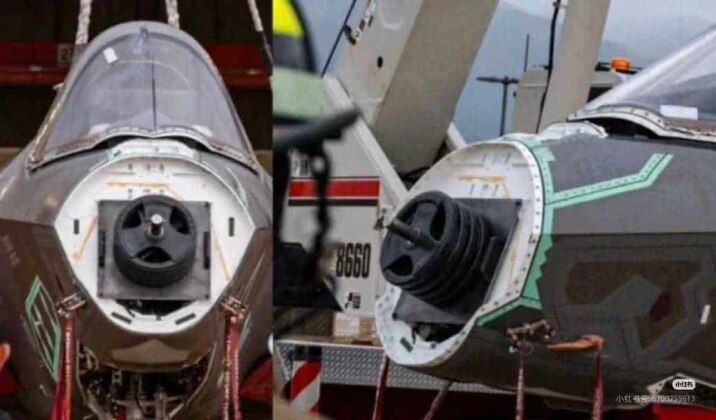
The F-35 Joint Program Office (JPO) and the Pentagon have argued that transitioning from the AN/APG-81 to the AN/APG-85, and redesigning the F-35 accordingly, is a "calculated risk" to prepare to bring the aircraft up to the much improved Block 4 standard. Rather than continuing to produce the old configuration, and spending several years on major overhauls, it was decided to equip the new aircraft with the upgrade architecture so that the radar can be installed immediately upon arrival. As a direct result of this, within the next two years hundreds of unfinished fighters will be delivered. The potential implications for combat readiness are considerable, and it remains uncertain to what extent the radarless fighters will be active in service or relied on for combat duties.
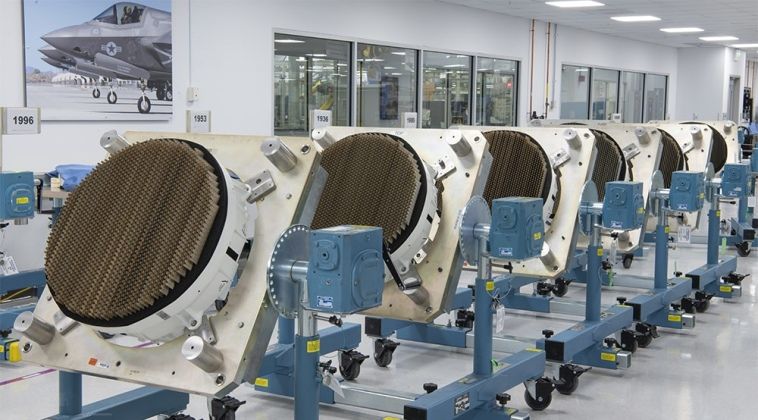
Operators of the F-35 have the potential to mitigate the effects of the aircraft’s lack of a radar by operating them alongside older fighters with the AN/APG-81, with the seamless sharing of data ensuring that pilots can maintain high situational awareness using offboard sensors. F-35s also integrate infrared search and track systems and advanced passive electronic sensor arrays, although these were designed to complement radars and cannot come close to compensating for a lack of them. While the U.S. has struggled to complete the AN/APG-85’s development, China has transitioned its own primary fifth generation fighter, the J-20, to integrate a next generation radar which is reported based on similar Gallium Nitride technologies. These technologies significantly ease conflict between signal strength and power usage, and can significantly improve fighters’ ability to lock on to stealth targets.
Production of the AN/APG-81 was cut short primarily due to its perceived insufficiency to stay up to date with pacing Chinese challenges to U.S. air dominance, with Northrop Grumman having described it as one which would “help ensure air superiority,” providing an indication as to what primary arguments had been made to justify the program. Analysts widely assessed that the challenge to air superiority posed by the Chinese J-20 program, which is far better optimised to air-to-air operations, was a primary factor stimulating investment in developing the AN/APG-85. With the attainment of Block 4 capabilities having suffered repeated delays, and now scheduled for the early 2030s, it is highly likely that China will field sixth generation fighters before the U.S. can bring its primary fifth generation fighter up to required standards. The major issues caused by delays to the AN/APG-85’s development are but one of multiple major issues with key subsystems that have seriously undermined the combat potential of the F-35 fleet, making the F-35 program a subject of considerable controversy and drawing harsh criticisms from both military and civilian officials.
