
U.S. Confirms Plans to Delay Arms Deliveries to Europe Amid Iran War Equipment Shortages
Military Watch Magazine Editorial Staff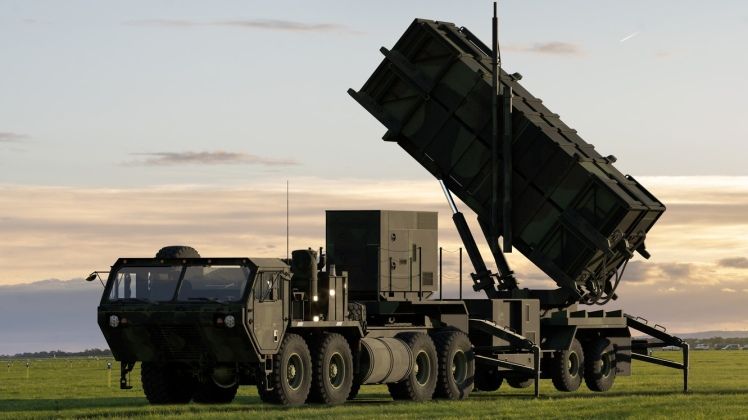
Launcher From Patriot Long Range Air Defence System
The United States has informed several of its NATO allies in Europe to expect delays in deliveries of U.S.-made armaments due to the severe depletion of its equipment stockpiles during hostilities with Iran from February 28. The United Kingdom, Poland, Lithuania, and Estonia, which have all played particularly central roles in the war effort against Russia in the Ukrainian theatre, are confirmed to have been among the states that have received such warnings. The warning of delays to arms supplies follows multiple reports from late March that the U.S. Department of War plans to redirect arms supplies originally designated for Ukraine to support the U.S.-led war effort against Iran, which was reported by multiple sources speaking to the Washington Post. This was corroborated by Secretary of War Pete Hegseth, who emphasised in March that replenishing U.S. arsenals depleted during attacks on Iran took precedence over supplying Ukraine.

According to sources cited by the Washington Post, internal discussions within the Pentagon have been focused on determining the appropriate level of supplies to Ukraine, and have specifically focused on the possibility of excluding deliveries of surface-to-air missiles for MIM-104 long range air defence systems. Reports from multiple Western sources confirmed on March 5, 2026, that the United States Army has expended over 800 anti-ballistic missiles from the systems during just five days of engagements with Iranian forces, with further interceptors expended throughout the remaining four weeks of the conflict. Systems deployed in the Gulf including in Qatar and the United Arab Emirates have repeatedly been seen firing three interceptors against each target, rather than the standard two, indicating an awareness of a low probability of kill, and resulting in faster expenditure of the interceptors.
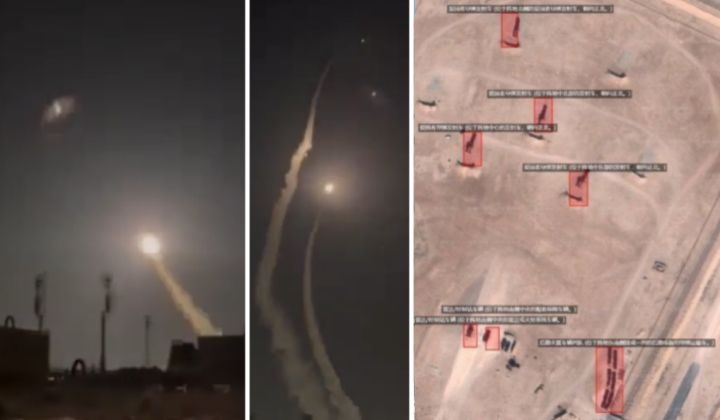
The rapid depletion of U.S. arsenals has deepened tensions between Washington and its European allies. In early April Polish Defence Minister Wladyslaw Kosiniak-Kamysz stated that the country would not provide either of its two U.S.-supplied Patriot systems to support the U.S.-led war effort against Iran, stressing that “Poland’s security is an absolute priority.” Air defences across the majority of the Patriot’s European operators have been severely depleted by mass donations to Ukraine, with German officials in March having warned that the country has been left poorly protected against potential air or missile attacks as a result. The rapid destruction of Patriot systems donated to Ukraine by Russian forces has ensured that demand for additional systems for frontline operations remains high.

In late April an assessment published by the Center for Strategic and International Studies (CSIS) found that the U.S. Armed Forces had depleted their stockpiles of critical missiles to dangerous levels during its war against Iran, resulting in a “near term risk” that could leave it vulnerable, according to a new Intense combat operations have exhausted a staggering proportion of the country’s most advanced weaponry. Among these were Precision Strike Missiles (PrSM), Patriot, THAAD, SM-3, and SM-6 air defence interceptors, and Tomahawk cruise missiles. Analysts at CSIS have warned that rebuilding U.S. arsenals will be a slow and costly process, with an expert from the think tank cited by CNN observing that it would take “one to four years to replenish these inventories and several years after that to expand them to where they need to be.”
