
U.S. Army Runs Out of Key PrSM Ballistic Missiles After Intensive Use Against Iran
Military Watch Magazine Editorial Staff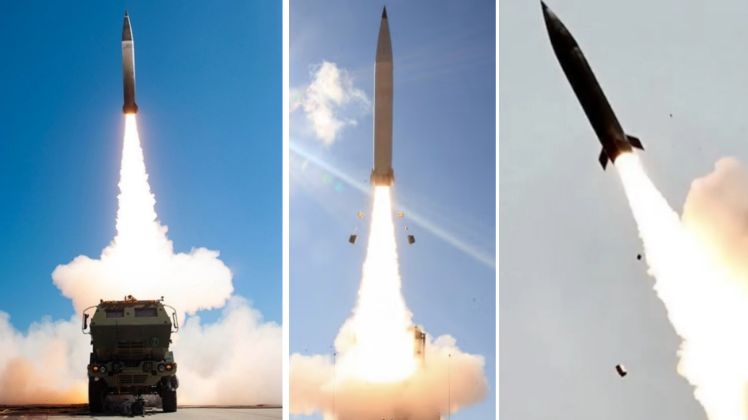
U.S. Army PrSM Ballistic Missile Launches
The U.S. Army has exhausted its entire stockpiles of the new Precision Strike Missile (PrSM) since the initiation of military operations against Iran, when the missile saw its first ever combat use to strike targets deep inside the country from positions in the Persian Gulf. Head of the Transformation Department at the U.S. Army's Center of Excellence for Fire Support Jimmy Arter observed regarding the expenditure of the missiles: “We used up all our PRSM arsenal at the beginning of the war, but we're already receiving new ones.: The PrSM is integrated onto the HIMARS rocket artillery system, and was developed as a successor to the ATACMS ballistic missile that has been more widely fielded and extensively combat tested in the Ukrainian theatre.
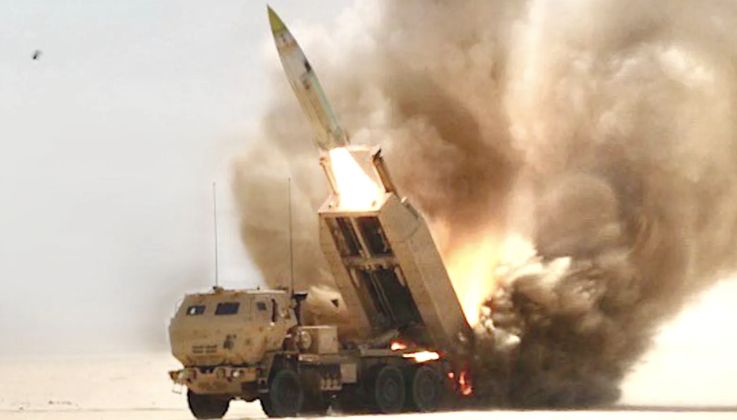
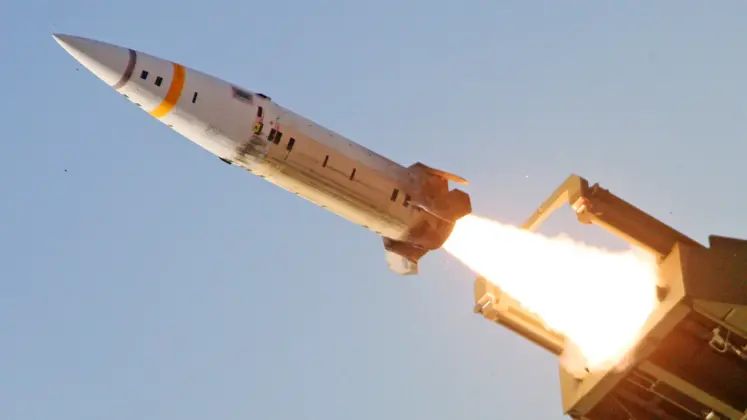
The depletion of the PrSM arsenal has significant implications for the U.S. Army’s warfighting capabilities across multiple theatres, as HIMARS is increasingly heavily relied on, in particular in the Pacific, to asymmetrically counter larger and more capable forces. The missile improves on the 300 kilometre range of the ATACMS with an engagement range of over 500 kilometres, while its more compact size allows two missiles to be carried on each launcher, effectively doubling its long range firepower. This is critical in the Pacific and the Gulf, where challenging due to the vast distances separating territories from the U.S. makes compactness key, while the ability to engage targets at long ranges is vital.
The PrSM is one of multiple types of high value munitions which have seen supplies seriously depleted during hostilities with Iran, which has significant implications both for the U.S. economy, due to the extreme costs of replacing them, and for future U.S. warfighting capabilities as procuring replacement armaments will take considerable time. Pentagon sources in late March raised serious concerns regarding the rapid depletion of of the Navy’s Tomahawk cruise missile arsenal, with officials speaking to Washington Post stressing that the issue of depletion of scarce and high cost munitions types has been a matter of growing importance for the Department of War. The Navy is estimated to have fired close to 1,000 of the missiles in the first four weeks of hostilities. Production rates for Tomahawk cruise missiles are planned to reach close to 150 per year by the end of the decade, making replacement a multi-year process.
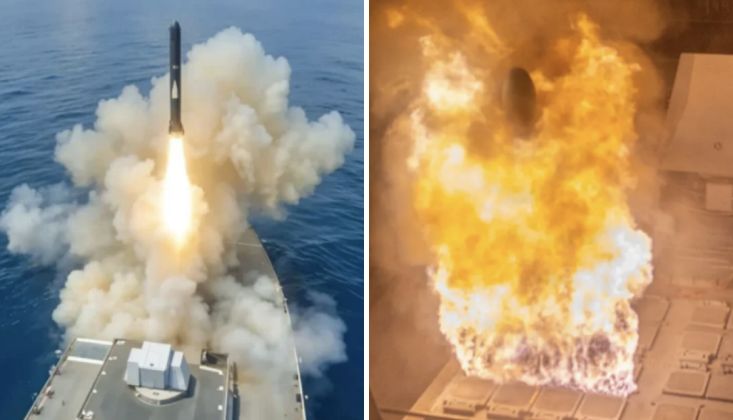
Analysts have estimated that the U.S. launched attacks on more than 6,000 Iranian targets in the first 10 days of attacks, almost all using costly beyond visual range weaponry, while also firing at estimated more than 2000 anti-ballistic missiles to intercept Iranian counter strikes. The arsenal of anti-missile interceptors for the THAAD, Patriot and AEGIS systems are estimated to all have been depleted to extreme extents, with interceptors from facilities across the world having been redeployed to the Middle East both preceding and during hostilities in the Middle East. Another notable example of a weapons type that has seen stockpiles very severely depleted is that of GBU-57 penetrative bombs, supplies of which are assessed to have been almost totally exhausted. Each bomb is estimated to cost over $370 million, while production of new bombs has long since ceased.
