
Taiwan Significantly Increasing Defence Budget After Spending Over $10 Billion on Western Arms
Military Watch Magazine Editorial Staff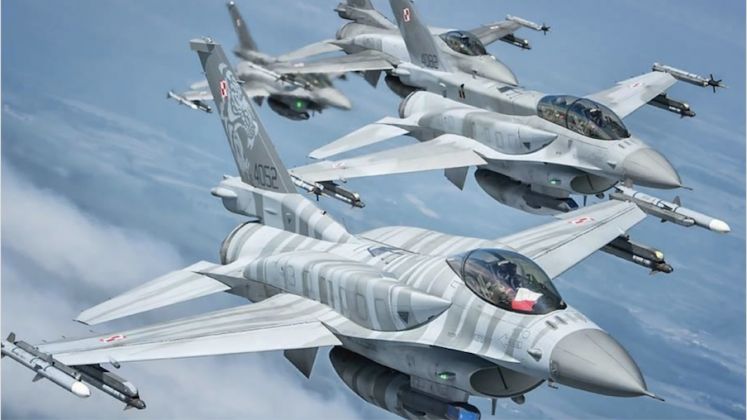
F-16 Single Engine Fighters
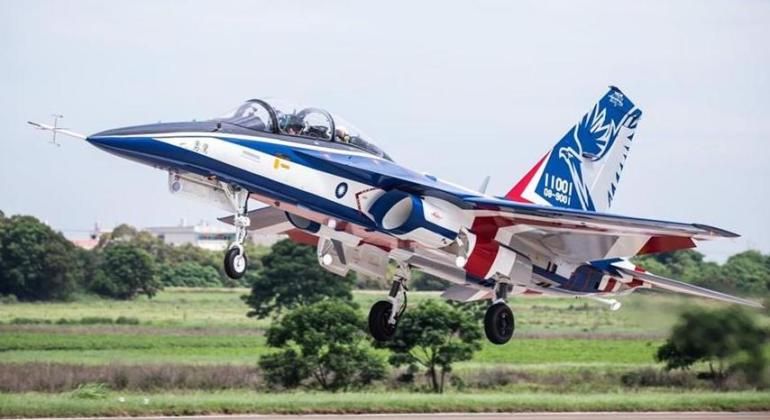
Taiwan is set to increase defence spending by 10.2%, a boost which comes amid a growing emphasis on militarisation by the current Tsai Ing-wen government and will bring total spending to $15.42 billion. This notably comes after Taipei pledged to purchase over $10 billion worth of Western arms over the past 18 months, ranging from 66 F-16V fighter jets to 102 M1 Abrams tanks and new surface to air missiles, and at a time when Taiwan is considering a number of additional purchases of Western hardware from drones to stealth fighters. A number of ambitious domestic weapons programs have also received considerable investment, from a new diesel-electric attack submarine to Brave Eagle ‘4+ generation’ lightweight fighter jets and an upgrade program for much of the existing fleet of approximately 120 F-16A fighter jets.
Alongside the Chinese mainland and both North and South Korea, Taiwan has been hailed as carrying out the most effective response to the COVID-19 crisis which has left its economy in much better condition than developed countries both elsewhere in East Asia, such as Japan and Singapore, and in the Western world. This means that, while the majority of major defence spenders are ether seriously considering or going ahead with implementing spending cuts, Taiwan will be one of the few, if not the only one, which will increase its defence budget at a greater rate than previous years in 2021. Taiwan has notably been denied access to high end U.S. arms, most notably AEGIS equipped surface warships and F-35B stealth fighters, due to considerable pro-Chinese sentiments among its population which could compromise newer and more sensitive weapons through espionage.
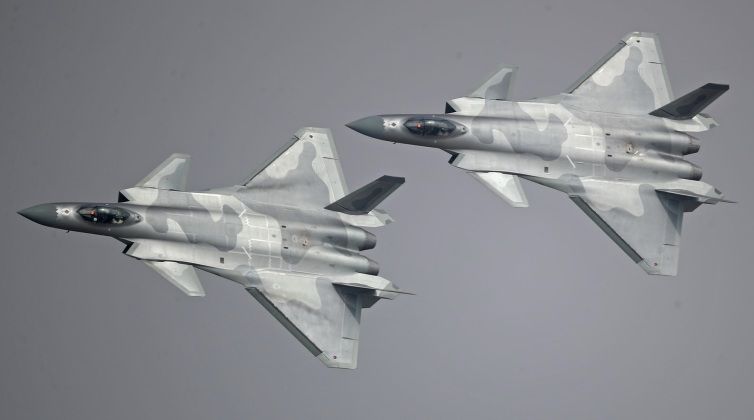
It is notable that the annual increase in the defence budget of the Chinese mainland is greater than the entire defence budget of Taiwan, meaning the balance of power in the Taiwan Strait is fast growing more unfavourable for Taipei and its Western backers. Beijing and Taipei have been officially at war far over 70 years, with both claiming to be the legitimate government of the entire Chinese nation as the respective People’s Republic of China and the Republic of China - the latter being Taiwan’s official name. Taiwan does not enjoy international recognition, and is notably not a member state at the United Nations, leading many analysts to equate it with a non state actor and to question the legality of arms sales to the territory. Given its dubious position, Taiwan’s recent purchases of Western weapons systems have been widely interpreted as a way for Taipei to effectively buy political support - with the F-16V seeing little foreign interest otherwise and the Taiwanese purchase expected to keep production lines in the United States open for many years longer than would otherwise have been the case. The F-16 entered service in the U.S. Air Force in 1978, and other than Slovakia which made a small purchase of 14 jets no developed countries have shown interest in the design due to its age and to the availability of the much more capable F-35 - a fifth generation successor to the F-16. While China has deployed fifth generation fighters since 2017, Taiwan is unlikely to acquire aircraft with such capabilities for the foreseeable future.
