
Economic Crisis Forcing Major Cuts to Britain’s Armed Forces: New Austerity Could Devastate Marines, Army, Carrier Groups and Logistics
Military Watch Magazine Editorial Staff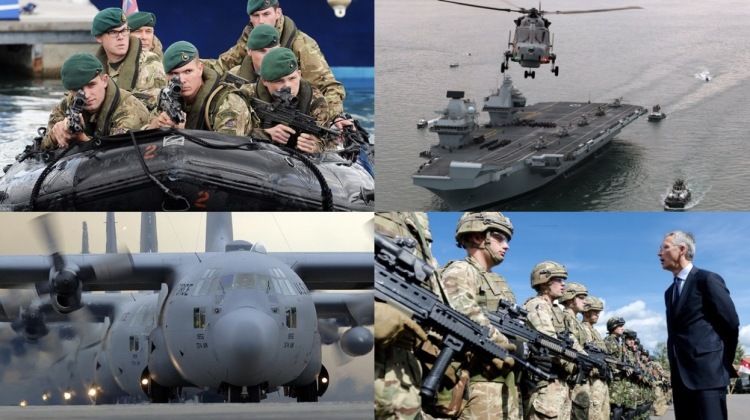
Royal Marines, HMS Queen Elizabeth, British Soldiers, C-130 Transports(clockwise from top left)
The British Armed Forces could face further deep cuts under a new strategic defence review currently being conducted by the country's conservative government, following considerable reductions to both the budget and to personnel numbers over the past decade under a stringent austerity program. While cuts initiated in 2010 had a significant impact on the Royal Navy, with the amphibious and frigate fleets particularly hard hit, they also eliminated the Air Force’s Harrier jets, cut manpower but 30,000 personnel and cut around 33% of self propelled artillery and 28% of serving battle tanks. A new round of cuts could reduce the Army's manpower further still to well below 50% of Cold War levels, and while it may affect the Air Force it is uncertain to what degree the Royal Navy - in the midst of ambitious aircraft carrier and strategic missile submarine programs - will also be affected.
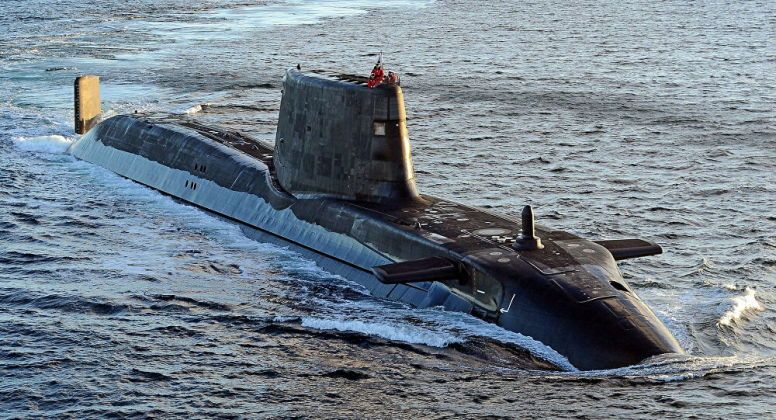
Even at current spending levels, a significant number of analysts have expressed serious doubts regarding whether the Navy can afford two full carrier strike groups - particularly given both the massive costs of the escorts and the carrier based F-35B jets. The F-35B is the only fixed wing aircraft which can launch from British carriers due to their lack of arresting gear, and the fighter are the most expensive in production in the world today with outstandingly high operational costs and fuel consumption. This combined with the depreciation of the British pound from 2016 has led to serious questions regarding whether the Navy can afford enough fighters for its carrier decks even if current spending levels are not cut further. The Royal Navy's ability to continue to field surface destroyers, its heaviest surface combatants, was also in serious question - with just six in service today which will reportedly eventually be replaced by lighter frigates to reduce costs.
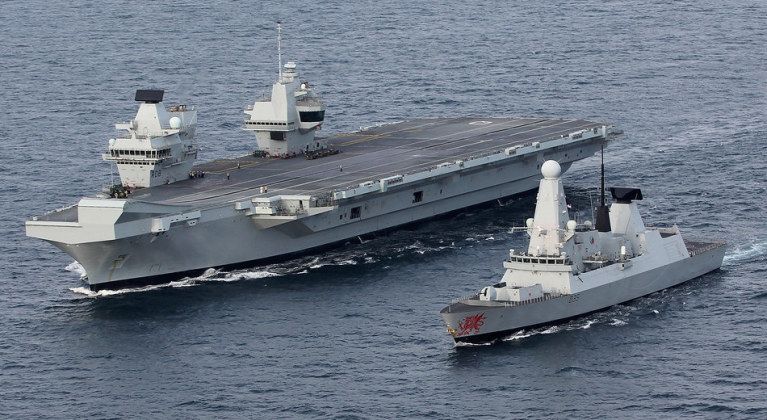
With London anticipating severe economic crisis, a 20% GDP contraction and unprecedented levels of government borrowing potentially doubling the levels of the 2008 financial crisis, the armed forces are considered far from the top of the list of spending priorities. Some unconfirmed reports indicate that the new round of cuts could fall disproportionately on the Royal Marines, and could also retire the Air Force’s C-130 transports and the Navy’s mine warfare craft - conspicuously avoiding cuts to assets which contribute to the country’s carrier groups or its $39 billion strategic weapons program. Other reports indicate that the Army could face deeper cuts and lose over 25% of its personnel, leaving a frontline strength of just 55,000 men. With Britain pledging to expand its military presence in the Asia-Pacific region to support broader Western efforts to place military pressure on China, and with the country at the same time operating a new naval base in the Persian Gulf from 2018 and attempting to use warships to enforce economic sanctions against North Korea, among other commitments taking the military as far as South America, it remains to be seen whether London’s power projection ambitions in multiple faraway theatres can be sustained amid a second major economic disaster.
