
No Game Changer; Taiwan’s $2.6 Billion American Arms Package Focuses on Armoured and Anti-Armour Capabilities
Military Watch Magazine Editorial Staff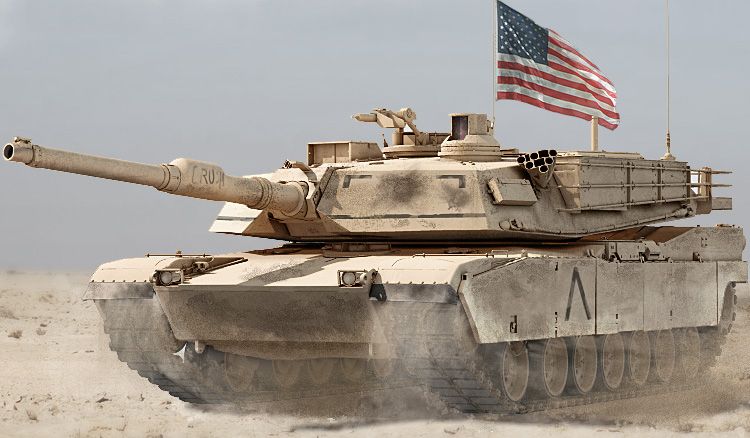
M1 Abrams Battle Tank - artwork
Rlpic
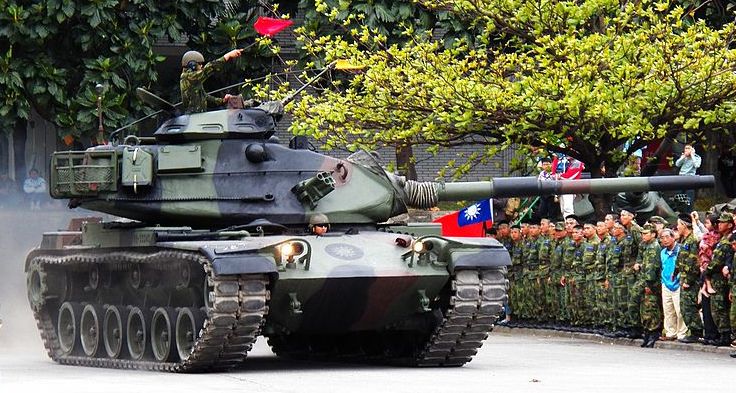
Taiwan’s armed forces are reportedly planning a $2.6 billion acquisition of American military hardware, which is intended primarily to upgrade the armoured and anti-armour capabilities of the service’s ground forces. 77% of the funds, $2 billion, will be allocated to the acquisition of 108 General Dynamics M1A2 Abrams battle tanks tanks, providing a much needed and long awaited upgrade to the Army’s armoured warfare capabilities. Taiwan previously manufactured American Cold War battle tanks under licence domestically, and has heavily enhanced older American tanks indigenously. Its armoured divisions are currently comprised of around 750 M48 Patton tanks - a platform which first entered service during the Korean War in 1953 and has been considered obsolete since at least the early 1970s. Taiwan has attempted to keep the platform viable however, extensively modifying the design to develop an indigenous variant known as the CM-11 Brave Tiger. The elite of Taiwan’s armoured divisions is comprised of M60 Patton tanks - a platform which dates back to 1960 and was heavily outmatched by the latest Soviet and British designs by the early 1970s. Even with a vast quantitative advantage, these battle tanks will face an overwhelming disadvantage against the tanks of the Chinese People’s Liberation Army such as the Type 96 - much less the latest platforms such as the Type 99A which are several decades ahead of their Taiwanese counterparts in their sophistication.
While the ability of the M1 Abrams to counter the latest Chinese battle tanks remains questionable, particularly given the platform’s recent performance in the Middle East, it does represent a considerable upgrade over platforms currently in Taiwanese service. The M1A2 variant of the tank entered service in 1992 - which makes the Chinese Type 99A thirty years newer. The U.S. has increasingly struggled to keep production lines for the Abrams tanks open, particularly as two of its leading overseas customers Iraq and Egypt have begun to turn to the Russian T-90 in its stead. This has led to considerable speculation that the acquisition represents a payoff by the Taiwanese government to the United States for diplomatic cover and military protection, with few analysts expecting the costly battle tanks to play any significant role in determining the outcome of a Taiwan Straits conflict which will be decided overwhelmingly at sea and in the air. The availability of more modern battle tanks from alternative suppliers, such as the K2 Black Panther from South Korea which significantly surpasses the capabilities of both the M1 and the Type 99, further calls in to question Taiwan’s decision.
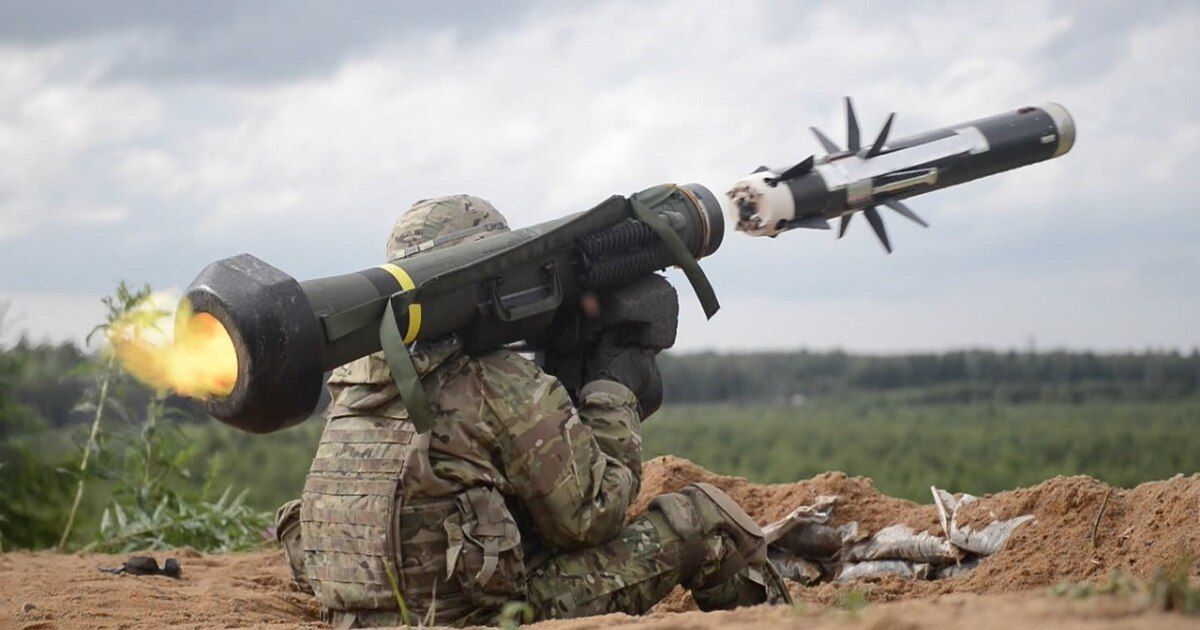
Alongside the Abrams tanks, Taiwan’s armed forces are planning the acquisition of 1,240 TOW anti-tank missiles for U.S. $299 million and 409 longer ranged Javelin anti tank missiles for U.S. $129 million. The Javelin in particular will seriously enhance Taiwanese ground forces’ ability to engage Chinese battle tanks - though much like the Abrams tanks these assets will only come into use after Taiwan’s air and naval warfighting capacities are destroyed and the outcome of a conflict has been effectively decided. Taiwan also intends to acquire 250 stinger handheld anti aircraft missiles for U.S. $223 million. The Taiwanese armed forces already operate the Stinger in considerable numbers in the Army and Marines, a platform approaching its 40th year in service and best known for its use by Islamist militant groups in Afghanistan against Soviet and Afghan aircraft in the 1980s. The effect of further Stinger missiles will hardly be revolutionary, particularly given the shortcomings of Taiwan’s longer ranged and more critical air defence systems and the fast growing sophistication of the combat jets of the People’s Liberation Army. Taiwan’s arms package is unlikely to prove decisive, although it does represent a considerable boost to American arms exports which the current administration of President Donald Trump has heavily prioritised. The acquisition comes shortly after a the activation of a brigade of AH-64E attack helicopters also received from the United States, which were purchased under a $1.9 billion contract. Taipei is reportedly planning a further purchase for 66 F-16V ‘4+ generation’ fighter jets from the United States under a $13 billion contract, and is considering spending over $6 billion more to upgrade part of its existing F-16 fleet to a similar standard.
