
J-20, J-16 and J-10C Armed and Ready: China’s New Generation of Fighters Exercise Together
Military Watch Magazine Editorial Staff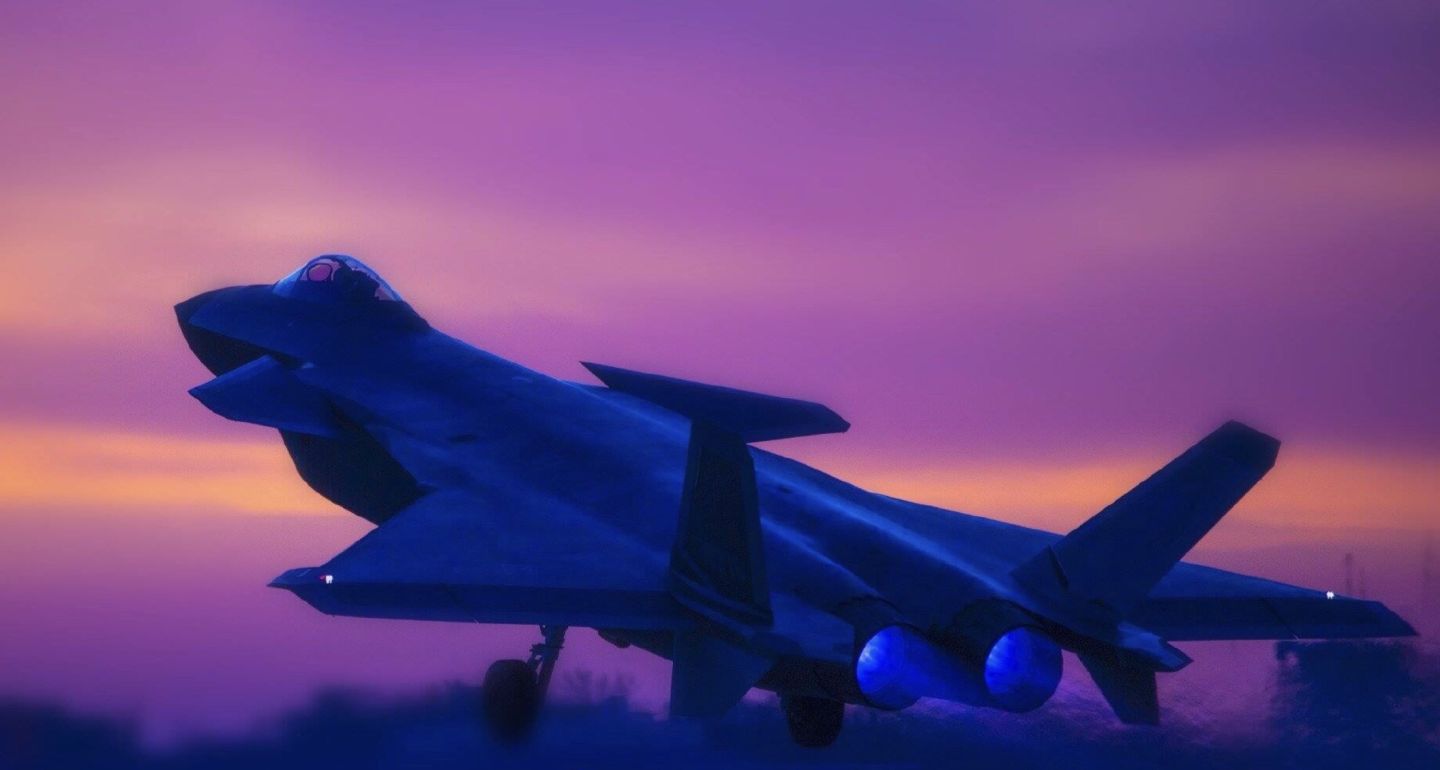
J-20 Fifth Generation Fighter
China’s People’s Liberation Army (PLA) Air Force’s three most advanced fighter aircraft, the ‘4++ generation’ J-10C and J-16 and the fifth generation J-20, took part in joint nighttime combat exercises in the early June 2018. The exercises saw gave valuable insights into the future of Chinese aerial warfare capabilities. Eliminating aerial threats before carrying out strikes on enemy ground targets, was simulated and made use of the complementary strengths of each aircraft to perform various tasks. The J-20, designed as a stealthy air superiority platform with an analogous role to the U.S. F-22 Raptor, used its advanced sensors to detect incoming hostile aircraft and relied on its air to air combat capabilities to eliminate these threats. The J-16, a long range multirole jet, used its advanced air to ground offensive capabilities and high ordinance carrying capacity to launch precision strikes on land based targets. The J-10C meanwhile, highly capable in both air to air and air to ground engagements as a multirole fighter but lighter and more restricted in its range and payload, supported the J-16 in carrying out strikes.
While most states’ armed forces make use of only a few types of aircraft of similar weights, with many relying on lighter multirole fighters exclusively to perform all manner of tasks, China’s fleet’s use of specialised heavyweight fighters supported by multirole platforms gives the PLA Air Force some of the most formidable capabilities in the world. It is the ability to operate various fighter classes in unison and take advantage of the strengths of each platform which long set apart major aerial powers from minor ones. While European, Middle Eastern, African and South American air forces lack such capabilities - Israel, Saudi Arabia and Algeria - being notable exceptions, major aerial powers such as China, the United States and Russia are capable of deploying fighters in complementary roles with their synergy making them a far more formidable asset than the sum of their parts deployed separately.
The J-10C entered active service April 2018, and is a strong contender for the title of the world's leading pre-fifth generation single engine fighter. While its lack of a stealth airframe means it cannot be designated a fifth generation fighter, the ‘4++’ generation aircraft incorporates a number of next generation features including thrust vectoring, stealth coatings, an AESA radar and cutting edge air to air missiles among others. Alongside the J-16, the fighter represents the future of the PLA Air Force’s combat capabilities and will fly alongside the stealthy J-20 for decades to come. The J-20, J-16 and J-10C are expected to replace older aircraft such as the Su-30, J-11 and J-10B in priority deployments at strategically located airfields. With advanced fourth generation fighters retaining a number of advantages over the fifth generation, namely much greater ease of maintenance and lower operational costs, the PLA has chosen to continue to field these cutting edge fighters alongside its new stealth aircraft. This has with few exceptions been the strategy of all major air forces planning to operate fifth generation aircraft, with the U.S. Air Force notably considering ending plans for a fully fifth generation force to restart acquisitions of the F-15 as availability rates of stealth jets remain low.
