
Why Taiwan is Planning a Second Bid to Aquire F-35 Stealth Fighters After an $8 Billion F-16V Deal
Military Watch Magazine Editorial Staff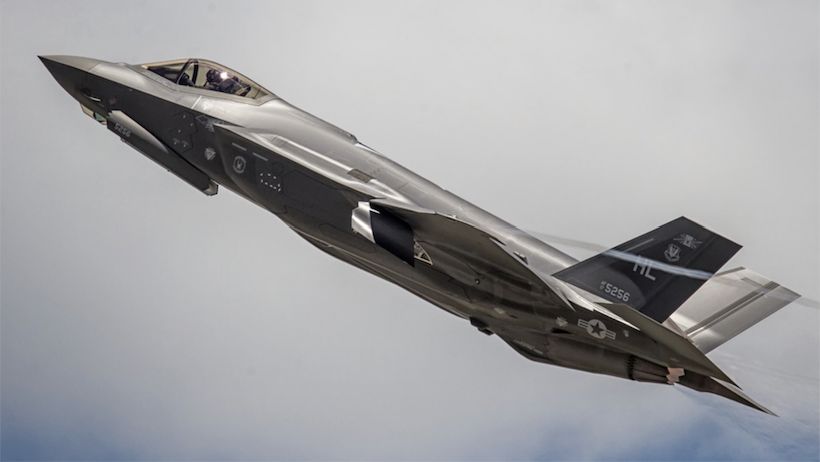
F-35 Fifth Generation Single Engine Fighter
As part of comprehensive fleet modernisation efforts intended to phase out older third and early fourth generation combat jets in favour of newer ‘4+’ and fifth generation platforms, Taiwan’s armed forces previously sought to acquire a squadron of Lockheed Martin F-35B Lighting II fifth generation fighters from the United States. The F-35B is the most costly fighter jet in production anywhere in the world today, and while it is a lightweight single engine platform it boasts not only powerful sensors and a radar evading stealth profile, but also the ability to takeoff from makeshift runways and land vertically. These capabilities are highly valued, but make the aircraft significantly more expensive and more difficult to maintain than the standard F-35A model. In 2018 Taiwan was refused access to the F-35B, largely due to fears that its sensitive technologies would be compromised either through espionage by individuals supporting the Chinese mainland or under a cross-straits unification under which Taipei’s inventory would all be absorbed into the mainland’s People’s Liberation Army (PLA). This led Taipei to instead make an extremely costly purchase of 66 older F-16V fighter jets under an $8 billion contract, which alongside investments in indigenous Brave Eagle fighters would provide two classes of ‘4+ generation’ jets. Likely retirement of the Mirage 2000 jets and upgrades to the older Ching Kuo and F-16A platforms would further assist modernisation efforts.
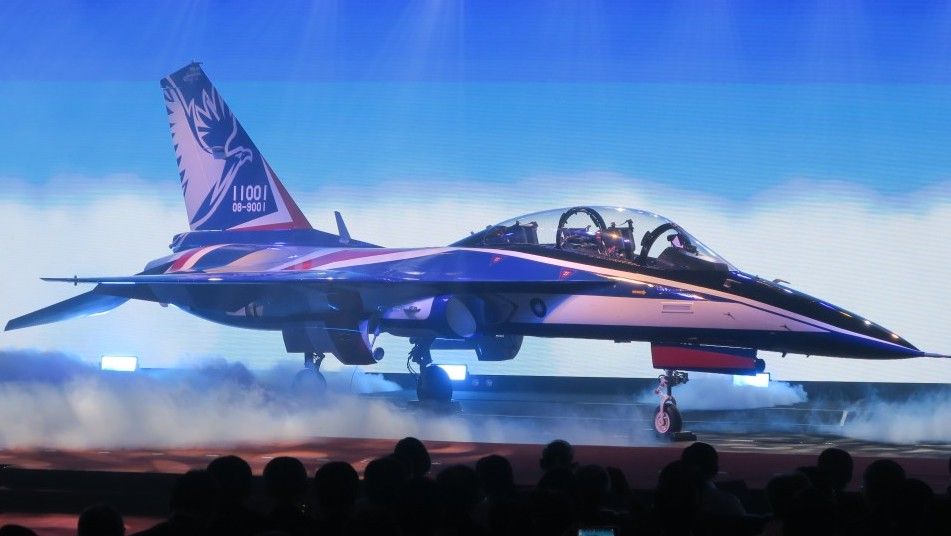
Despite plans induct the F-16V and the Brave Eagle into service in the near future Taiwan’s defence ministry appears intent on acquiring fifth generation F-35 fighters - which the United States may be more willing to sell after an F-16V purchase. Indeed, with purchases of advanced F-16 variants previously having been referred to as a path to the F-35, there are significant grounds on which to believe that Taipei could have made this purchase with acquisition of the more advanced fighter in mind from the outset. At the hearing of the legislature’s Foreign Affairs and National Defense Committee on September 23rd, Taiwan’s Minister of National Defense Yen De-fa stated regarding Air Force modernisation plans: “according to the military’s projected threat assessment, we will need F-35s in the future.” The deployment by the People’s Liberation Army of high end ‘4++ generation’ and fifth generation jets, and its acquisition of advanced long range air defence systems with coverage over all of Taiwan, means slightly enhanced fourth generation designs dating back to the Cold War are unlikely to stand much of a chance in a cross straits war even with a numerical advantage. The PLA’s J-20 fifth generation air superiority fighter, a Chinese analogue to the American F-22 Raptor with some of the most sophisticated subsystems in the world, has been cited as cause for particular concern by Taiwan’s armed forces.
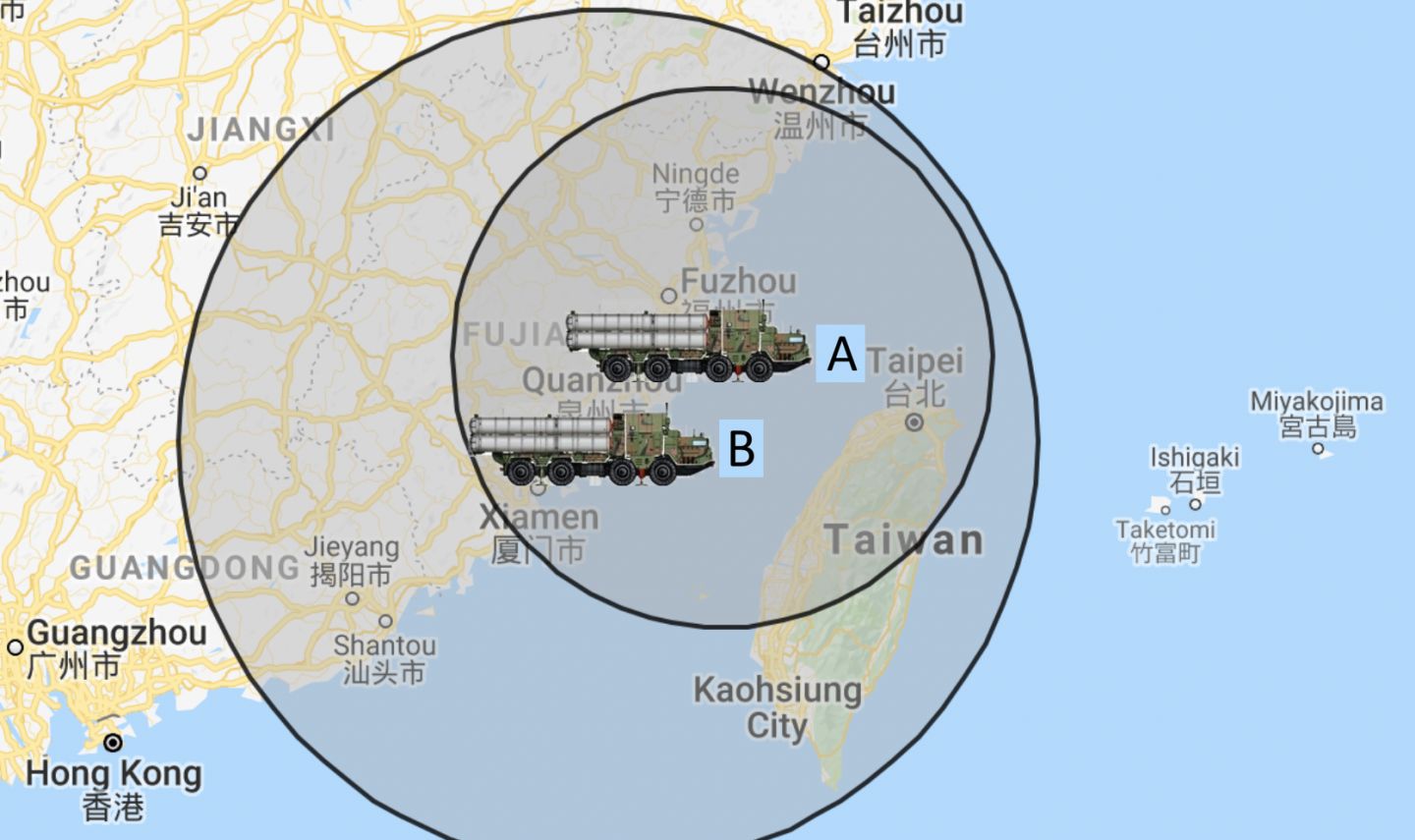
The F-35 will provide considerably superior capabilities to the F-16V an the Brave Eagle fighters. While it lacks the latter’s hypersonic Sky Sword II long range air to air missiles, the fighter benefits from more powerful sensors, infra red tracking systems, more modern electronic warfare systems and a state of the art radar evading stealth profile. The threat to Taiwanese aircraft from hypersonic surface to air missiles such as the 40N6E means that the F-35’s survivability at long range could prove a highly valuable asset. The U.S. for its part may be more willing to provide Taiwan with the F-35A variant than the F-35B Taipei originally sought, as the fighter lacks the sensitive vertical landing technologies of its more expensive counterpart. This would deny Taiwan the ability to operate the fighters from short runways on outlying islets as originally planned, but it would still prove a potentially valuable asset.
