
Russia, Taiwan and China Lead the World in Hypersonic Air to Air Missile Technologies
Military Watch Magazine Editorial Staff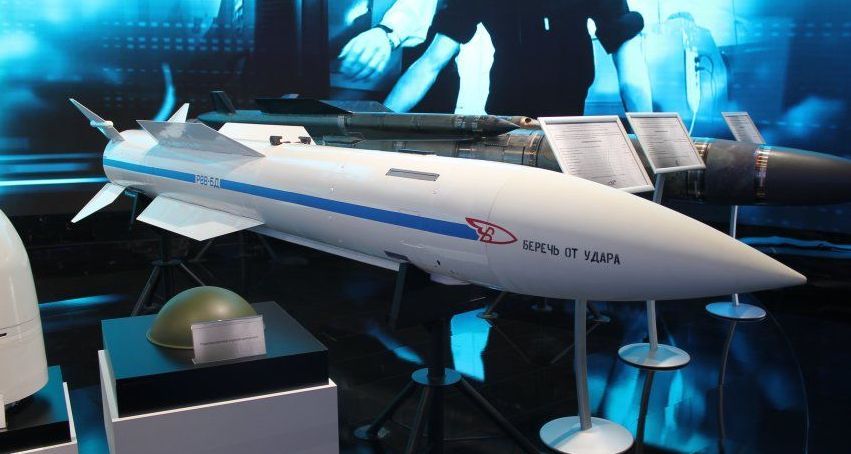
R-37M Hypersonic 'AWACS Killer' Air to Air Missile
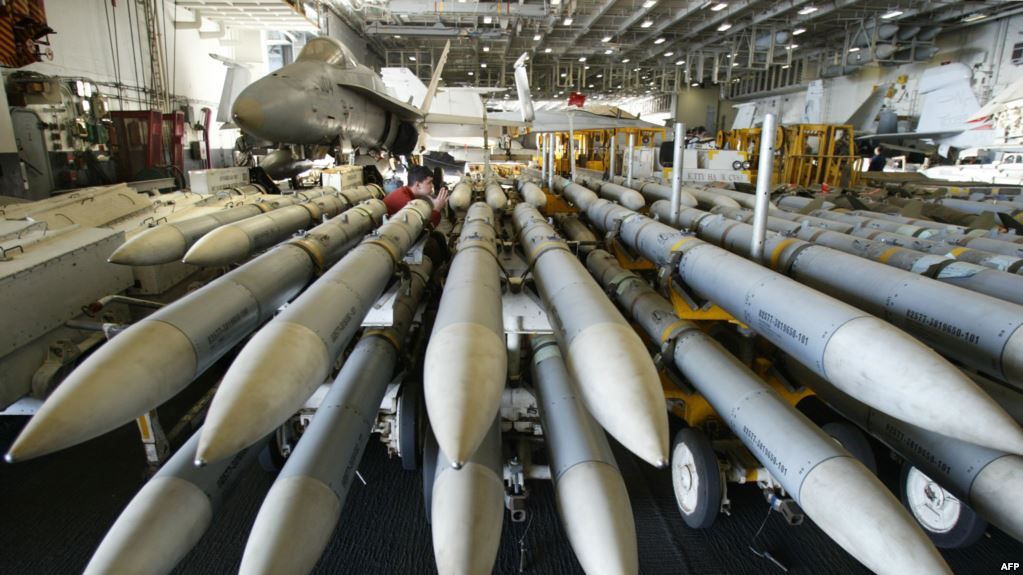
Since their first deployment in the late 1950s, air to air missile technologies have advanced considerably allowing them to reach targets at longer ranges, with heavier payloads and with greater precision. The speed of air to air missiles has also increased considerably, meaning that while combat jets such as the MiG-25 and SR-71 were all but immune from most air attacks during the Cold War due to their ability to exceed speeds of Mach 3, faster missiles have since been developed which are capable of downing such aircraft with relative ease. While speeds of Mach 4 have today become the norm for high end long range air to air munitions, including the Russian R-77, American AIM-120, Chinese PL-12 and European Meteor, munitions exceeding such speeds are a rarity - much less those capable of attaining hypersonic speeds over Mach 5.
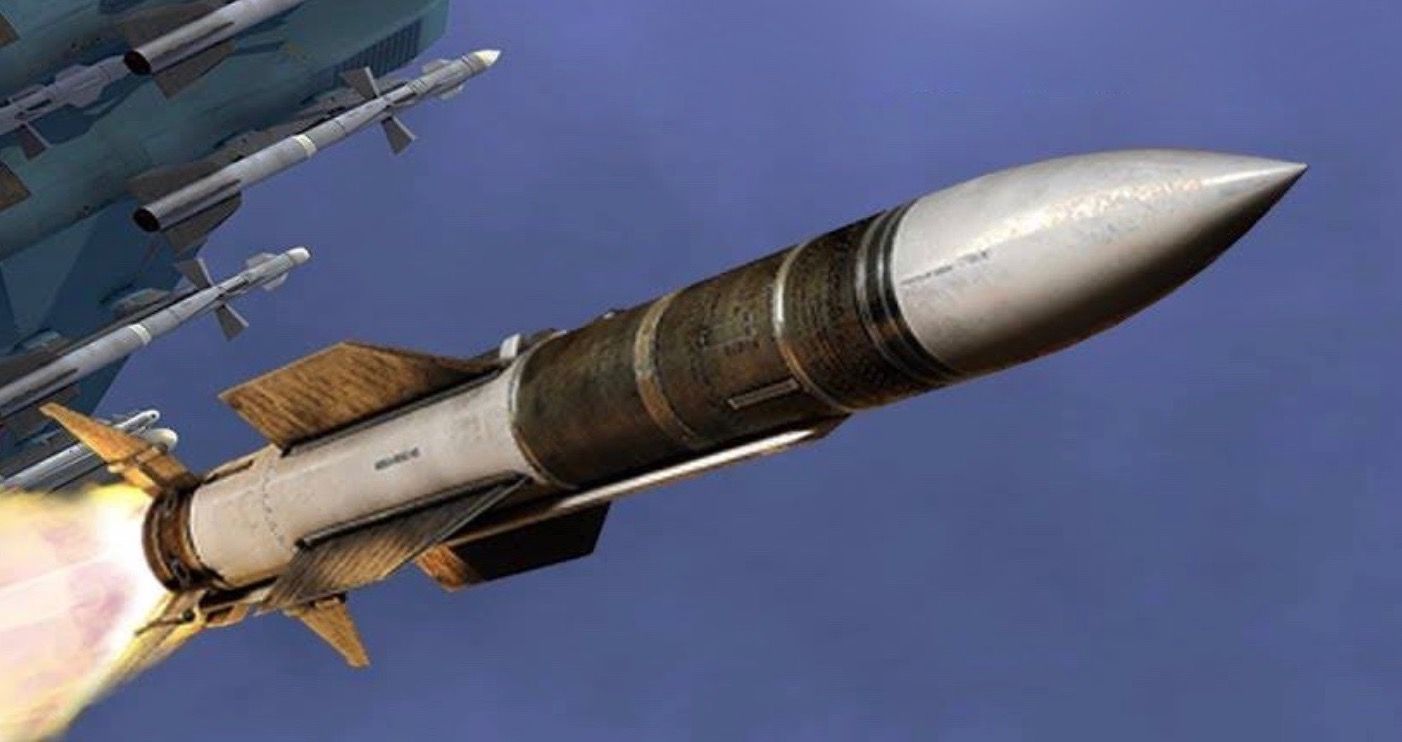
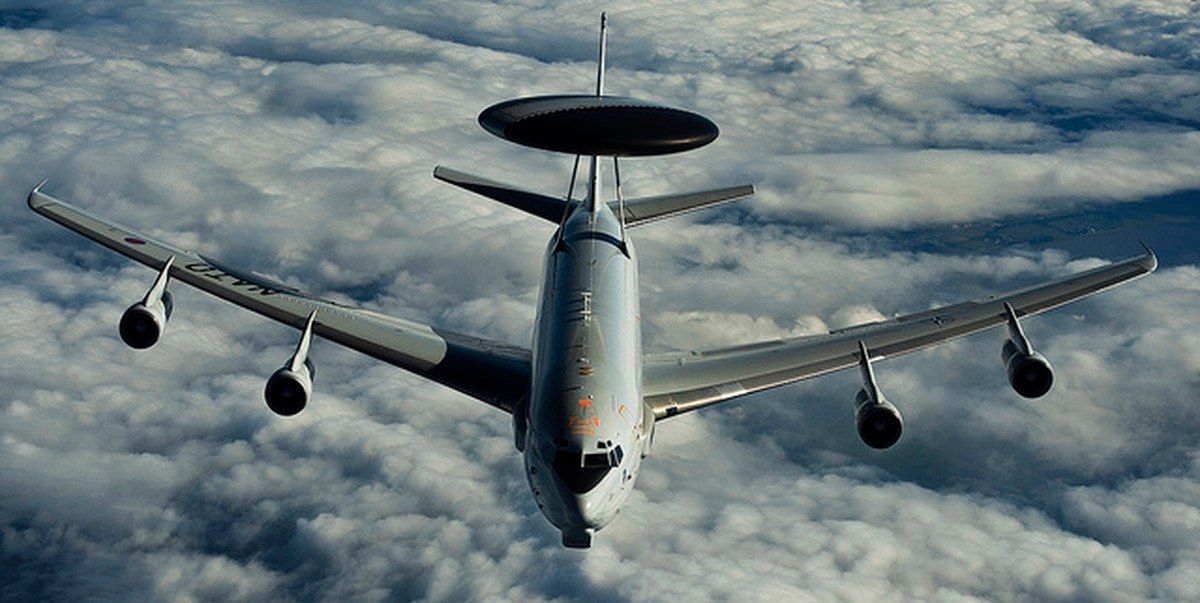
Hypersonic air to air missiles are today widely deployed by only two operators, Russia and Taiwan. The Russian Air Force deploys these munitions for an ‘AWACS hunter’ role to engage heavy enemy support aircraft such as tankers, Airborne Warning and Control Systems and heavy bomber at extreme ranges. While Russia previously fielded the K-100, with a 400km range capable of speeds of Mach 3.3, and the more precise but shorter ranged R-33 capable of striking targets 300km away at Mach 4, the newer R-37 combines an impressive 400km engagement range with speeds of Mach 6. The missile was initially deployed by Russian MiG-31 Foxhound interceptors, with the specialised R-37M variant later developed for the Su-35 and Su-57 next generation fighters. The R-37M replaced the original’s semi active seeker with a variant of the Agat 9B-1388 active seeker, to allow the missiles to operate against targets at extreme ranges without guidance from the Foxhound’s powerful Phazotron Zaslon passive electronically scanned array radar.
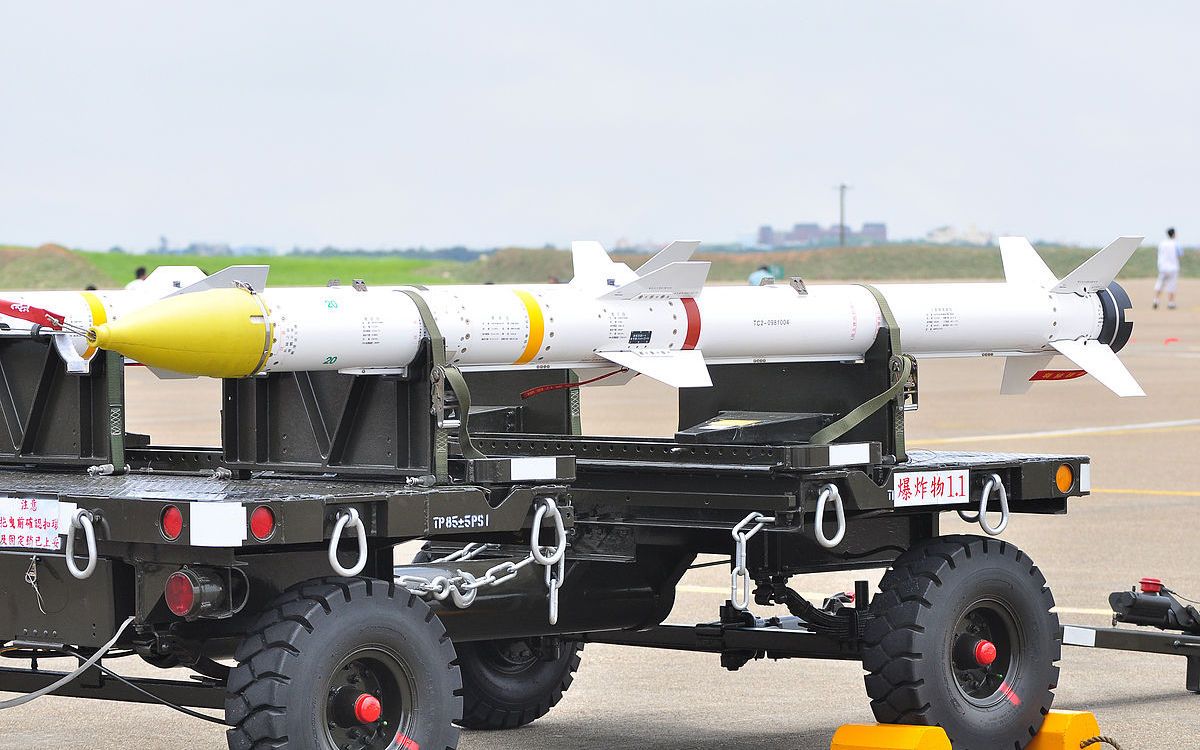
The second widely deployed hypersonic air to air missile, also capable of speeds of Mach 6, is the TC-2C variant of the Taiwanese Sky Sword II - approximately 50% faster than the AIM-120C missiles deployed by the country’s U.S. built F-16 fighters. Unlike the R-37, the missile is not primarily intended as an ‘AWACS hunter’ to engage enemy support aircraft at extreme ranges - but rather is intended to counter fighters of the Chinese People’s Liberation Army (PLA). Developed by the National Chung-Shan Institute of Science and Technology, the missile was designed to equip domestically manufactured Taiwanese jets including the F-CK Ching Kuo and F-5E - the latter being an American third generation design of which hundreds were manufactured under licence. The aircraft, which are themselves considerably less capable than their counterparts in PLA service, thus gained the ability to better engage enemy fighters across the Taiwan Strait - with the munitions also providing them with a 100km engagement range. While still outranged by the PLA’s higher end air to air missiles such as the PL-15 (150km) and R-27ER (130km), induction of Sky Sword II nevertheless went a long way towards ensuring that Taiwanese fighters’ disadvantage in the air would be less overwhelming.
A third missile which is scheduled to enter service in the near future is the Chinese PL-XX, also known as the PL-21, which retains a similar role to the Russian R-37 and is to be deployed by the country’s J-16 strike fighters. The platform’s similarity in both its role and its expected specifications to the R-37M, both of which appear to have been developed in parallel, has led to considerable speculation that Russia and China are cooperating on this weapons program - which would strengthen both states’ ability to threaten vital support aircraft deployed by their common adversaries. The missile retains an approximate range of 400km, and is expected to be able too strike targets at speeds of between Mach 5 and Mach 6. Unlike the Sky Sword II, this missile is reportedly not intended for deployment against fighter sized targets but instead as another ‘AWACS hunter.’ The ability to engage aircraft at hypersonic speeds not only increases the range and fuel efficiency of a missile, but it also reduces the target’s warning time and increases the ‘no escape range’ which is valuable against both fighters and support aircraft.
While American and European next generation air to air missiles such as the AIM-120D and Meteor have yet to reach hypersonic speeds, despite their considerable ranges, it is likely that such technologies will eventually be developed either for future variants of current platforms or for entirely new missile types. It is likely that developers of the upcoming AIM-260 air to air missile will at least consider designing them with hypersonic capabilities, although with the Mach 4 AIM-120D already costing $2 million each whether a faster and more advanced missile can be manufactured at a reasonable price remains in serious question. While Russia and China both widely deploy hypersonic surface to air missiles as part of their long range air defence networks, including the munitions used by the S-300PMU-2, S-400 and upcoming S-500 systems some of which can reach speeds around Mach 15, reported U.S. plans to develop hypersonic aircraft including planned ’SR-72’ surveillance plane and bomber may well lead it to increase investments in hypersonic air to air missiles for an interceptor role. While China’s air to air missiles such as the PL-15 enjoy a considerable range advantage over the Taiwanese Sky Sword 2, it remains possible that it could attempt to develop new platfomrs capable of combining longer ranges with high hypersonic speeds for an anti fighter role alongside the development of the ‘AWACS killer’ PL-XX to better ensure an overwhelming advantage in the case of a Taiwan Strait air war.
