
Taiwan in Talks to Buy American SeaGuardian Drones - Military Implications For the Taiwan Strait
Military Watch Magazine Editorial Staff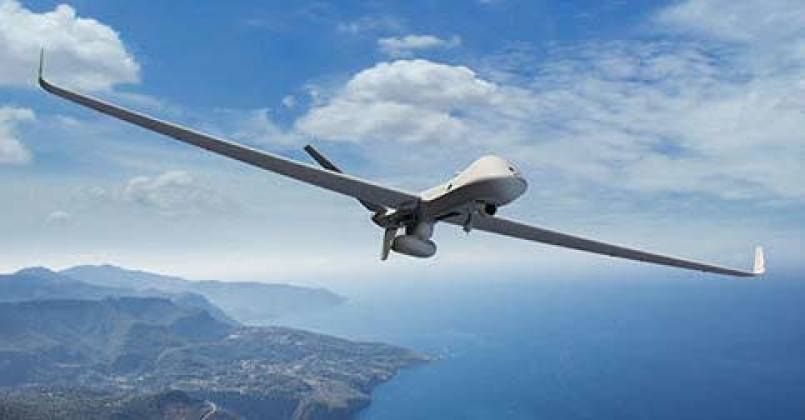
General Atomics SeaGuardian Drone
Taiwan and the United States are widely reported to have begun negotiations for the sale of at least four SeaGuardian surveillance drones, which are expected to improve the Taiwanese Air Force's ability to observe airbases, air defences and missile sites across the Taiwan Strait on the Chinese mainland. The SeaGuardian is a proposed variant of the General Atomics MQ-9 Reaper drone, a design which has been in service since 2007 and saw its first flight in 2001. The Reaper was initially designed solely for surveillance and reconnaissance, but was subsequently modified to operate as an attack platform. The MQ-9 is itself closely based on the MQ-1 Predator, which first flew in 1994 and has been in service for 25 years, with the U.S. Military already having phased the Predator out of frontline service and looking to phase out the Reaper due to its growing obsolescence when compared to more modern drone designs.
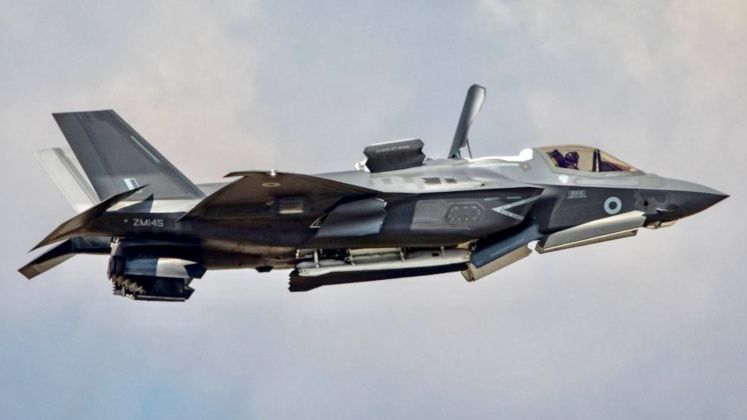
The possible acquisition of Reaper drones of the SeaGuardian variant follows multiple major Taiwanese contracts to acquire Western arms over the past two years, in which period it has committed to purchasing over $10 billion of Western weaponry including new F-16V ‘4+ generation’ fighters and M1A2 Abrams battle tanks. Like the Reapers, these have almost all been ageing systems which are no longer being purchased by the U.S. Military itself, with the U.S. denying Taiwan access to more modern weaponry such as the F-35B stealth fighters which it had sought to acquire. The reasons for this include strong sentiments on the territory supporting mainland China, meaning sensitive technologies could more easily be compromised, and the possibility of a Taiwanese reunification with the mainland would would likely place its arsenal in the hands of a competitor to America’s defence sector.
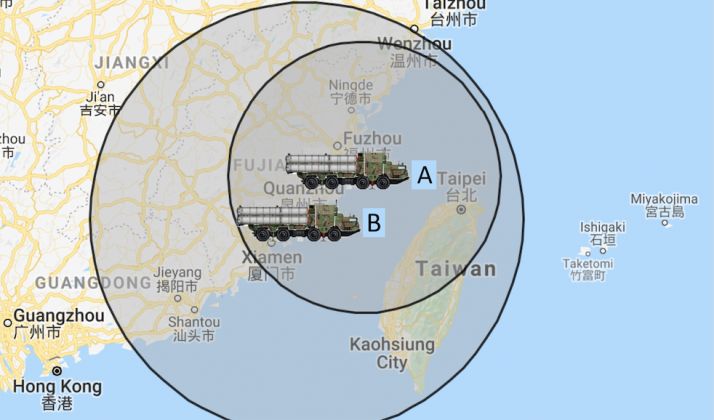
The SeaGuardian has number of differences from the standard Reaper design, most notably the integration of the more powerful Multimode 360 Maritime Surface Search Radar for improved surveillance capabilities, as well as an automatic identification system. The drone will provide a surveillance capability which is far more expendable than Taiwan’s existing E-2 Hawkeye ‘flying radar’ manned platforms - which were designed for airborne early warning and control but also carry powerful radars well suited to some kinds of surveillance. Taiwan’s position in the event of a cross-straits air war remains dire however, as not only have the technological and budgetary gaps between its armed forces and those of the Chinese mainland grown rapidly by the year, leaving its aircraft overwhelmingly outmatched by newer designs which are both decades ahead technologically and over twice as heavy, but the territory’s entire airspace is also now covered by mainland air defence systems if they are deployed near the coast. With Taiwan unable to obtain stealth aircraft from the U.S., this will leave any aircraft it flies including Reaper drones extremely vulnerable to missile attacks carried out at hypersonic speeds.
