
America’s Replacement for the MQ-9 Reaper Expected to Use Artificial Intelligence and Learn From Experience
Military Watch Magazine Editorial Staff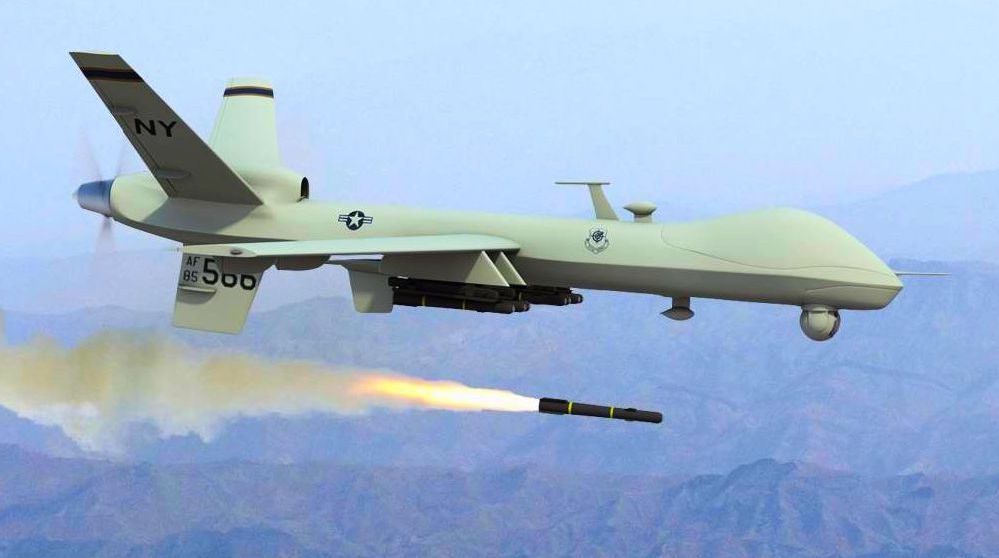
MQ-9 Reaper Attack Drone
Following reports that the U.S. Air Force planned to replace its MQ-9 Reaper attack drones in the near future, a number of defence analysts have speculated that the replacement platform is likely to be flown by artificial intelligence rather than remotely piloted. Entering service in 2007, the U.S. Air Force deploys over 300 Reaper drones which have been deployed for missions from Pakistan and Afghanistan during the Barak Obama administration’s ‘Drone Wars’ to Syria and Iraq more recently. The drone was used to carry out the assassination of the commander of Iran’s Revolutionary Guard Corps Qasem Soleimani in January 2020 under a CIA operation. While lethal against targets such as jihadists insurgents, the Reaper is seriously underpowered to face off against near peer adversaries which is the growing focus of the U.S. Military and rising tensions with China, North Korea and Russia.
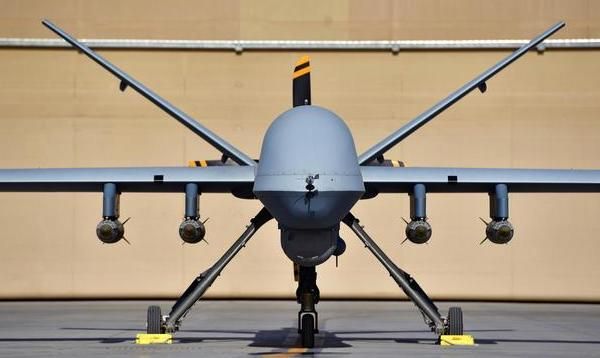
The U.S. Air Force’s request for information on a next generation unmanned intelligence-strike platform was released to the aerospace industry on June 3rd, although officials stressed that the acquisition strategy had yet to be determined and no one know how much the new drone was expected to cost. The drone would reportedly feature “autonomy, artificial intelligence [and] machine learning.” The Reaper’s replacement would also likely make use of the Skyborg artificial intelligence system that the Air Force Research Laboratory is currently developing. While the U.S. formerly held a massive lead in drone technologies, it has increasingly been challenged by an advanced Chinese drone program with China being the first country in the world to deploy drones capable of hypersonic flight in 2019. China’s drone program, its stealth drones in particular, are thought to have benefitted from the loss of an RQ-170 surveillance drone over Iran in 2011 with the Iranians sharing information gained from the sophisticated platform’s airframe with their Chinese defence partners. This technology paired with that from China’s own sizeable defence sector has provided the country with a leading defence sector, which is poised to equip its own next generation unmanned combat aircraft with artificial intelligence by the end of the decade. These include multiple ambitious programs including a full sized unmanned fighter jet, the Dark Sword, and an unmanned light bomber, the Sharp Sword, among others.
