
U.S. and Russia Square Off Above the Arctic Circle with B-1B Bombers and MiG-31BM Foxhounds
Military Watch Magazine Editorial Staff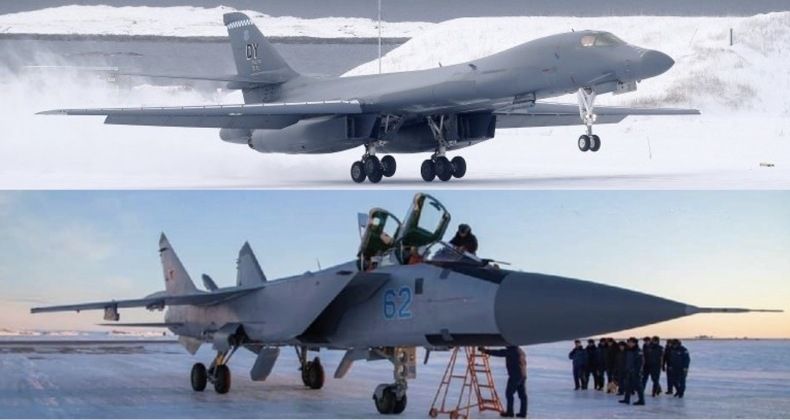
B-1B and MiG-31 Foxhound Jets Deployed Above Arctic Circle
The U.S. Air Force has for the first time landed a B-1B Lancer supersonic heavy bomber at an airbase inside the Arctic circle, with a single aircraft touching down at the Norwegian Air Force's Bodø Air Base on March 8th after departing from its temporary base at Ørland Air Station in southern Norway. The deployment involved a temporary stop and refuelling, with the B-1B considered too high maintenance and too fragile for a lengthly deployment in such a climate. Four Lancers have been deployed in Norway since February, which comes amid growing U.S. investments in developing Arctic warfare capabilities for deployment near the Russian Arctic. The Lancers, which came from the 7th Bomb Wing, were previously deployed at Dyes Air Force Base in Texas. The B-1B is the only class of active supersonic bomber in the Western world, although it has faced serious issues with maintenance and saw availability rates fall below 10% in 2019. The aircraft its nevertheless prized for its ability to deploy a wide range of advanced cruise missiles for both strike and anti shipping missions.
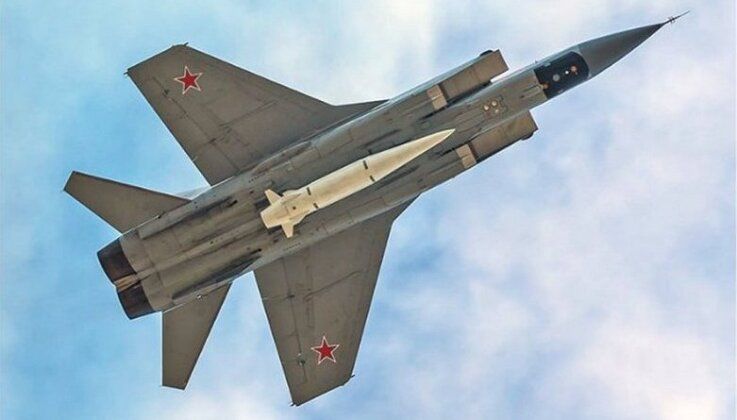
Deployment of the B-1B follows moves by Russia to vastly expanded its military presence in the Arctic with a range of advanced new weapons systems. These have included shorter ranged and smaller strike aircraft which are neverthless faster and able to deliver longer ranged and faster munitions than those of the B-1B, including Su-34 and MiG-31K aircraft. Russia’s most dangerous and heaviest aircraft built for air to air combat, the MiG-31BM Foxhound, has also been deployed to the region and can track and engage B-1B bombers at ranges of 400km. The first ever MiG-31 deployment above the Arctic Circle was notably made little under a month before the B-1B's own first deployment, but unlike the American bomber the Russian interceptors are durable and low maintenance enough to be permanently stationed in the harsh climates. Russia has expanded airfields closer to the Arctic circle to accommodate more combat aircraft, and has deployed a range of advanced air defence systems including S-400, Tor and Pantsir systems. As the Arctic represents a theatre of growing strategic importance for both Russia and the West, it is expected that more high end weapons systems will be deployed to the region by both sides over the coming years.
