
Arctic Warfare Near Russia's Border: Norway Will Imminently Host American B-1B Supersonic Heavy Bombers
Military Watch Magazine Editorial Staff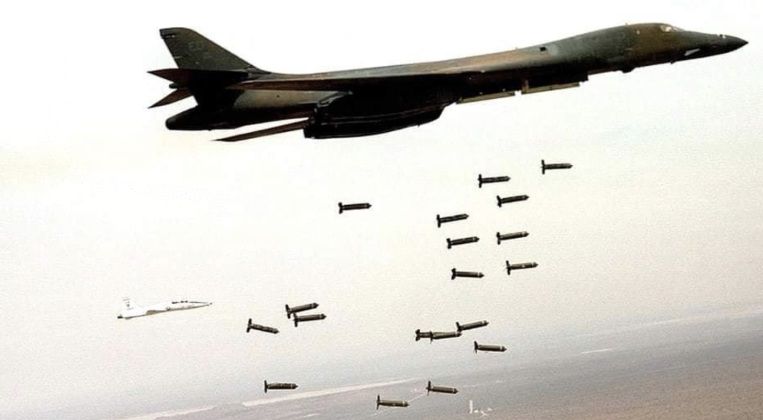
B-1B Lancer Heavy Bomber
Approximately 200 airmen from the U.S. Air Force have deployed to Norway’s Ørland Air Base near the country’s west coast in preparation for the deployment of B-1B Lancer heavy bombers. This comes amid a growing U.S. military presence in the country with a focus on Arctic warfare, and at a time of growing defence cooperation between the United States and Norway the latter which recently inducted its first American-supplied F-35 stealth fighter squadron into service. The head of base’s 132th Air Wing, Øivind Gunnerud, stated regarding the planned deployment of B-1B bombers: "The planes will arrive in February, depending on how long it will take to get through preparations for crews, among other things with regard to infection control and coronavirus… The planes will be here for a month, but it can be shorter or longer. Depending on how this goes.” The deployment has been met by some opposition particularly from leftist elements in the northern European country, with political figures claiming that deployment the bombers would place Norway in the firing line amid escalating tensions between Russia and the United States. The potential threat of an inflow of American personnel spreading COVID-19 has also been raised - a serious issue previously faced in other areas hosting U.S. military facilities such as Okinawa.
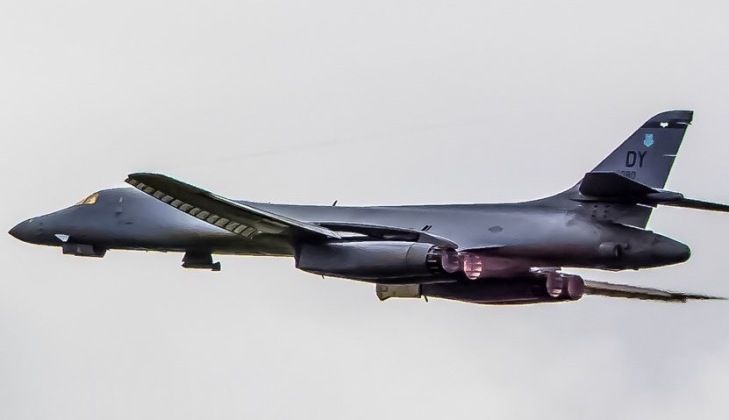
The B-1B is one of three classes of heavy bomber in service in the U.S. Air Force, which is the only service in the Western world that deploys such aircraft. The bombers were designed for low level supersonic penetration of Warsaw Pact airspace during the Cold War, and although vulnerable to modern air defence systems due to their lack of stealth capabilities the aircraft are heavily armed with standoff cruise missiles allowing them to strike from well beyond the range of enemy anti-aircraft weaponry. The bomber’s long range, high speed and high payload allows it to threaten targets across the Arctic, where Russia has deployed an advanced defence network with fast growing capabilities including S-400 air defence systems and MiG-31BM Foxhound heavy interceptors among other assets. The deployment of Russian strike assets to its north western regions means Ørland Air Base which will host the B-1Bs can potentially be seriously threatened in the early stages of a potential conflict by weapons such as Kinzhal hypersonic cruise missiles. The B-1B has faced a number of very serious reliability issues particularly over the past two years which have at times left over 90% of the fleet inoperable, as the aircraft’s age and complexity have made maintenance difficult. The Lancers are expected to be replaced by B-21 stealth bombers in the early 2030s.
