
U.S. Bomber Fleet May Shrink Temporarily as Troubled B-1B Lancer Faces Likely Early Retirement
Military Watch Magazine Editorial Staff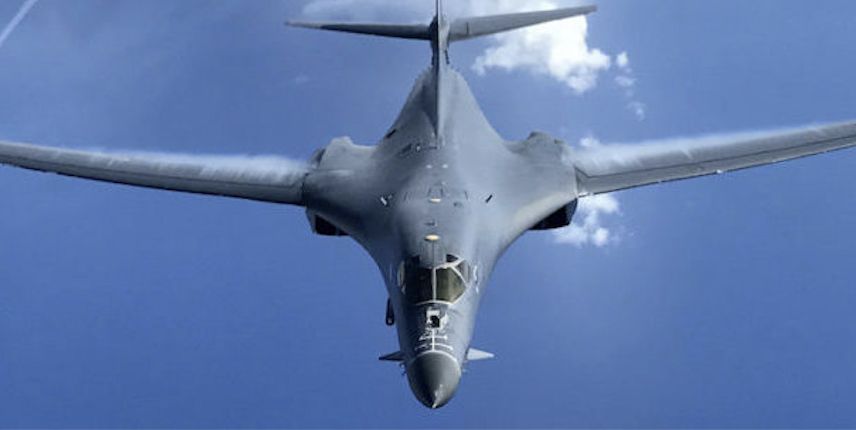
B-1B Lancer Swept Wing Heavy Bomber
As the U.S. Air Force considers retiring a large portion of its legacy combat jets to save funds for reinvestment in more modern aircraft, the B-1B Lancer heavyweight variable swept wing bomber has been a leading candidate for early retirement due to its increasingly limited capabilities, very low availability rates and high operational costs. The U.S. Air Force has continued to face difficulties operating the Lancer , with the aircraft’s very high maintenance requirements and operational costs leaving over 90% of the fleet out of service in 2019. The B-1B fleet was initially scheduled for complete retirement in the mid 2030s, when they would be replaced by larger numbers of B-21 Raider stealth bombers, but ongoing reliability issues and rising operational costs could force the Air Force to retire the aircraft early - with some Lancers potentially leaving service before 2025. This would force the Air Force to temporarily make do with a much smaller bomber fleet, with the Lancers comprising four of the eleven serving squadrons alongside five Vietnam War era B-52H squadrons and two small B-2 Spirit squadrons.
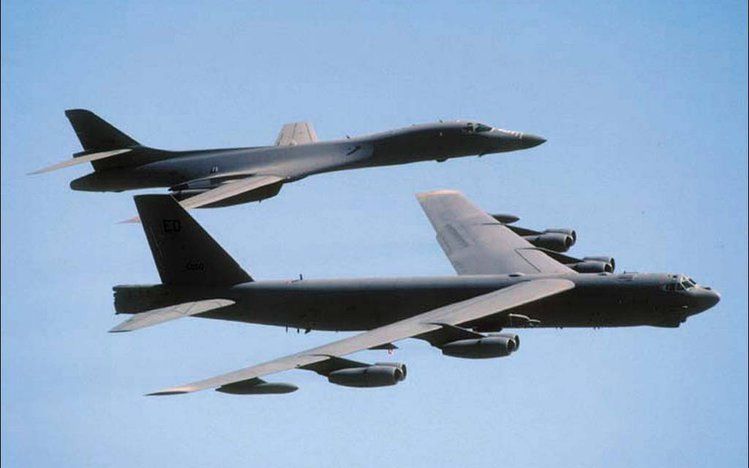
The B-1B is currently considered obsolete in its original role of penetrating enemy air defences at low altitude, and has been equipped for a similar role to the B-52H - precision strikes at extreme range using standoff missiles. While the B-1B was never capable of taking over the B-52H’s role, due to a combination of factors including its far lower sortie rate and lack of nuclear capabilities, the B-52H fleet can potentially take on an additional burden temporarily until the next generation B-21 is available for service in sufficient numbers to again expand the bomber fleet to previous levels.
