
Over 90% of America’s B-1B Heavy Bomber Fleet is Unfit for Combat
Military Watch Magazine Editorial Staff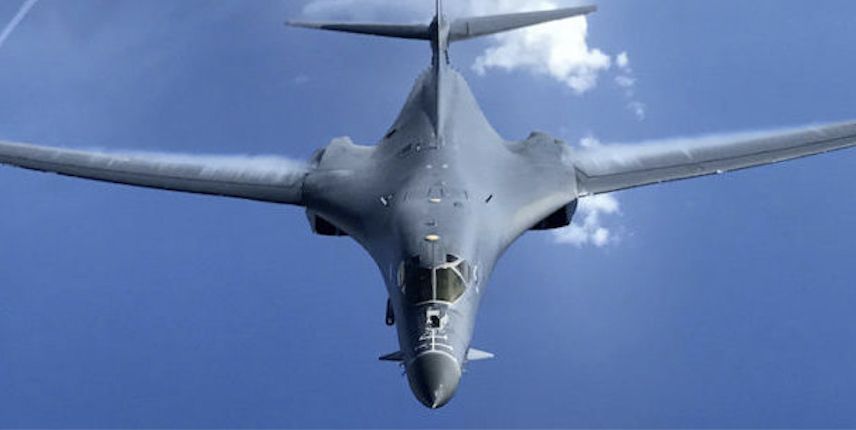
B-1B Lancer Heavy Bomber
Recent reports have indicated an extremely low state of combat readiness among the U.S. Air Force’s fleet of B-1B Lancer heavy bombers, despite the service’s attempts from late 2018 to urgently increase availability rates of all serving combat platforms. Of a fleet of 61 Lancers, only six are currently fully mission capable - with 15 in depot maintenance and the remaining 40 otherwise unavailable. This equates to an astounding combat readiness rate of under 10%, which in light of growing competition with near peer powers places the United States in a particularly weak position. The cause of the low combat readiness rate was, according to U.S. Strategic Command Chief John Hyten, due to both a wearing out of the fleet for extensive deployments and a lack of stable funding for maintenance. Referring to the bombers he stated: “We were just beating the heck out of them, deploying them, deploying them.”
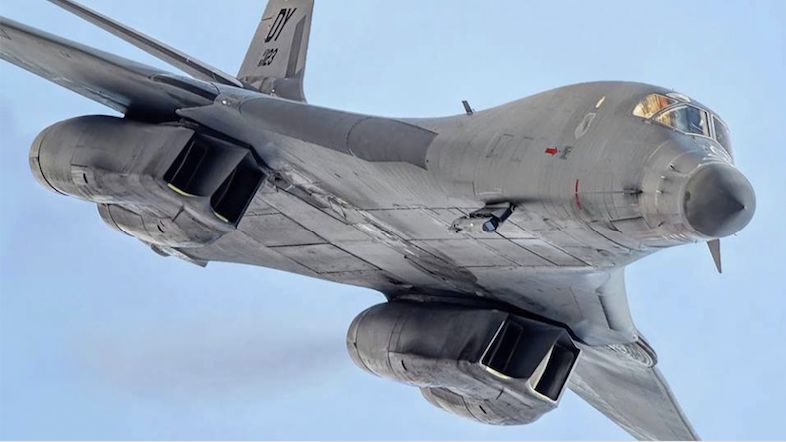
The B-1B saw particularly extensive service in 2017 during the United States’ standoff with North Korea, where it not only participated in major war games but also carried out frequent mock sorties over South Korean territory striking mock North Korean targets. The House Armed Services Seapower and Projection of Forces Subcommittee noted regarding issues with the B-1B’s combat readiness rates: “The committee is concerned B-1 readiness does not have the priority and resources to improve B-1 mission-capable rates. This is evidenced by fully mission capable aircraft currently in single digits and aircrew being rerouted from flying the B-1 to other aircraft due to lack of B-1 aircraft for training.” As the bomber first began to enter service over 30 years ago in the waning years of the Cold War, a wearing out of the complex variant swept wing airframes has been cited by a number of sources as a key cause for low availability.
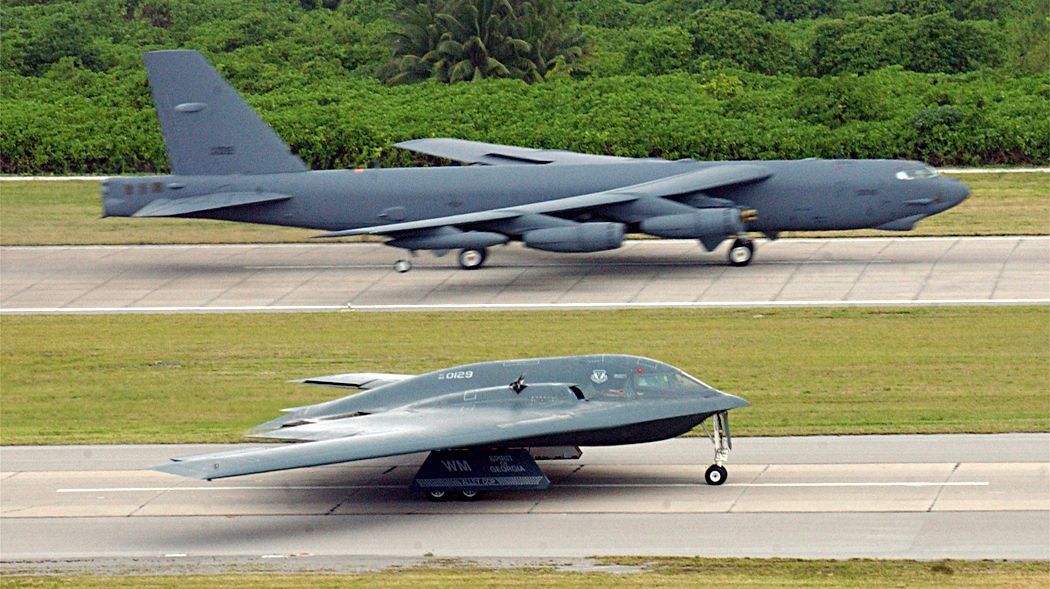
The B-1B Lancer is the only supersonic heavy bomber to ever enter service in the U.S. Air Force, and is one of three classes of bomber in service today alongside the B-52H Stratofortress and the B-2 Spirit. The aircraft first entered service in 1986, and have since been extensively modernised to deploy advanced standoff munitions for both ground attack and anti shipping roles. The capabilities of the aircraft make it the most well rounded Western bomber in service, with the B-2 Spirit requiring very high maintenance, having an extremely low sortie rate and very limited in its standoff capabilities. The B-52 by contrast has access to a number of unique standoff munition types such as the AGM-86 as well as to nuclear weapons, and requires considerably less maintenance than the Lancer, but is very old, slow and vulnerable at even intermediate ranges. Thus the B-1B appears to strike a balance between the two. Alongside the B-2, the Lancer is expected to be retired in the mid 2030s for replacement by the B-21 Raider, a stealthier platform integrating technologies several decades ahead of all currently serving bombers. Over 200 Raiders are expected to be produced, which alongside B-52 units still serving will allow the Air Force to considerably expand its bomber fleet. The B-21 is reportedly being designed to prioritise low maintenance, a lesson learned from the primary weakness of the B-2, and this remains critical to facilitate a large fleet size.
