
U.S. Air Force Building First Prototype B-21 Raider; Ambitious Bomber Program to Issue In a New Generation of Stealth
Military Watch Magazine Editorial Staff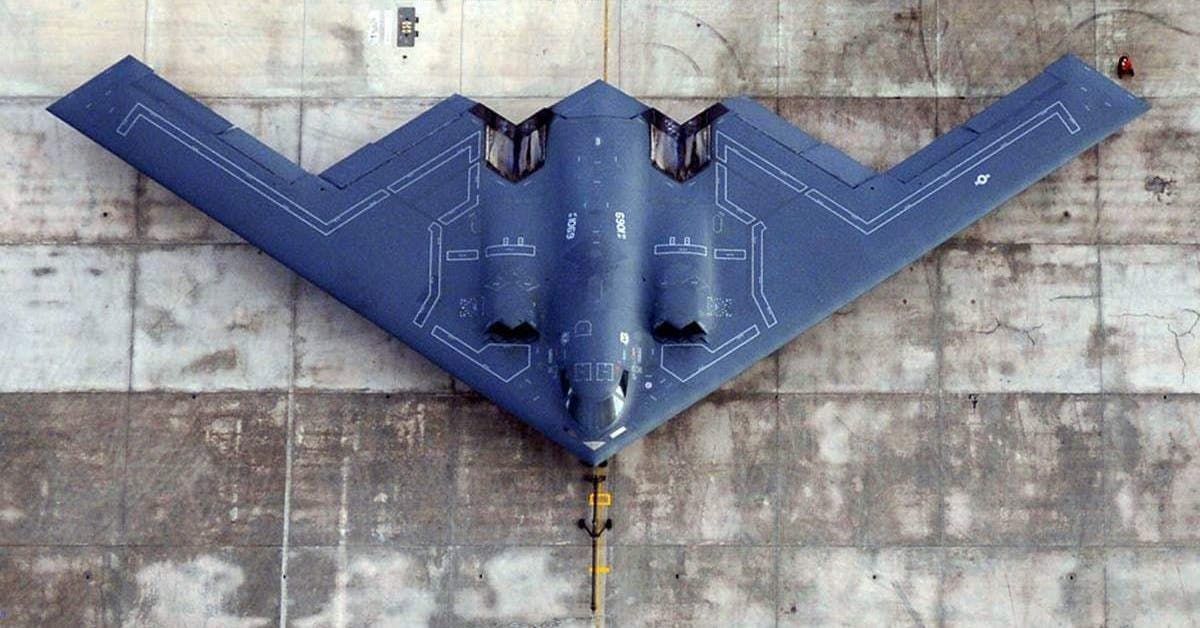
U.S. Air Force B-2 Spirit Stealth Bomber
The U.S. Air Force has reportedly begun to build the first prototype of the new B-21 Raider strategic bomber, a platform designed to replace the B-1B Lancer and B-2 Spirit in the American inventory and bring a number of new capabilities to the field. Officials reported in 2015 that an order of 80-100 B-21 bombers was initially planned at a relatively low program cost of $20 billion, although this has since increased considerably with most recent estimates of the B-21 fleet size placing it at over 200 platforms. The bomber will reportedly be designed to reduce operational costs and maintenance requirements relative to its notoriously delicate and high maintenance predecessor the B-2 Spirit, and will come at a fraction of the cost to manufacture. Where the B-2 was designed primarily with the European theatre in mind for a war with the Soviet Union, the B-21 is being primarily developed to for combat in the Asia-Pacific with China in particular being singled out as a leading potential target. The B-21 is being developed in parallel with a sixth generation fighter jet, the Penetrating Counter Air Fighter, both of which are intended to retain a high endurance and operate far behind the lines of the Chinese People’s Liberation Army and other adversaries to neutralise high value targets.
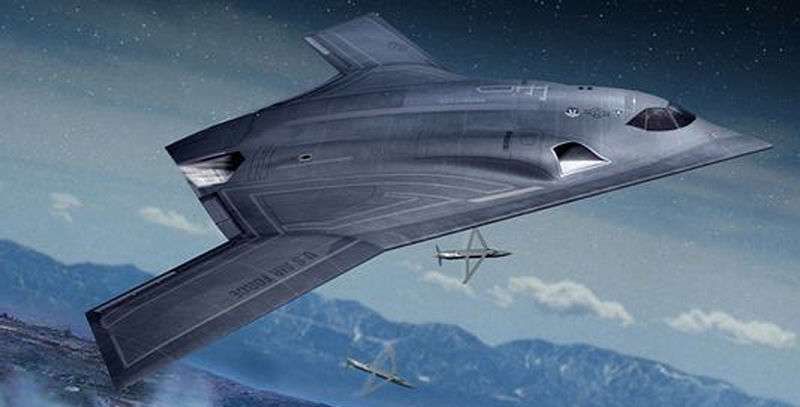
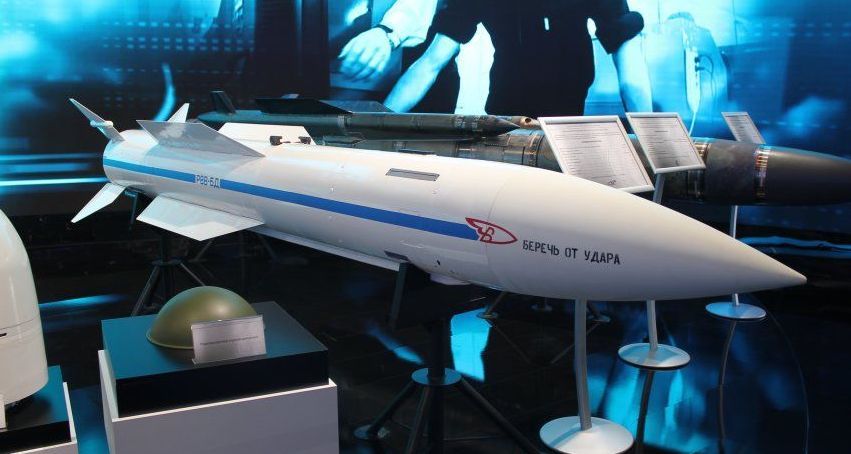
U.S. Air Force Chief of Staff General David Goldfein stated regarding progress in developing the B-21: “We’re closely monitoring the build of the additional test aircraft and associated software to support the first flight… Our confidence remains very high in this program.” The ambitious mission of the bomber is to “hold any target at-risk, anywhere in the world, at any time” - which necessitates the ability to evade attacks from all known air defences systems and aircraft including state of the air new systems such as the Russian S-500 missile system and R-37M air to air missile. According to a recent report by the Mitchell Institute, which compared the bomber to the preceding generation developed in the final days of the Cold War, “the computational capabilities that were available to design the F-117 and B-2 are dwarfed by the power now available to design teams.”
The move to build a prototype of the B-21 came following a design review which assessed a number of the bomber’s technologies, bringing the Raider into the ‘Engineering Manufacturing and Design Phase’ in which weapons systems would be built. Prototypes of subsystems including weapons, sensors and avionics will be required for this development phase. For stealth aircraft building the first prototype can often be the most challenging phase of development, as without specialised production lines manufacturing the components to the precise specifications needed for a radar cross section reducing profile can be extremely challenging. The prototype is likely to be the stealthiest combat aircraft ever built - a position currently held by the B-2 Spirit of which 20 are currently in service. While stealth fighters such as the F-22 and F-35 and their foreign counterparts such as the Chinese J-20 are not designed to be invisible to radar - but rather to increase difficulties of locking on and targeting particularly at long ranges - stealth bombers using a flying wing design are designed to evade radars of all frequencies. Similar platforms are currently under development in China and Russia under the H-20 and PAK-DA programs respectively.
