
U.S. Plans for a High Endurance Sixth Gen. Fighter to Escort New B-21 Bombers Into Chinese Airspace
Military Watch Magazine Editorial Staff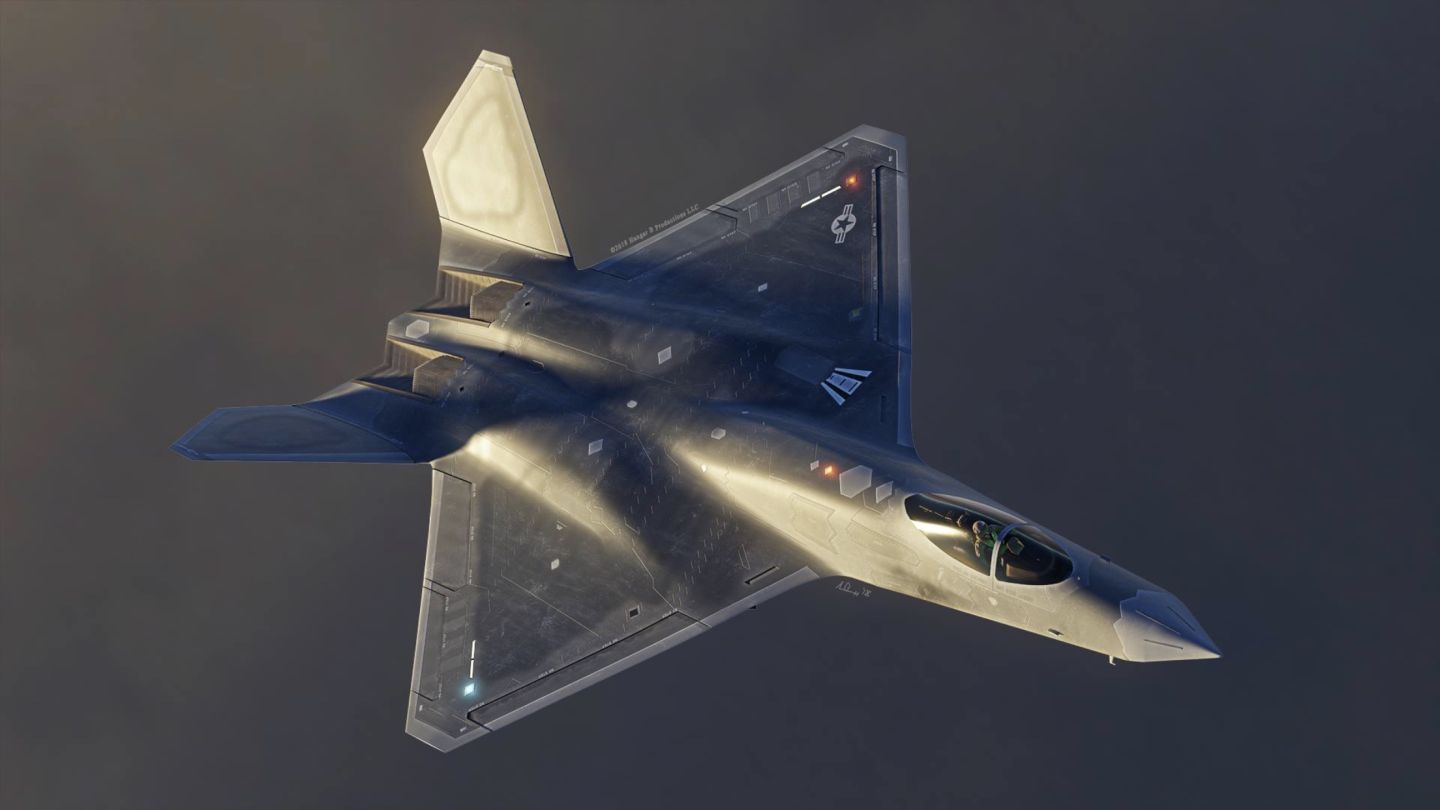
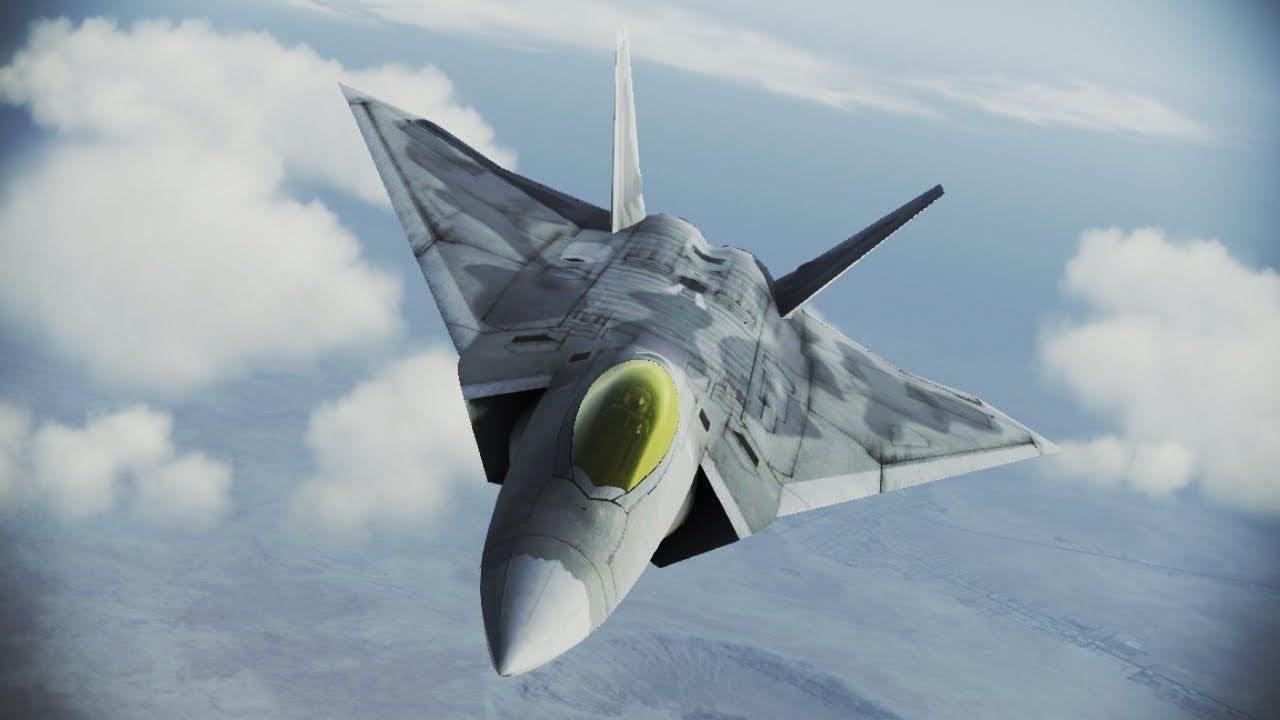
U.S. Next Generation Stealth Fighter - artwork
With the U.S. Air Force reportedly planning the induction of over 200 B-21 Raiders as part of its plans to expand its bomber fleet from nine to fourteen squadrons, while also retiring over 80 B-1B and B-2 bombers currently in service, a new fighter aircraft is reportedly being planned to escort the future bomber on long range missions over enemy airspace. Little is currently known about the B-21, but the design reportedly improves heavily on the B-2 Spirit which is notorious for its extreme maintenance requirements, fragility and massive operational and acquisition costs. With an expected cost of under $550 million per aircraft, the Raider will come at little over a quarter of the cost per aircraft of the $2.1 billion B-2, which combined with expected low maintenance and operational costs will allow it to be fielded in much larger numbers. The Raider is speculated to be able to achieve supersonic speeds, integrating a number of improvements to the basic flying wing design concept of the B-2, and will also improve on the Spirit’s stealth capabilities for superior evasion of enemy sensors.
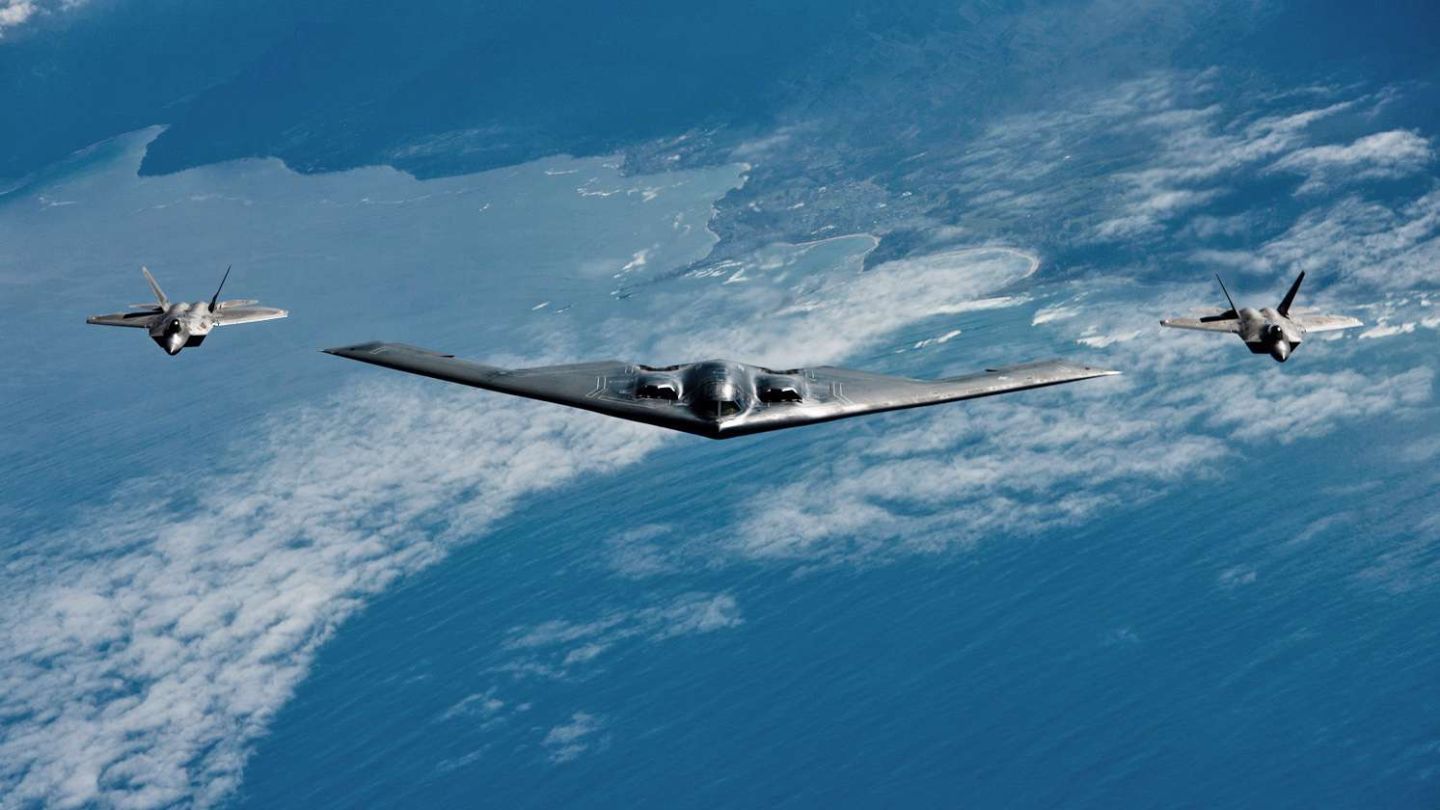
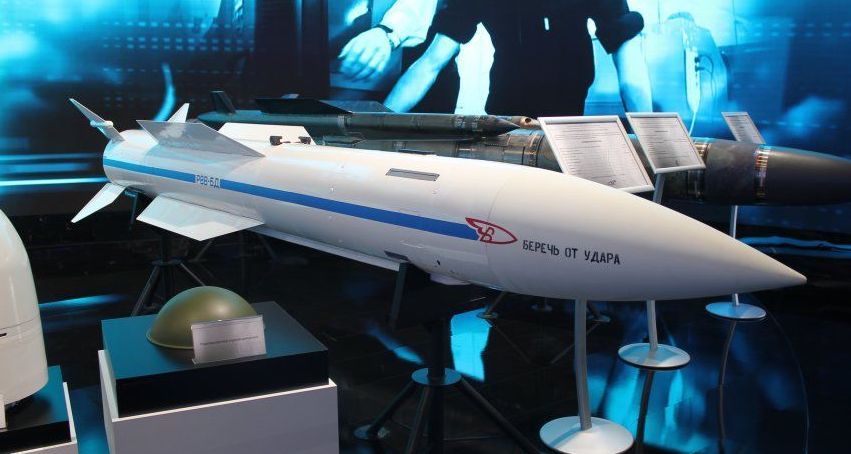
Even with high end next generation capabilities, the B-21 is potentially highly vulnerable on longe range missions where it could be required to penetrate heavily defended enemy airspace - hence the requirement for a high endurance air superiority fighter capable of providing protection. Air defences of China, Russia and to a lesser but still significant extent North Korea, can otherwise pose a serious threat to these bombers - with platforms such as the S-400 and S-300V4 and upcoming S-500 and HQ-9C fielding powerful sensors and state of the art anti-stealth capabilities and capable of deploying high end long range hypersonic surface to air missiles such as the 40N6 which can exceed speeds of Mach 10. These are complemented by a particularly potent threat to relatively slow, heavy and unmanoeuvrable bomber-type aircraft - advanced air superiority fighters and interceptors such as the Russian Su-35 and MiG-31BSM. By the time the B-21 is deployed, they will be expected to face large numbers of fifth generation fighters such as the Chinese J-20 and Russian Su-57 - as well as advanced hypersonic air to air missiles such as the PL-21 and R-37M which are intended specifically to destroy high value heavy aircraft at extreme ranges.
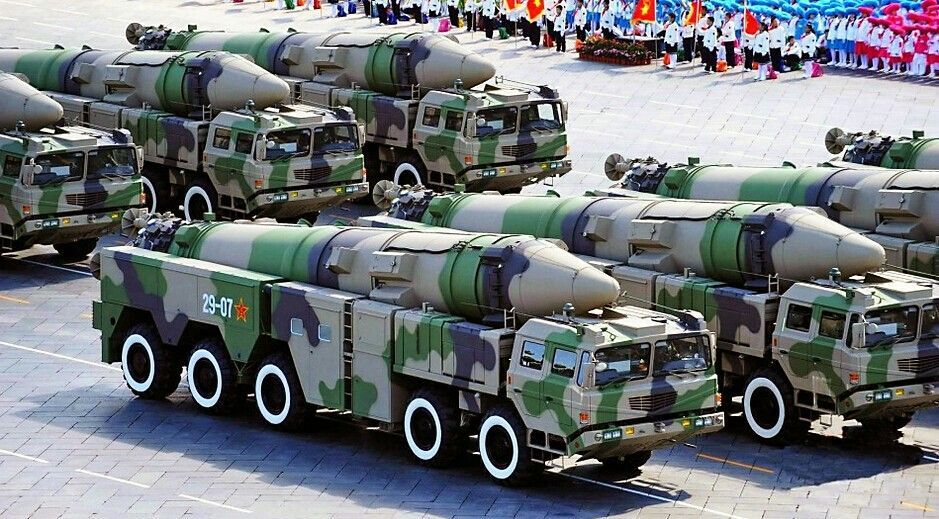
Known as the Penetrating Counter Air Fighter (PCA), the concept of a new air superiority fighter first emerged during the U.S. Air Force Association's 2016 annual conference. The report from the conference stated that wargames had revealed serious limitations in the B-21’s ability to penetrate deep into Chinese airspace - with the Chinese People’s Liberation Army (PLA) apparently the primary target of the new weapons system as it emerges as the Western Bloc’s leading near-peer competitor. In particular, while reportedly sufficient to carry out sorties against Chinese assets in the East Coast, where the vast majority of military assets and the country’s major population centres are situated, the Raider’s ability to reach China’s far West where the PLA’s nuclear armed strategic ballistic missies such as the DF-5 are primarily situated remains highly limited. Tactical missiles such as the DF-26 and DF-21D ‘carrier killer’ are also priority targets, and as they are primarily deployed to and highly capable of operating from China’s interior - often from heavily fortified facilities which standoff cruise missiles with relatively light payloads would struggle to penetrate. The performance requirements for both the B-21 and the new fighter, therefore, will be extremely high - necessitating not only the penetration of what is perhaps the most heavily defended airspace on earth but also deep penetration several hundred kilometres behind enemy lines.
The U.S. Air Force’s 2030 Flight Plan stated regarding plans for the Penetrating Counter Air Fighter and the program’s performance requirements: “PCA will focus on maximising tradeoffs between range, payload, survivability, lethality, affordability, and supportability. While PCA capability will certainly have a role in targeting and engaging, it also has a significant role as a node in the network, providing data from its penetrating sensors to enable employment using either standoff or stand in weapons.” The PCA’s design has been widely speculated, with a fighter-sized flying wing design or a heavier derivative of the F-22 Raptor, possibly based on a similar concept to the FB-22, remain possibilities. By neutralising both China’s nuclear deterrent and its tactical ballistic missiles, the U.S. Air Force hopes to both place Washington in a position to dictate terms to Beijing from a position of overwhelming nuclear superiority - while also facilitating greater ease of operations both from military facilities in the Pacific such as Andersen Air Force Base on Guam, which would be far safer from potential missile strikes, as well as allowing U.S. carriers to operate closer to the Chinese coast to launch airstrikes against targets such as military facilities and key population centres on the East Coast without fear of major retaliation.
The development of a next generation fighter with extreme endurance comes as the latest of a long series of bomber escort programs developed by the U.S. Air Force during the Cold War. These included bombers with an air to air capability, which failed during the Second World War but had some success over Vietnam, and even a concept for a bomber which carried fighters attached to its own airframe - which could detach and engage hostiles when the bomber was threatened. The late Cold War saw the emergence of bombers designed to be survivable without a fighter escort, either by relying on standoff munitions with a range of several thousand kilometres as in the case of the B-52H and B-1B or through advanced radar evading capabilities and electronic warfare systems as per the B-2. Even the B-2 however is not currently considered survivable undefended in heavily contested airspace such as that of China or Russia - and its successor the B-21 will likely see its more advanced stealth capabilities undermined as counter stealth capabilities of America’s potential adversaries continue to advance. Given the scale on which the B-21 is set to be manufactured, this could well necessitate production of its escort on a similar scale - which assuming a minimum of one escort fighter per Raider will mean a production run of over 200 fighters. Whether the Air Force will be able to afford this, and its commonality with shorter ranged next generation air superiority fighters currently under development under separate programs, remain uncertain.
