
Boeing to Equip B-52H with New Standoff Cruise Missiles as Part of Bomber Fleet Modernisation Initiative
Military Watch Magazine Editorial Staff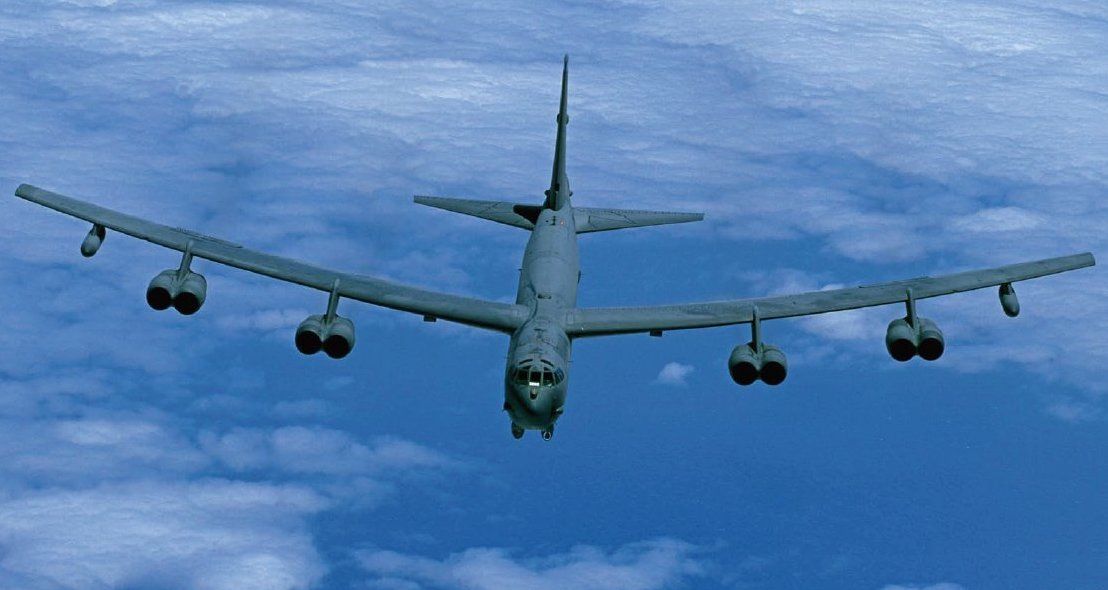
B-52 Stratofortress Heavy Bomber
The United States Air Force has awarded the Boeing company a $250 million contract to integrate the as of yet unnamed new Long Range Stand Off Cruise Missile weapon system onto its fleet of B-52H Stratofortress heavy bombers, according to a recent statement by the Department of Defence. According to the DoD, "The Boeing Company… has been awarded a $250,000,000 indefinite-delivery/indefinite-quantity contract for Long Range Stand-Off Cruise Missile weapon system integration… This contract provides for aircraft and missile carriage equipment development and modification, engineering, testing, software development, training, facilities, and support necessary to fully integrate the Long Range Stand-Off Cruise Missile on the B-52H bomber platform.” Funding for the missiles was approved by the U.S. Congress in late 2018 totalling nearly $665 million, and represented part of a wider investment in missile strike capabilities. A further $655 million was allocated to extend the life of the W80 nuclear warheads deployed by the country’s Tomahawk cruise missiles and nearly $540 million was allocated to sustaining the existing fleet of intercontinental ballistic missiles.
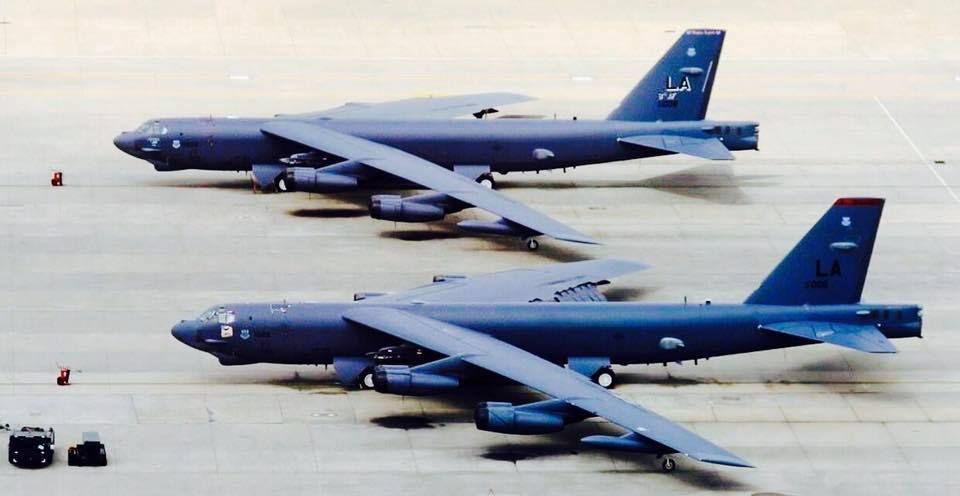
The B-52H Stratofortress remains in many ways the most capable Western bomber ever developed, combining very low maintenance requirements and a high sortie rate with powerful sensors, a very long intercontinental range and the ability to deploy a high payload of up to twenty AGM-86 standoff cruise missiles - themselves able to strike targets over 1000km away with considerable precision and advanced radar evading capabilities. The new Long Range Stand Off Cruise Missile under development is currently under development to replace the AGM-86 , which is no longer considered viable against modern air defences fielded by the country’s more capable potential adversaries such as China and North Korea. The capabilities of the new missiles remain uncertain, but their standoff range is key to guaranteeing the survivability of the B-52H which relies heavily on its ability to strike from well beyond the range of enemy anti aircraft assets.
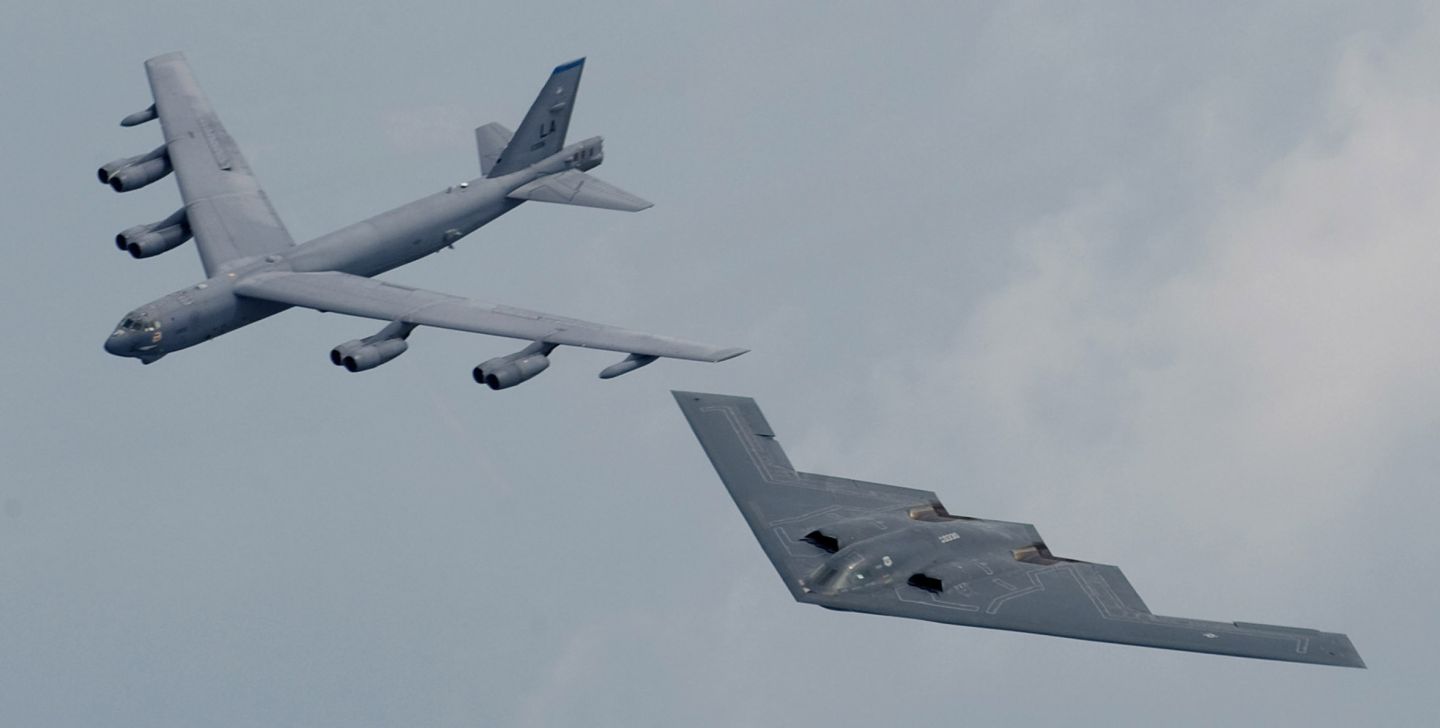
Investment in a new cruise missile for the B-52H comes as part of a broader investment in modernising American strike capabilities, and in particular upgrading the Air Force’s bomber fleet. While the B-2 Spirit bomber - a subsonic platform with no standoff weapons - has relatively little room to incorporate upgrades, a series of new upgrades have been developed to enhance the firepower of the B-52H and the supersonic B-1B Lancer. The B-2 for its part is seeing a number of new tactical nuclear weapons developed for its internal bomb bays, and its successor the B-21 may well be able to deploy cruise missiles which would serve to further enhance its survivability and complement its existing stealth capabilities. The B-1B for its part in May 2018 tested new anti ship cruise missiles - the AGM-158C - allowing the bombers to perform a ship hunting role in the Asia-Pacific using its long range, high speed and powerful sensors. It was announced in June 2018 that the B-52H would be equipped with new quadruple external weapons loads and a number of new munitions, including air launched ballistic missiles, following China and Russia’s equipping of their own H-6 and Tu-22M bombers with ballistic missiles of their own. With the B-52H set to serve alongside the Air Force’s upcoming B-21 - long after the B-2 and B-1B are retired - upgrading the Stratofortress’s strike capabilities appears to have been prioritised by the Air Force. The fate of the B-1B Lancer after retirement remains uncertain, with conversion into a gunship or dedicated anti ship platform all having been raised as possibilities.
