
U.S. Fleet of Next Generation B-21 Raiders Stealth Bombers Planned at Several Hundred Strong - B-1B and B-2 to be Phased Out Entirely
Military Watch Magazine Editorial Staff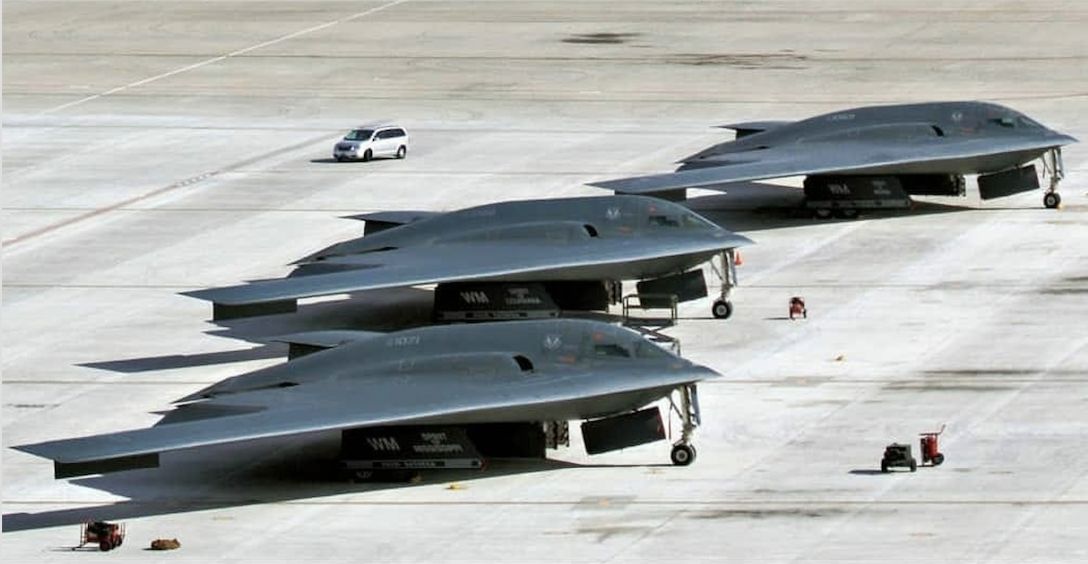
B-2 Spirit Stealth Bombers
The U.S. Air Force currently fields the largest fleet of heavy bombers in the world, with approximately 150 bombers in service compared to Russia’s fleet of around 145 and China’s of little over 120. With Russia and China both planning new strategic bombers, the former the Tu-160M2 and PAK-DA and the latter the H-20, and heavily modernising older designs such as the H-6K and Tu-22M, the U.S. bomber fleet is increasingly finding itself at risk of being qualitatively outmatched by its rivals. This is compounded by a considerable quantitative disadvantage which the U.S. Air Force is expected to face in the event of conflict against both powers - an increasingly likely prospect in light of fast growing Sino-Russian defence cooperation. A combination of U.S. allies’ inability - if not unwillingness - to invest in high end bomber capabilities, growing competition with near peer military powers with fast improving bomber fleets of their own, and the growing age of the existing B-2 and B-1B fleets - which are both set to be retired in the near future, are likely to necessitate significant orders for a large number of new bombers to replace them. This is set to have significant implications for the current B-21 Raider stealth bomber program - the most ambitious of its kind in U.S. history (with the possible exception of the B-70 Valkyrie) - which may well be manufactured on a far larger scale than initially anticipated.
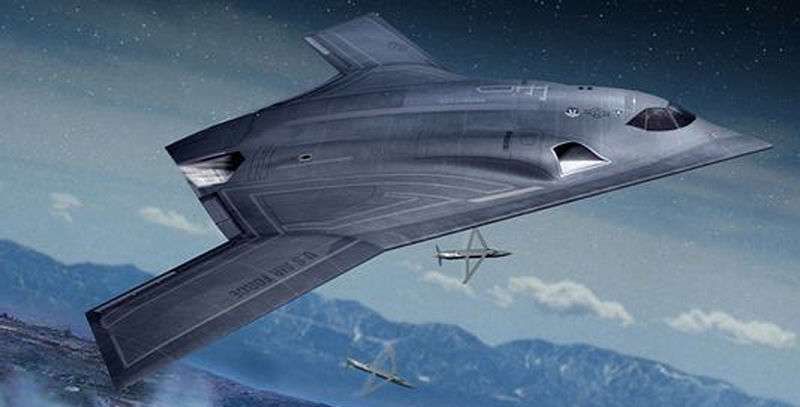
While officials reported they expected an order of 80-100 B-21 bombers when the Pentagon initially commissioned the Raider from defence contractor Northrop Grumman in October 2015, for a relatively low overall cost of around $20 billion, this estimate has risen considerable since. The Air Force’s 2017 budget request saw the minimum number of new bombers had grown to one hundred amid an growing arms race with Russia and China and escalating tensions with an increasingly well defended North Korea. The budget document stated: “We require a fleet size that will ensure sustained dominance well into this century and intend to procure a minimum of 100 B-21s… Procuring at least 100 B-21s will also reduce lifecycle ownership costs. Further, we are continuing to study the right size of the total future bomber force.” The planned size of the B-21 order grew further the following year with the Air Force planning the addition of five new bomber squadrons to its existing nine - which would necessitate B-21 orders sufficient not only to replace over 80 retired B-2 and B-1B bombers, but approximately 85 more to make up an additional five squadrons. the Congressional Research Service reported in October 2018 regarding these expansion plans: “Although the goal was not accompanied by specific procurement plans, observers note that would likely necessitate 75 additional bombers, with only the B-21 then in production.”
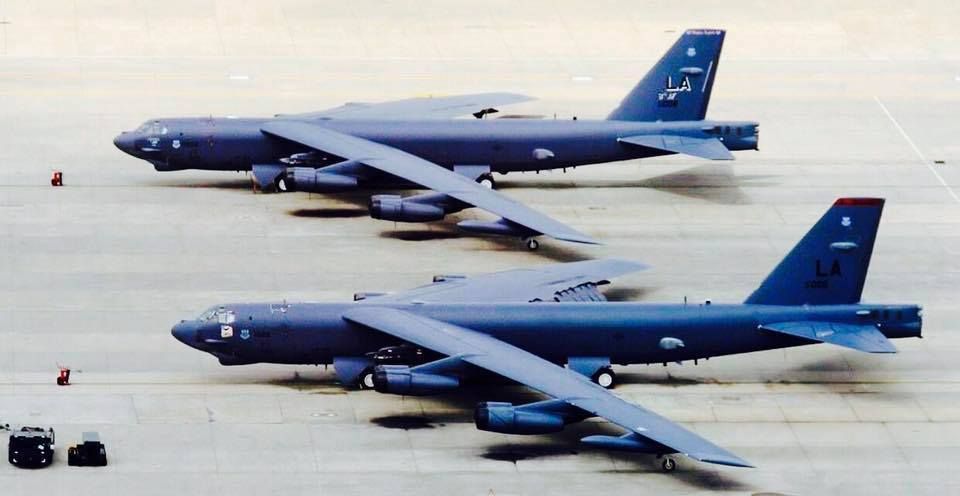
Planned orders for the B-21 could increase further should part of the B-52H fleet be retired, though the unique capabilities of this low cost and low maintenance platform means that replacement of a significant portion of the fleet with the Raider is unlikely. The Congressional Research Service nevertheless reported that maintaining the full number of B-52H bombers in service could pose a significant challenge, “particularly as the B-52s are already scheduled to remain in service for 80 years, an unprecedented service life for a combat aircraft… Quite apart from the B-52’s suitability to operate in evolving air-defence environments, the challenges of maintaining and operating an 80-year-old aircraft in regular service are unknown.” Should even half of the B-52H fleet be retired, it would require an order of well over 200 B-21 bombers to satisfy the Air Force’s requirements. Indeed, the Washington, D.C.-based Centre for Strategic and Budgetary Assessments has advised acquisition of 288 B-21 bombers and alongside the retention of the full B-52H fleet. To put the size of this order in perspective, only 20 B-2 Spirit stealth bombers were ever built (with 21 in service due to the conversion of one prototype) while the cheaper B-1B saw 100 leave production lines including prototypes - which would make the B-21 by far the most manufactured Western bomber since before the Vietnam War, when the last production lines for the B-52 closed in 1962.
A reduced operational and acquisition cost of the B-21 relative to previous bombers will likely be extremely difficult to achieve and goes strongly against the trend of modern combat aircraft, with each successive generation usually procured in smaller numbers than its predecessors due to the growing cost of increasingly complex systems. Taking high end American twin engine fighter jets as an example, 5,200 third generation F-4 Phantoms were built, compared to just 2000 of the fourth generation F-15 Eagle and just 187 fifth generation F-22 Raptors - due largely to the growing maintenance and manufacturing costs (Augustine's 16th Law). Should the B-21 program realistically aim to reach 200 ore more aircraft in service, it will not only need to be manufactured at a fraction of the cost of its predecessor the B-2 ($2 billion per aircraft), but will also need to seriously cut down on the maintenance and overall operational costs of the B-2 and the B-1B - both of which are high and make operating a large fleet costly. If the B-21 program succeeds in producing an effective low maintenance bomber, it may well become the most widely deployed heavy bomber in over 60 years.
