
First Flight of Russia’s Deadly Tu-22M3M Bomber; A Look at the New Combat Jet’s Lethal Capabilities
Military Watch Magazine Editorial Staff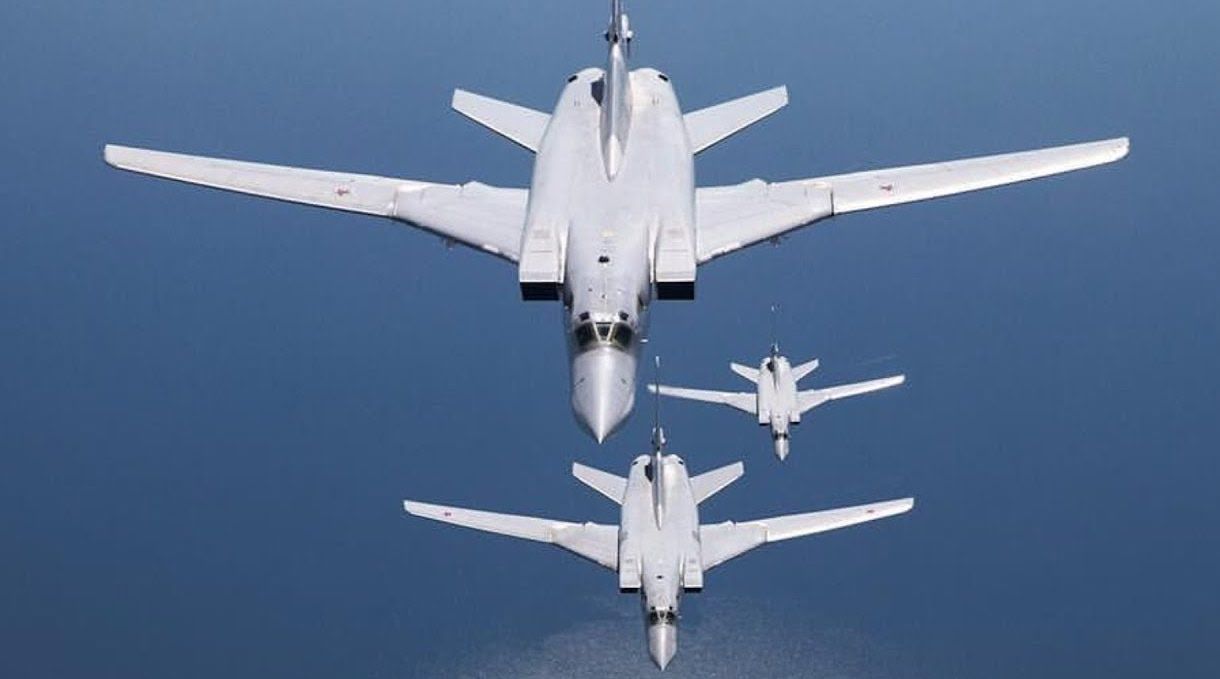
Russian Air Force Tu-22M Swept Wing Bombers
The Tu-22M Backfire first entered service in the Soviet military in 1972 as a lighter complement to intercontinental range platforms such as the Tu-95, and almost five hundred of the supersonic platforms were manufactured until 1997. 63 of the bombers remain in active service in the Russian Air Force today, with the majority of aircraft which served in the Soviet Air Force in storage due to the considerable cost of maintaining a fleet several hundred strong. Approximately 90 bombers were inherited by the Ukrainian armed forces following the Soviet Union’s dissolution, and Kiev was reportedly considering selling these aircraft on to China’s People’s Liberation Army alongside the heavier Tu-160 where its technologies were set to be studied and used to expand the East Asian state’s own bomber fleet. These plans were thwarted by Western intervention, with the United States and its European allies eager to keep such technologies out of Chinese hands and employing both political pressure and economic incentives to ensure Ukraine scrapped its advanced bombers. While Russia today fields fields a relatively small bomber fleet, the Air Force has investing heavily in modernising those aircraft which remain in frontline service to provide them with cutting edge capabilities which can at least partially compensate for their scarcity.
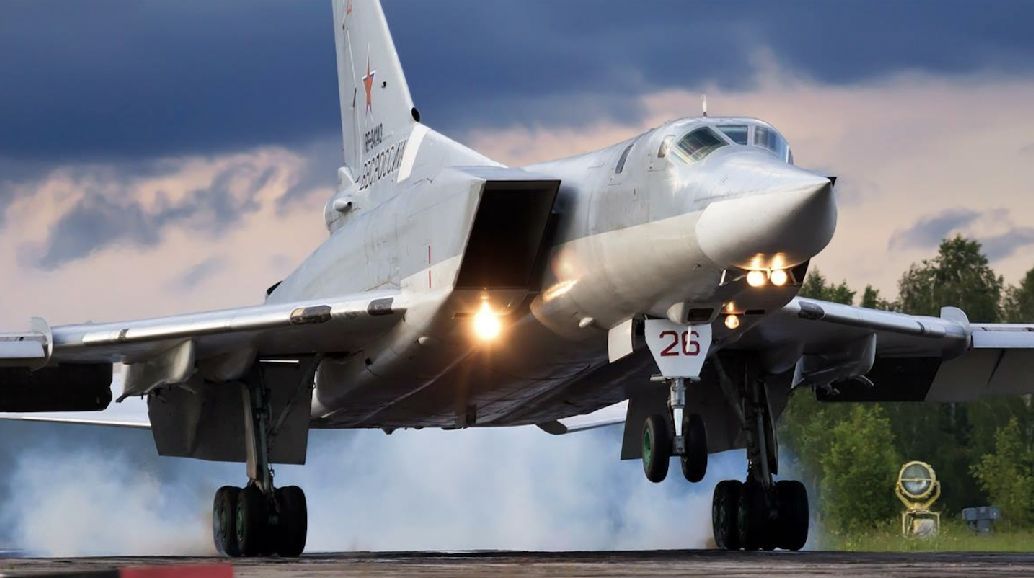
Tu-22M Swept Wing Bomber
The latest iteration of the Tu-22M, the Tu-22M3M variant retains capabilities well above and beyond those of rival platforms. The aircraft was developed in parallel to the Tu-160M2 and the modernisation of Tu-95 ‘Bear’ heavy bombers to deploy advanced new standoff munitions - part of a comprehensive effort to modernise the Russian bomber fleet. This itself was accompanied by the induction of a new Russian strike fighter, the Su-34, an aircraft type which has been compared to a light tactical bomber and can deploy an ever growing arsenal of munition types.
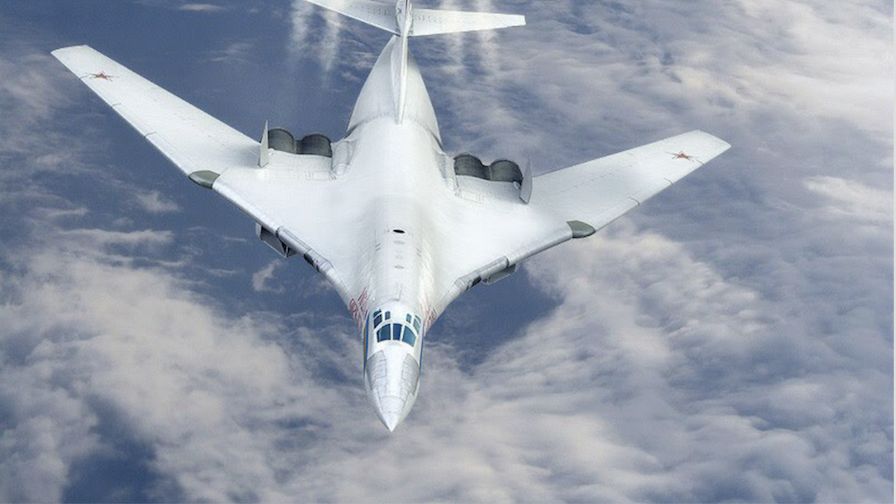
Tu-160M Heavy Bomber
The Tu-22M3M variant builds on the already advanced capabilities of the Tu-22M3, which was developed with new engines, new swept wings a more capable radar and a resulting considerably greater maximum speed. The M3M variant will deploy powerful NK-32-02, the very same as those deployed by the Tu-160M2, and will see 80 percent of its avionics either upgraded or replaced entirely. Among the new systems it will receive are SVP-24-22 bombsights, a GLONASS navigation system, a modern digital glass cockpit, and an NV-45 phased array radar. The service life of the bombers will also be extended significantly to approximately 45 years, and the aircraft will receive new electronic warfare systems.
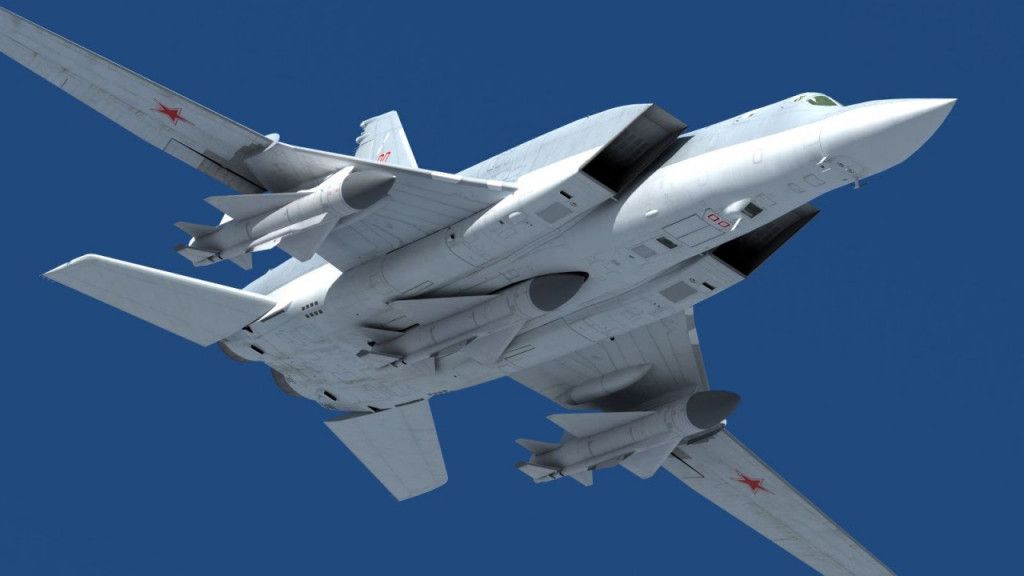
Tu-22M Swept Wing Bomber
Perhaps most critically of all, the Tu-22M3M will gain the ability to deploy precision strike munitions, and can be equipped with the new Kh-47M2 Kinzhal hypersonic ballistic missile. These munitions were announced in March 2018 and began to enter service carried by modified MiG-31 interceptors. The Tu-22M3M will be able to deploy up to four of these lethal munitions, which retain a range of 2000km and are estimated to strike targets at up speeds of up to Mach 10. The missiles’ high accuracy and manoeuvrability makes them ideal ship hunters, and the Kinzhal is capable of disabling any known surface warships including 100,000 tone aircraft carriers with a single strike. The missiles can be equipped with nuclear warheads, and are equally capable in a standoff air to ground role. The aircraft are also capable of firing new Kh-32 cruise missiles, and their wide array of armaments makes them highly versatile - with another munition, the Kh-102, capable of delivering highly precise tactical nuclear strikes against targets over 3000km away. While Russia has yet to export the Tu-22M, the capabilities of the latest variant could lead to renewed interest from potential clients such as India and Iran - with the country retaining several airframes in storage which could potentially be upgraded to the M3M standard.
