
Stealthier and More Dangerous than the B-2: U.S. Air Force Reveals What its New B-21 Stealth Bomber Will Look Like
Military Watch Magazine Editorial Staff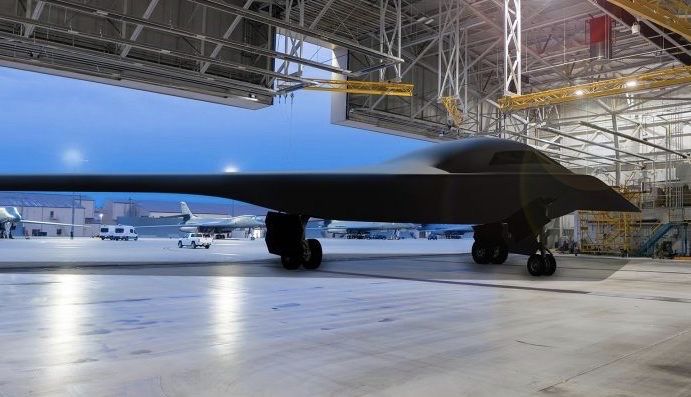
B-21 Raider Stealth Bomber - Official Concept Art
The U.S. Air Force has released the first official artist’s concept of the highly classified B-21 Raider next generation stealth program - the design of which has been speculated ever since the program was announced in September 2016. The new bomber is intended to boast state of the art radar evading capabilities and sensors and retain an intercontinental range, with easier maintenance and lower operational costs than the Air Force’s older B-2 Spirit stealth bombers. Over 200 B-21 bombers are planned, which will make it the most widely fielded intercontinental range bomber in the world. The bomber will phase both the B-1B Lancer and the B-2 Spirit fleets out of service from the early 2030s, and is expected to see its first flight by 2025.
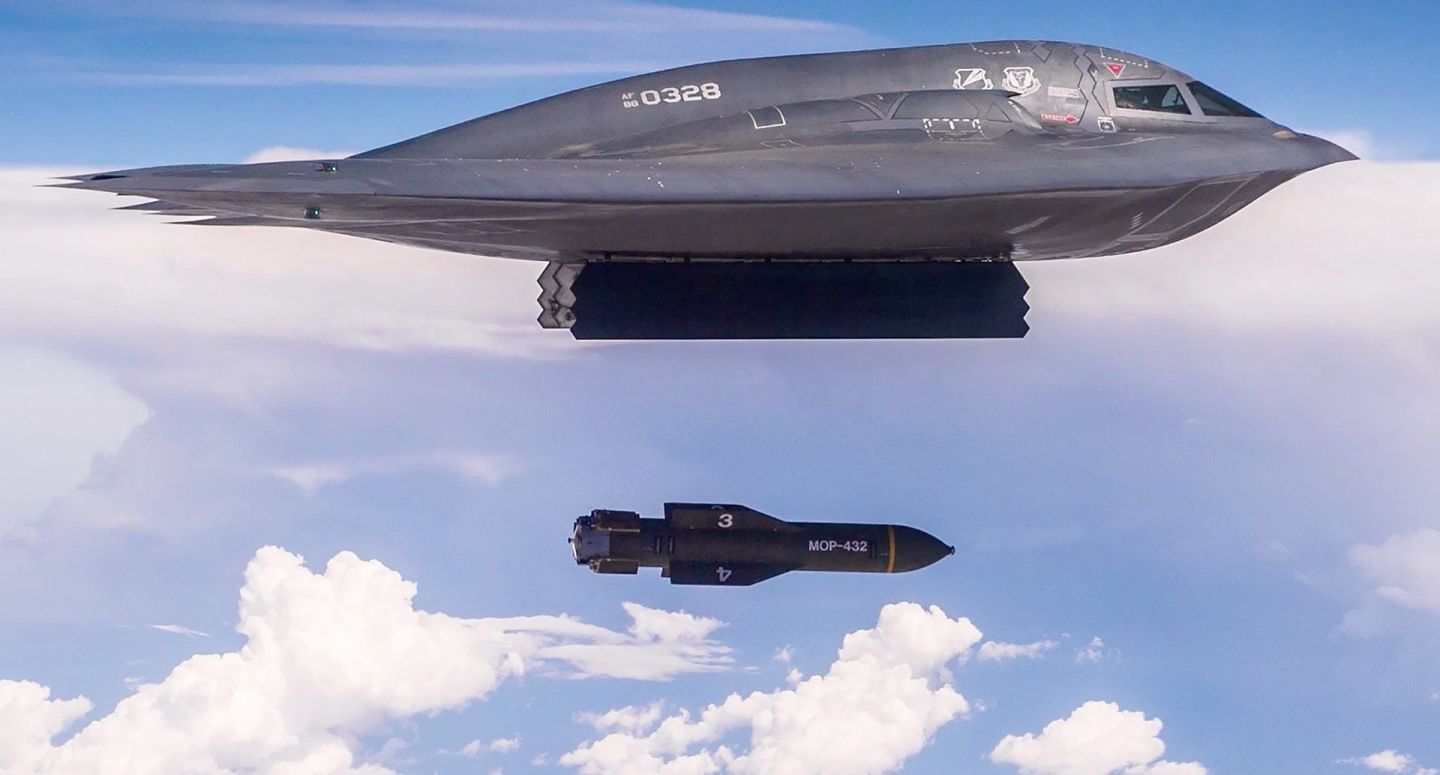
The B-21 is one of three classes of next generation intercontinental ranged stealth bombers set to see its first flight in the early-mid 2020s, alongside the Chinese H-20 - the country’s first intercontinental range bomber - and the Russian PAK DA. The H-20 is thought to be the furthest along in its development, but remains a highly secretive project - meaning no official concept artwork has yet been released. The B-21 is reportedly being tailored specifically to the requirements of penetrating advanced Chinese air defences, which currently include J-20 stealth fighters, S-400 surface to air missile batteries and a wide range of other state of the art sensor and anti aircraft systems. This is expected to become the most heavily defended airspace in the world, and the U.S. Air Force’s most challenging potential target, in the 2020s.
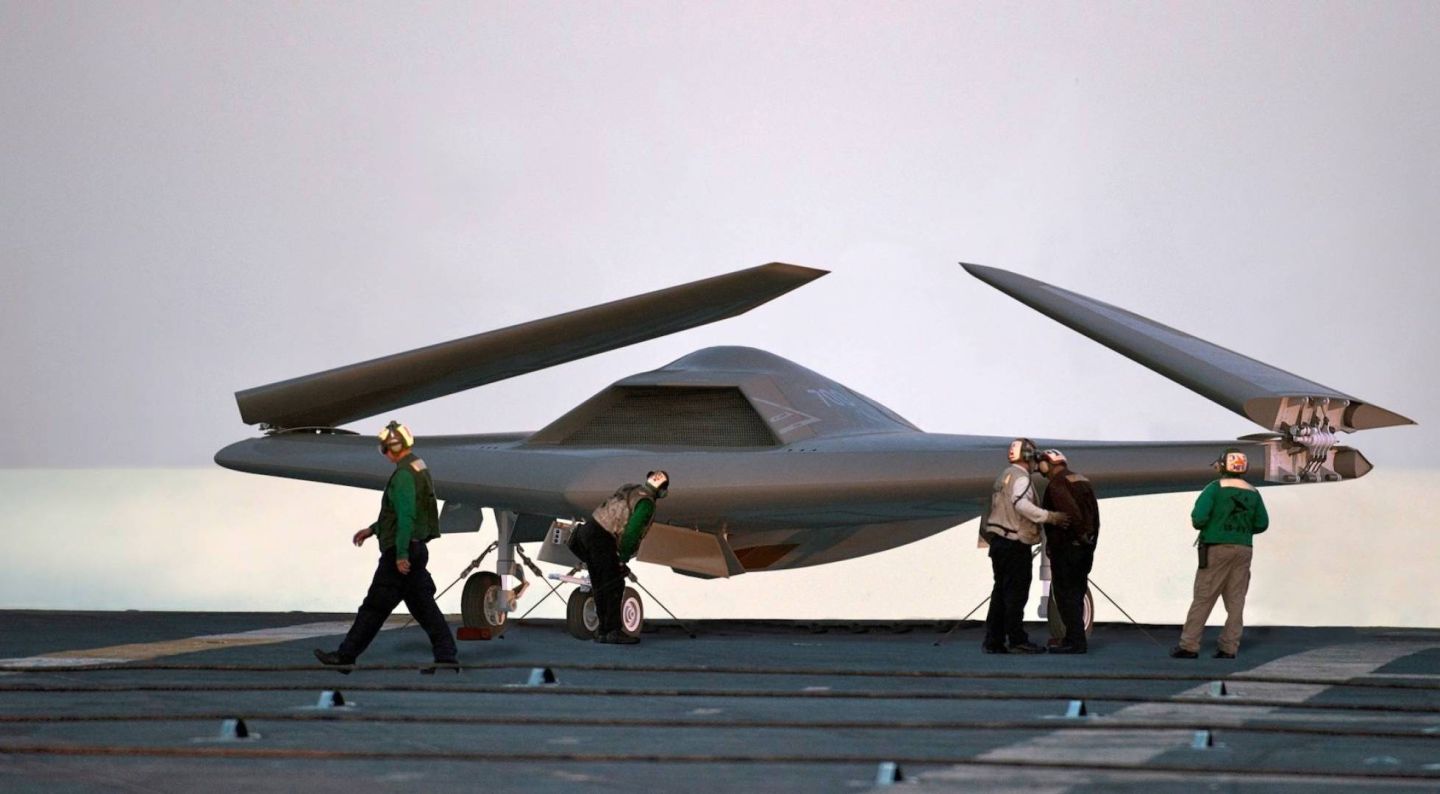
The new B-21 artwork shows a number of distinct differences from the B-2 Spirit. The new aircraft has a flat space at the nose surface for improved stealth - resembling that on more recent unmanned stealth designs such as the U.S. Navy's MQ-25 and Chinese Sharp Sword - and a cockpit windscreen which is further back. Other visible changes to the B-2’s airframe include a smaller and lighter airframe, which is expected to still achieve the same intercontinental ranges, payload and situational awareness with a more efficient design, as well as more angular landing gear and a redesigned crew compartment accessed through the nose. The bomber’s new features otherwise reflect the evolution of stealth technology since the 1990s, with the depth of its air intake tunnel appearing shallower and more blended into the airframe than that of the the B-2 while straight edge triangular openings on its air intakes will also reduce its radar cross section.
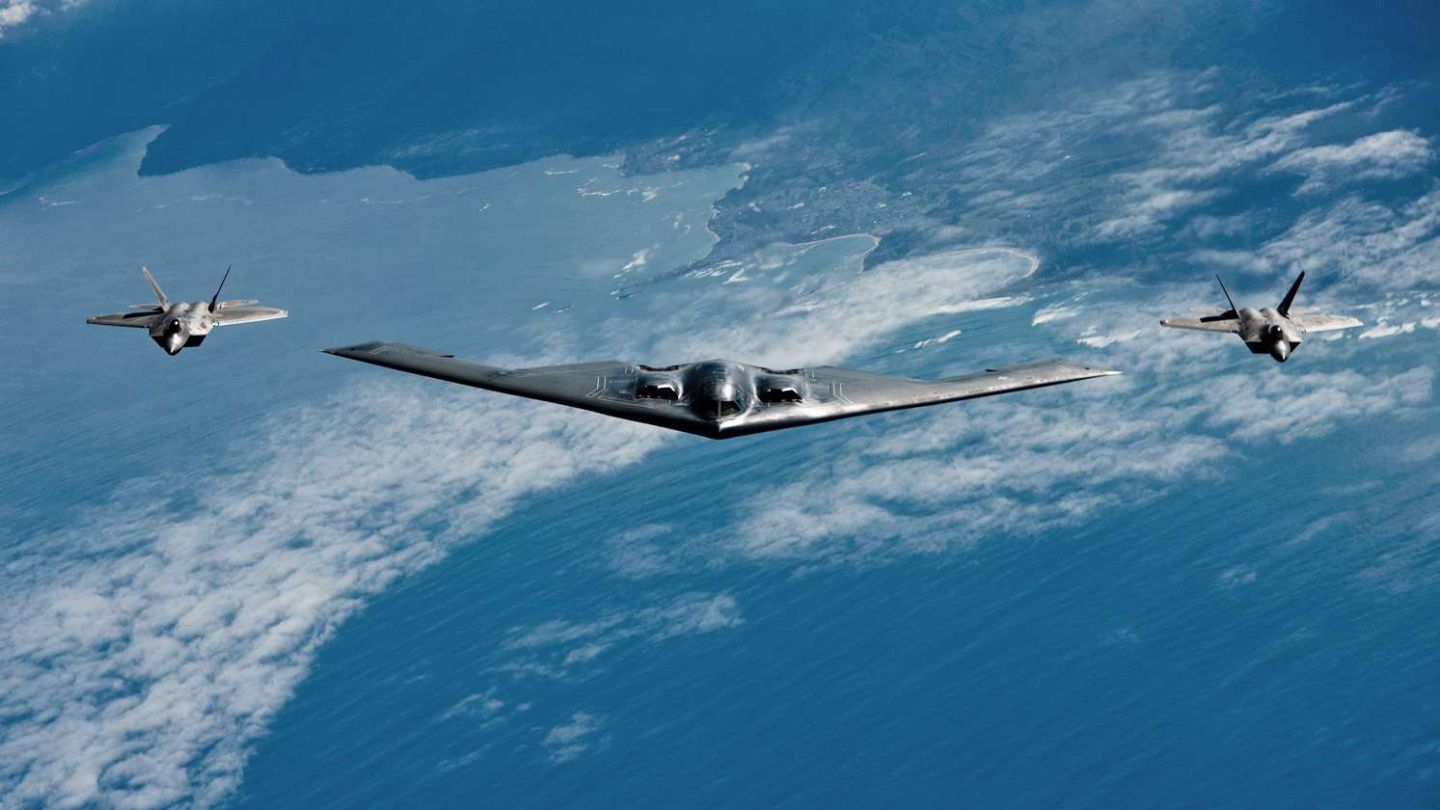
Considering that the B-2, despite its many performance issues, is currently considered the most difficult manned aircraft in the world to detect due to its advanced stealth profile - these improvements could make the B-21 a very formidable challenge for the air defences of potential adversaries. Advanced air defence systems capable of threatening stealth aircraft have widely proliferated since the late 1990s when the B-2 entered service, including the S-300PMU-2 fielded by Russia, China and Iran, the S-400 fielded by Russia and China, the North Korean KN-06, and most recently the Russian S-500 likely to be sold to China by the end of the decade - among others - meaning an upgrade over the B-2’s stealth capabilities is sorely needed.
