
Russia’s Next Generation Bomber Incoming; PAK-DA Could be in Service by 2025
Military Watch Magazine Editorial Staff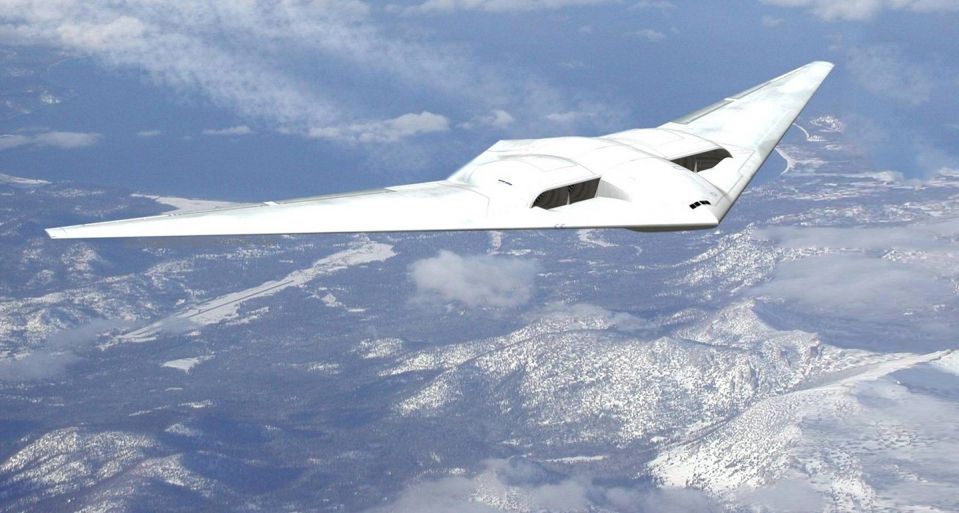
Russian PAK DA Stealth Bomber - concept art
A report from the Tupolev Aircraft Company has stated that Russia’s PAK DA next generation heavy bomber will undergo drills at the Flight Test and Development Center in the town of Zhukovsky near Moscow. At a meeting marking the 70th anniversary of the opening of the Zhukovsky Test Flight and Development Center, Tupolev CEO Alexander Konyukhov stated "There are big plans ahead for testing and further developing the heavily upgraded Tu-22M3M, Tu-160 and Tu-95MS aircraft along with large-scale work for testing the prospective complex of long-range aviation [PAK DA].” According to Konyukhov, development is expected to take 5-7 more years. Russia currently fields three classes of bomber, all designed by the Tupolev design bureau under the Soviet Union, which include Tu-22M, Tu-95 and Tu-160. Plans for a new heavy bomber, and for expansion of the Tu-160 fleet, were stalled considerably due to the Soviet collapse, and began to accelerate only in the late 2010s. Russia’s aviation industry has instead focused heavily on modernising existing bomber designs - equipping bombers with more advanced electronic warfare systems and sensors and vastly improved weapons systems such as the new Kh-101 and Kh-102 standoff cruise missiles.
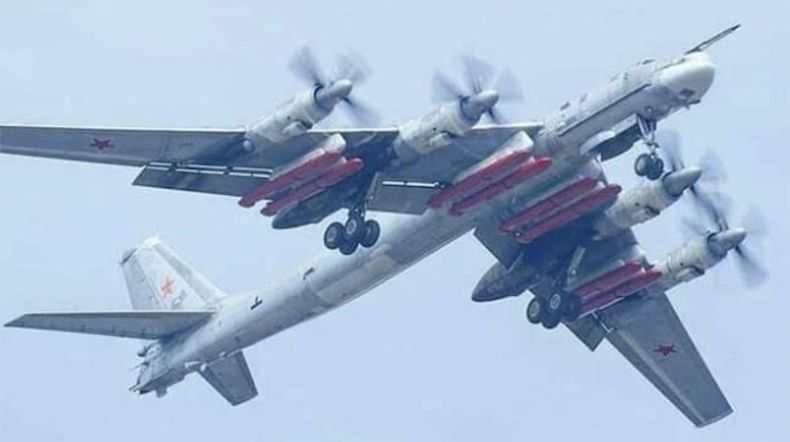
While awaiting the development of a new heavy bomber, Russia in 2018 restarted manufacture of the Tu-160 heavy bomber with the intention of expanding the fleet by several dozen bombers. Tu-22M airframes were also given significant life extensions and a program to upgrade a large portion of the fleet to the advanced Tu-22M3M standard has been initiated. While the Tu-160M2 is considered by a considerable margin to be the most capable bombers in the world, far surpassing the capabilities of its older American and Chinese counterparts, the induction of new U.S. and Chinese platforms in the mid 2020s could potentially provide these powers with an advantage. The American Northrop Grumman B-21 Raider and Chinese Xian H-20 bombers are both expected to enter service in the early-mid 2020s, and integrate next generation technologies not seen on current bomber designs. Thus the PAK DA program may well be vital to ensuring a continuing advantage for the Russian fleet.
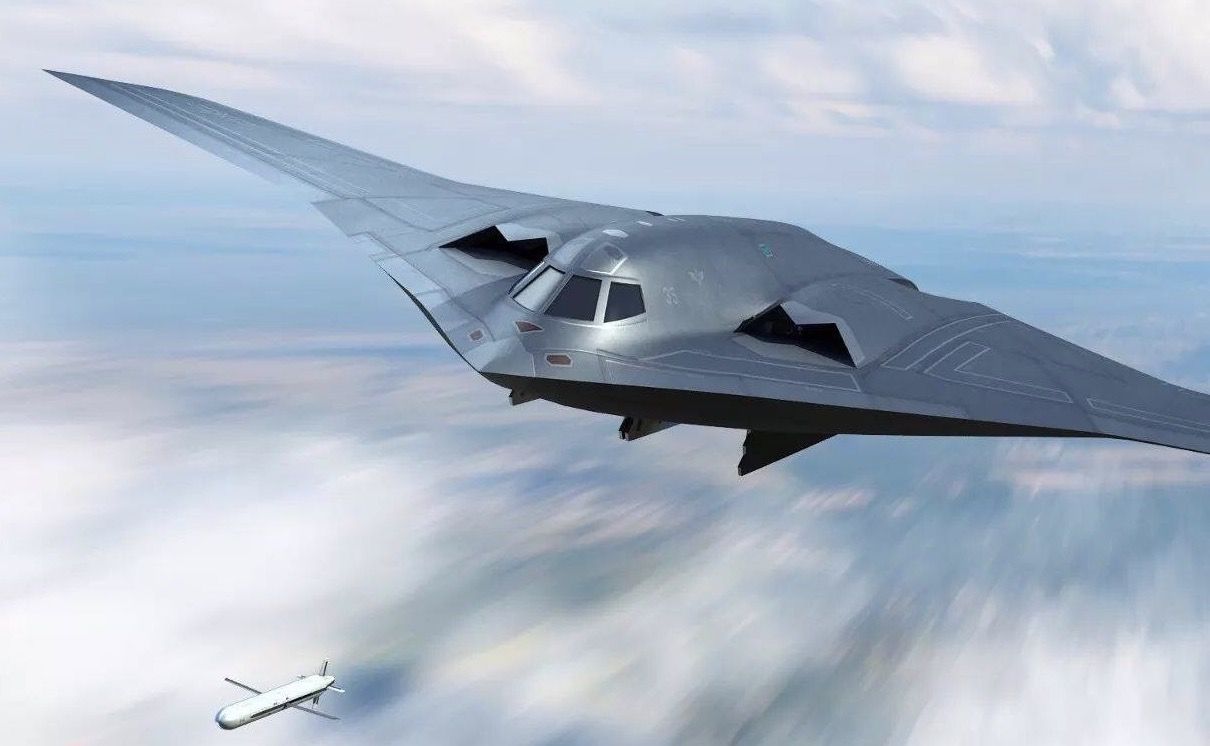
The capabilities of the PAK DA and the types of technologies it will integrate remain unconfirmed, but considering Russia's technological strengths, trends in the country's military aviation and global trends in the development of strategic bombers this can be speculated. While the Tu-160 notably makes use of a fuselage designed to minimise its radar cross section, the PAK DA is highly likely to place a heavier emphasis on stealth - though perhaps less so than its Chinese and American counterparts. While the Tu-160M2 currently relies on long range Kh-101 and Kh-102 cruise missiles, which have an estimated range of between 3000km and 5500km, the PAK DA is likely to deploy more advanced hypersonic munitions. These may well be ballistic rather than cruise missile platforms, with Russian MiG-31K and Tu-22M aircraft in 2018 equipped with Kh-47M2 hypersonic ballistic missiles with 2000km ranges. These Mach 10 missiles were considered highly capable for nuclear delivery, air defence penetration and long range ship hunting. Similar technologies are likely to be integrated onto whatever standoff munitions the PAK DA is equipped with, and a direct derivative of the Kh-47M2 modified for internal carriage may even be used. The PAK DA is also expected to deploy a sophisticated radar system based on that of the Su-57 fighter, which could potentially include rear and cheek mounted radars.
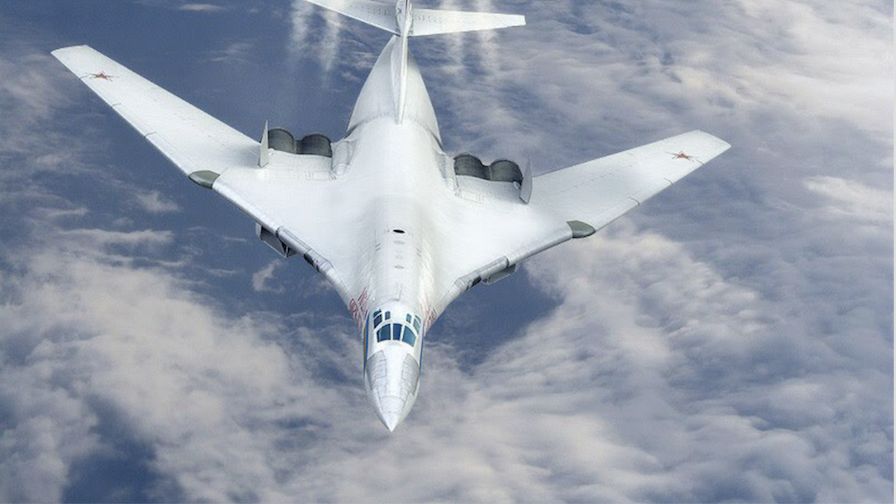
Whether Russia will be able to meet production schedules for the PAK DA remains questionable, with recent cuts to the defence budget stretching restricting funding for such ambitious military aviation programs. The advanced capabilities of the Tu-160M2, and the possibility of enhancing the design through development of more advanced munitions at a relatively low cost, could mean that the new bomber will not be a priority. With the U.S. planning the deployment of sixth generation fighters and hypersonic space planes in the near future, Russia is likely to prioritise its own sixth generation combat aircraft - the MiG-41 interceptor and enhanced variants of the Su-57 with sixth generation capabilities. New long range air defence systems with capabilities to engage satellites and space planes at hypersonic speeds, and to detect and neutralise enemy bombers at extreme distances, also provide more cost effective means of countering the development of new bombers by Russian adversaries. Should the PAK DA enter service in the mid 2020s as predicted, it is likely to do so in very small numbers much as the B-2 Spirit did in the United States and the Tu-160 did in the Soviet Union - at least in the initial years until older designs begin to be phased out of service.
