
Russia’s New S-500 Hypersonic Missile System Could Break Western Air Power; Expanded A2AD Zone a Significant Game Changer in Europe
Military Watch Magazine Editorial Staff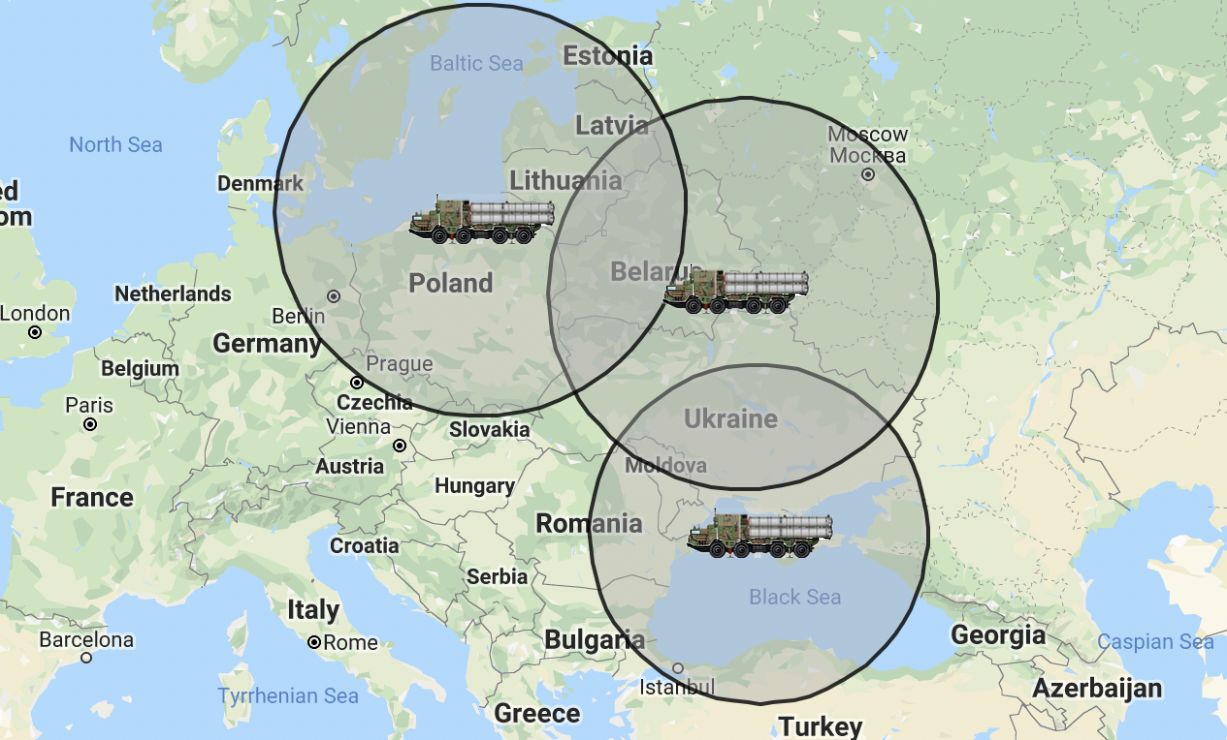
Expected Coverage of Russian S-500 Missile Systems From Kaliningrad, Central Province and Crimea
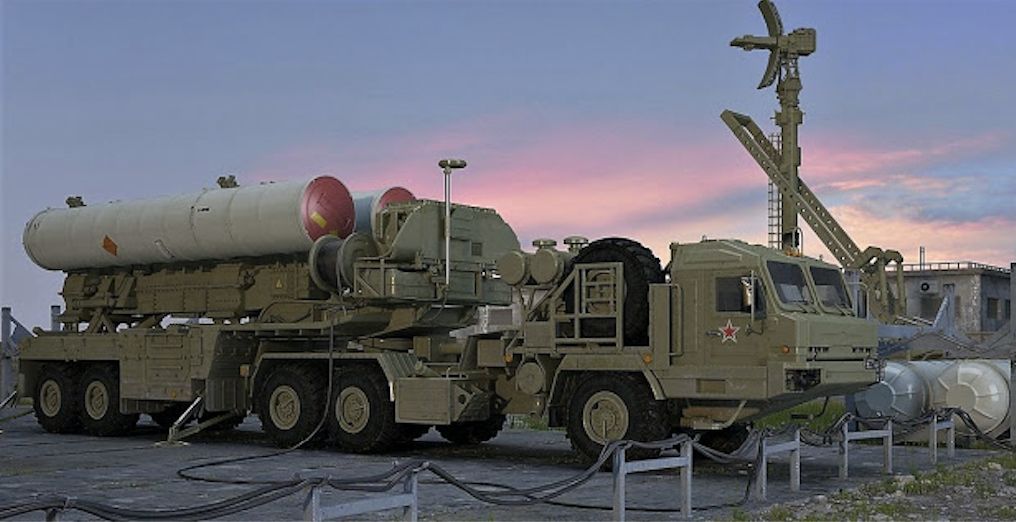
With Russia’s induction of the S-500 long range surface to air missile system imminent, relatively little attention has been paid to the impact the platform could have on the balance of power in the skies over Europe if deployed to forward positions and the extent to which it will complicate aerial operations for the Western Bloc. The S-500 is designed with three primary tasks - the neutralising of satellites and space aircraft outside the atmosphere, the interception of ballistic missiles, and the destruction of high value enemy military aircraft. It is in this third role in particular, which will see the S-500 engage targets at lower altitudes within the atmosphere, where the missile system is set to prove a game changer against the air units of its potential adversaries. The new Russian missile system will reportedly be able to track heavy high value enemy aircraft at ranges of up to 800km, and can engage targets at ranges of up to 600km and at high hypersonic speeds of at least Mach 14. When deployed to the European theatre, this will be a major game changer for the ability of the Western Bloc to carry out air operations in the theatre.
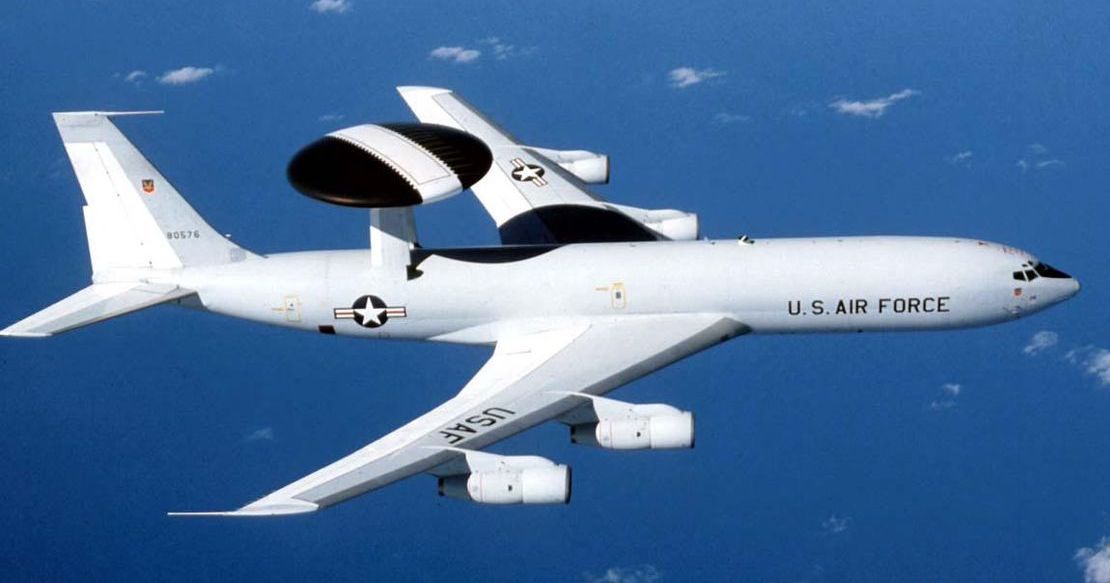
High value Western support aircraft which the S-500 is designed to engage are critical to the NATO alliance’s ability to wage war in the air. One critical type of support aircraft are AWACS platforms such as the E-3 Sentry, E-2 Hawkeye and the E-7A Wedgetail, which mount powerful radars and are tasked with coordinating air attacks by NATO fighter and bomber squadrons. The E-3 Sentry in particular is considered the most advanced AWACS platform in the world, and provides American and allied air units with a significant advantage in engagements with hostile fighters and interceptors. The ability to deny these aircraft the ability to operate over much fo European territory will shift the balance of power in the air significantly in Russia’s favour - particularly as the Russian Air Force itself will be able to rely on support from its own A-50 and A-100 AWACS platforms which will not be similarly threatened.
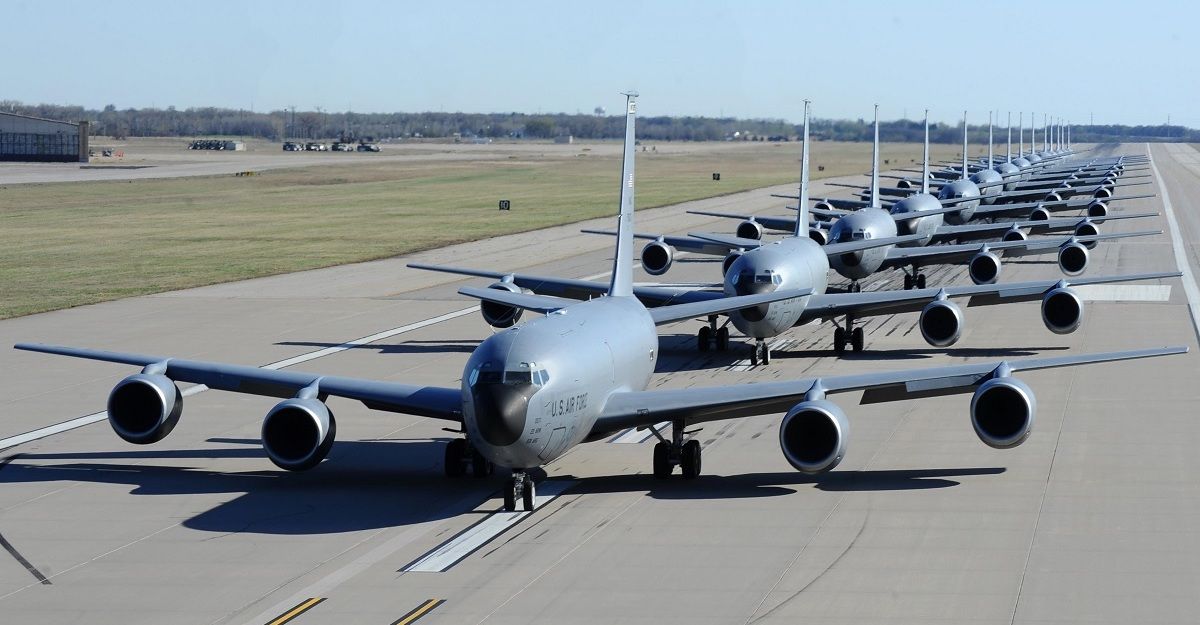
Other classes of Western aircraft particularly threatened by the S-500’s deployment include command and control and surveillance platforms such as the E-8 Joint STARS, E-9 Widget and E-4 Nightwatch, reconnaissance and observation platforms such as the OC-135 and RC-135 and electronic warfare platforms such as the EC-130 Commando - all costly high value targets fielded in small numbers which rely on fighter escorts and operating far from threats to remain survivable. Tanker aircraft such as the KC-10 and KC-135 responsible for aerial refuelling of combat jets will also be seriously threatened - and considering that the bulk of the Western Bloc’s combat fleets are comprised of short and medium ranged platforms such as the F-16, F-18E, Gripen, Rafale, and F-35 this will seriously limit the alliance’s strike range. The ability to deny heavy transports such as the C-130 access to much of Europe will also cause major logistical issues which will seriously undermine a Western war effort. While these aircraft are themselves of far lower value than the aforementioned support aircraft and are deployed in far greater numbers, their carriage of high end weapons systems and dozens of soldiers makes them far from expendable.
Deployed to Kaliningrad, Crimea and the far west of Russia’s Central Province near Brayansk, the S-500 will maintain coverage over much of Europe including the entire Baltic Sea. E-3 Sentry aircraft for example, flying over Berlin or a little north of Prague, will be well within range of Russian missile systems systems in Kaliningrad. The whole of Poland including new American military bases there will also be covered, as will the entire east coast of the Black Sea including Bucharest and Istanbul. The S-500 thus retains the potential to provide Russia with a significant aerial warfare advantage over much of Europe, and the high mobility of thee systems means that they can potentially be redeployed should Russian ground forces take to the offensive and take ground - extending their reach further westwards. The S-500’s deployment thus poses a very significant threat to NATO's freedom of operations in the European theatre in the event of war, and serves to complement the strength of Russia’s existing deterrent assets. The platform will be supported in its ‘AWACS hunter’ role by other shorter ranged hypersonic systems including the R-37 air to air missiles with a 400km range - deployed by the Su-57 fighters and MiG-31 interceptors, and the 40N6E surface to air missiles deployed by the S-400 and S-300V4 systems which also retain a 400km range.
