
Lancers Can’t Fly; Under 15% of U.S. B-1B Bombers Are Airworthy
Military Watch Magazine Editorial Staff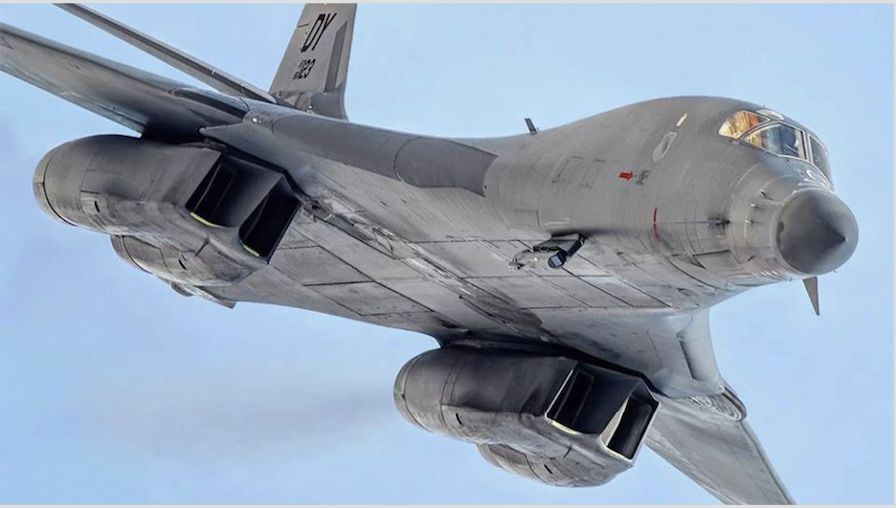
U.S. Air Force B-1B Lancer Heavy Bomber
The U.S. Air Force’s B-1B Lancer heavy bomber fleet is reportedly in a state of serous disrepair, according to a recent assessment by the House Armed Services Seapower and Projection Forces Subcommittee, with under 15% of its fleet of over 60 bombers currently mission capable. Issues with combat readiness among the B-1B fleet have drawn the overall long-range strike capability of the U.S. Air Force "at increased risk," with a considerable number of structural problems emerging as a result of the aircraft’s complexity and considerable age. The bombers first entered service in 1986, and until the entry into service of the B-2 Spirit were the most complex and difficult bombers to maintain. The House Armed Services Committee stated regarding the state of the Lancer fleet: "The committee is concerned B-1 readiness does not have the priority and resources to improve B-1 mission-capable rates… This is evidenced by fully mission-capable aircraft currently in single digits and aircrew being rerouted from flying the B-1 to other aircraft due to lack of B-1 aircraft for training." A prominent issue suffered by the Lancers has been malfunctioning ejection seats — for which the jets were been grounded twice in the last year. One bomber also saw a fire break out on its wing a few months prior.
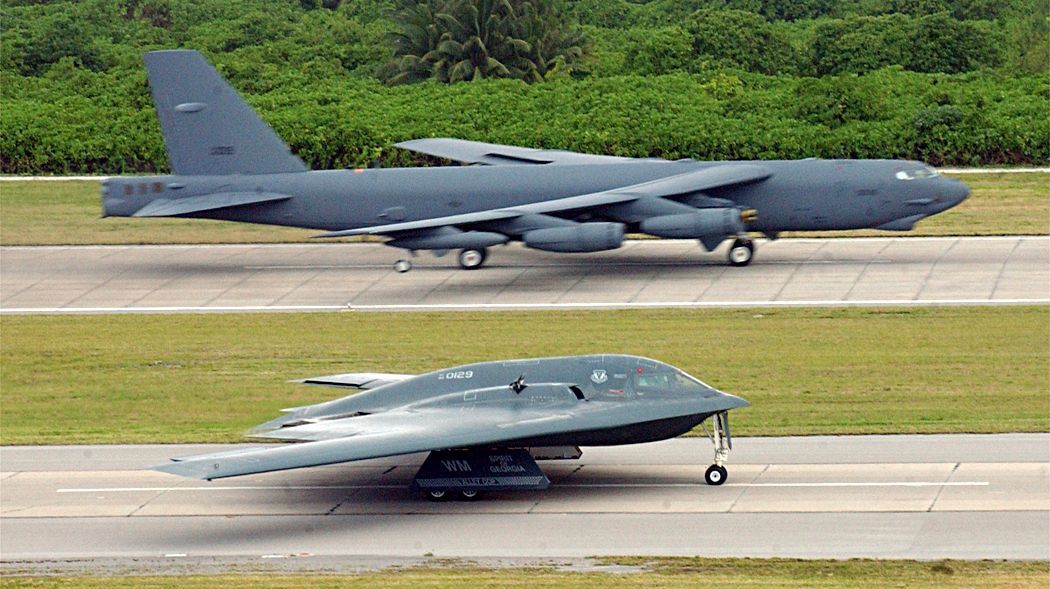
The U.S. Air Force announced plans to retire the B-1B in February 2018 alongside the B-2 Spirit, with the service intending to continue operating the B-52H Stratofortress through the 2030s. While older than both the B-1B and the B-2, the Superfortress' combat readiness rates have remained high due to the design’s simplicity and low maintenance requirements. The B-21 Raider heavy bomber is planned to replace both newer bombers and form additional bomber squadrons, with over 200 planned to replace around 80 B-1B and B-2 bombers in service. The success of the B-21 program will likely depend very heavy on its ability to combine advanced modern capabilities such as stealth with lower maintenance requirements - ideally comparable to those of the B-52H. The feasibility of a large and fully active bomber fleet, as existing platforms have demonstrated, is largely determined not by the acquisition cost of the aircraft but rather by how cheaply and efficiently they can be serviced and operated. While the B-1B was initially touted as a significant upgrade over the B-52H, it was considered highly vulnerable to Soviet and later Russian air defences and interceptors by the time it was combat ready with little added survivability relative to its predecessor. This combined with the lower maintenance of the B-52H and higher combat readiness rates led to the newer platform’s planned retirement while the older Stratofortress is set to remain in service for the foreseeable future.
