
S-400 in the Arctic: Hypersonic Missile System to Create ‘Air Defence Dome’ Over Russian-Claimed Territories
Military Watch Magazine Editorial Staff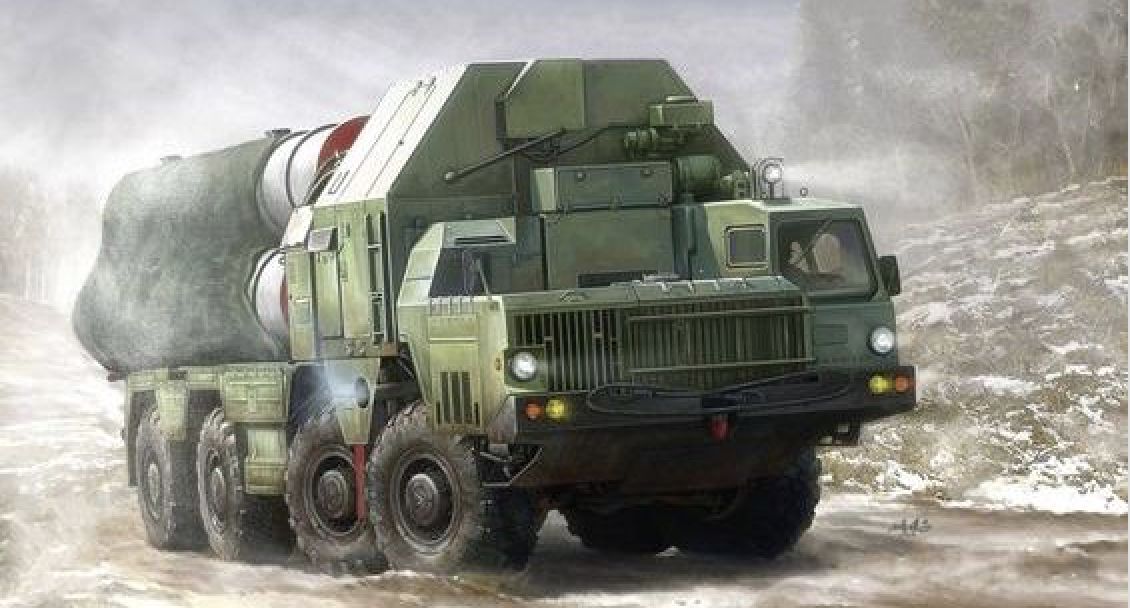
S-400 Surface to Air Missile Battery - artwork
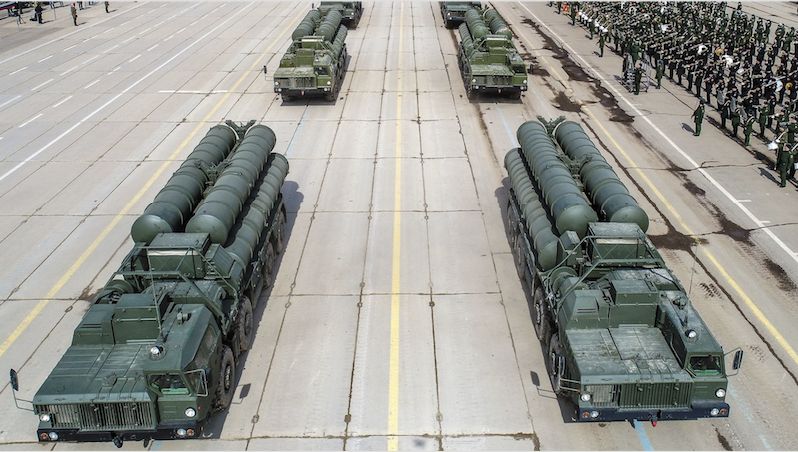
Russia’s Northern Fleet has announced plans to equip all its battalions with S-400 surface to air missile batteries - a long range hypersonic surface to air missile platform which has been in mass production since 2007. Fleet Commander Vice Admiral Alexander Moiseyev stated regarding these plans: “This year, S-400 systems will enter service with the air defence missile regiment stationed on Novaya Zemlya. There are plans to arm all our Arctic battalions with these systems in coming years and thus create an air defence dome over the Russian Arctic… In the future, we are planning to build up the air defence capabilities of Russia’s northern frontiers.” The Vice Admiral further stated that new air defence units were on experimental combat duty to protect the airspace over the Northern Sea Route, and stressed that once all planned S-400 batteries were deployed Russian forces in then Arctic would be protected from all manner of possible enemy air attacks - “be it aviation, cruise or ballistic missiles.”
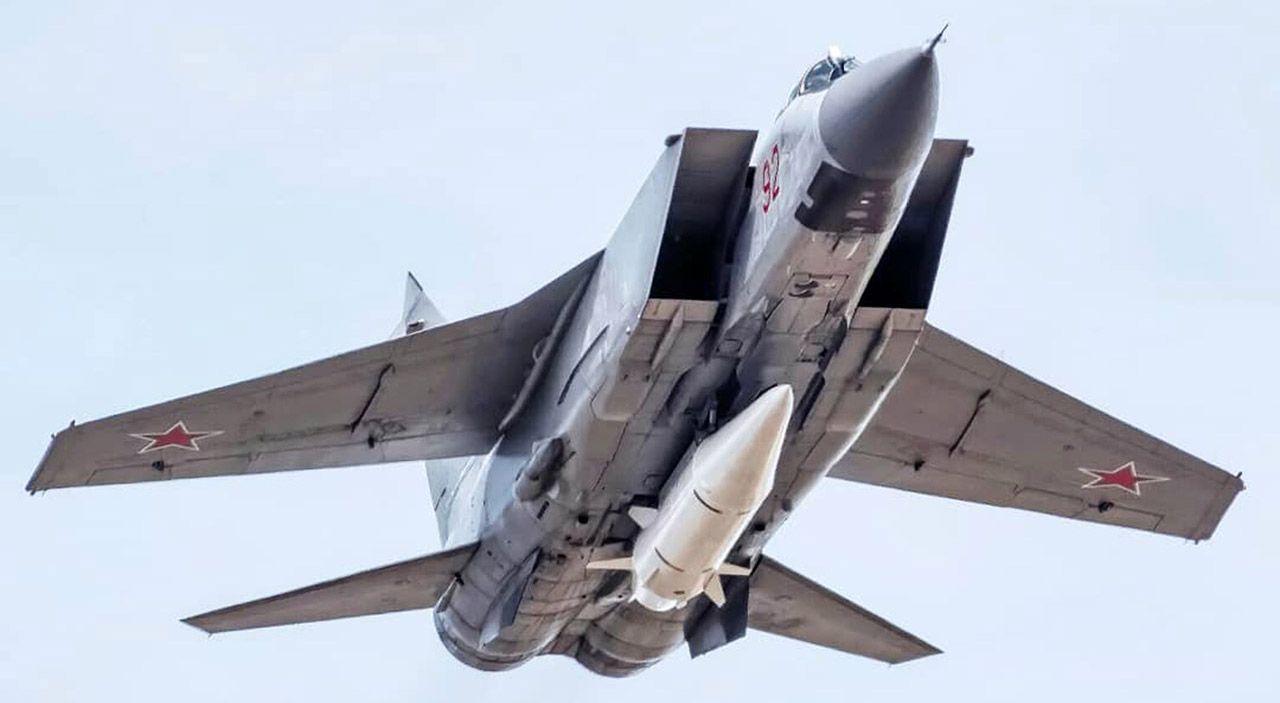
The S-400 is the latest of many high end Russian systems which have recently been deployed to the Arctic, and the announcement of plans for large scale deployments to the region follows a prolific test of the Kh-47M2 Kinzhal hypersonic ballistic missile by the Russian Air Force. It also follows the induction of new short ranged air defence systems such as the Tor-M2DT and Patsir-SA which were designed specifically for Arctic warfare, as well as resumed patrols by MiG-31 Foxhound heavyweight interceptors - some of the most capable combat jets in the Russian fleet. A specialised new variant of the Foxhound, the MiG-31K, is used as a launch platform for the Kinzhal, and operating from bases in Northern Russia it is capable of engaging targets across much of the Arctic using the standoff missile. New airfields have also reportedly begun construction to deploy aircraft, possibly including combat jets, further north. The collapse of the INF treaty following the United States’ withdrawal is also expected to lead to deployments of advanced ground based intermediate ranged hypersonic missiles systems by Russia to further strengthen its position in the Arctic.
The S-400 itself is prized for many of its features including its advanced Cold Launch system, its extremely rapid response time, its excellent situational awareness, its unrivalled 400km engagement range and its ability to engage up to 80 targets simultaneously - among others. The system was designed to engage radar evading targets such as B-2 Spirit bombers, and can engage targets at altitudes as low as five meters even near the limits of its range - an entirely unique capability. It remains uncertain whether adjustments will need to be made to the platform’s design, as they were made to the Tor and Pantsir short ranged systems, to optimise it far warfare at such extreme temperatures.
